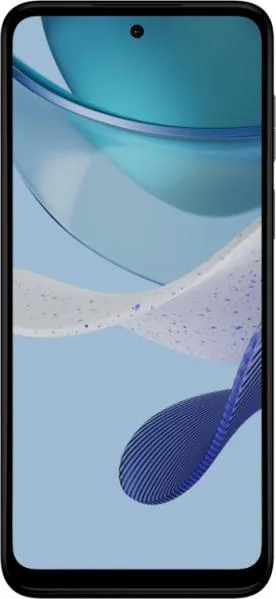

1. Specifications Comparison
| Feature | Motorola Moto G (2023) | Realme 12+ | Practical Impact |
|---|---|---|---|
| Design | |||
| Dimensions (mm) | 164 x 75 x 8.4 | 163 x 75.5 x 7.9 | Realme 12+ is slightly thinner and potentially more pocketable. |
| Weight (g) | 189 | 190 | Negligible weight difference. |
| Build Material | Not specified | Not specified | Cannot compare build quality and durability. |
| Display | |||
| Display Type | IPS LCD | AMOLED | Realme 12+ offers deeper blacks, more vibrant colors, and better power efficiency due to AMOLED technology. |
| Display Size (inches) | 6.5 | 6.67 | Realme 12+ provides a slightly larger viewing area. |
| Resolution | 720 x 1600 | 1080 x 2400 | Realme 12+ has significantly sharper visuals due to higher resolution. |
| Refresh Rate (Hz) | 120 | 120 | Both phones offer smooth scrolling and animations. |
| Peak Brightness (nits) | Not specified | 2000 | Realme 12+ should be much more visible in direct sunlight. |
| HDR | No | HDR10+ | Realme 12+ supports HDR content for a wider dynamic range and more vivid visuals. |
| Performance | |||
| Chipset | Snapdragon 480+ 5G | Dimensity 7050 | Realme 12+ likely offers better performance and efficiency with a more modern and powerful chipset. |
| CPU | Octa-core (2x2.2 GHz & 6x1.8 GHz) | Octa-core (2x2.6 GHz & 6x2.0 GHz) | Realme 12+ has faster clock speeds, suggesting improved performance in demanding tasks. |
| RAM (GB) | 4 | 8 | Realme 12+ has double the RAM, enabling better multitasking and smoother performance. |
| Camera | |||
| Main Camera (MP) | 48 | 50 | Realme 12+ has a slightly higher resolution main sensor but sensor size and other factors are more critical for image quality. |
| Front Camera (MP) | 8 | 16 | Realme 12+ offers a much higher resolution front camera for better selfies. |
| Video Recording | 1080p@30fps | 4K@30fps | Realme 12+ can record video at a much higher resolution. |
| Optical Image Stabilization | No | Yes | Realme 12+'s OIS should result in significantly smoother videos and better low-light photos. |
| Battery | |||
| Capacity (mAh) | 5000 | 5000 | Both phones have the same battery capacity. Real-world battery life depends on optimization and usage. |
| Charging Speed | Not specified | Not specified | Cannot compare charging speeds. |
| Other | |||
| NFC | No | Yes | Realme 12+ supports contactless payments and data transfer via NFC. |
| OS | Android 13 | Android 14 | Realme 12+ ships with a newer Android version offering potential feature and security advantages, and longer software support lifespan. |
2. Key Differences Analysis
Motorola Moto G (2023) Advantages:
- Potentially lower price (based on "medium price" designation).
Realme 12+ Advantages:
- Superior Display: AMOLED with higher resolution, HDR10+, and higher peak brightness for a dramatically better viewing experience.
- Significantly Better Performance: More powerful and efficient chipset, double the RAM, leading to smoother multitasking and better handling of demanding tasks.
- Enhanced Camera Capabilities: Higher resolution front camera, 4K video recording, and Optical Image Stabilization for improved photo and video quality.
- Newer Software: Android 14 with likely longer software support and newer features.
- NFC: Enables contactless payments and other convenient functionalities.
3. User Profiles & Recommendations
Motorola Moto G (2023): Budget-conscious users who prioritize basic functionality over premium features. Best for:
- Calling and texting
- Casual web browsing
- Light social media usage
Realme 12+: Users seeking a well-rounded experience with a great display, strong performance, and capable cameras. Best for:
- Mobile gaming
- Content consumption (video streaming, photo editing)
- Photography enthusiasts
- Users who require NFC for payments
4. Decision Framework
Key Questions for Buyers:
- What is your budget? The Moto G (2023) is likely cheaper.
- What are your primary smartphone usage patterns? Basic tasks vs demanding applications.
- Which features are most important to you? Display quality, performance, camera, battery life, NFC.
My Choice: Realme 12+
While pricing details are not fully available, the Realme 12+ offers a significantly better overall package. The superior AMOLED display, much improved performance, enhanced camera capabilities with OIS, NFC functionality, and the newer Android OS make it a clear winner for me. Even if the price is moderately higher, the value proposition of the Realme 12+ significantly outweighs that of the Moto G (2023) for my needs. I prioritize a smooth user experience, a good display for media consumption, and having access to features like mobile payments, all of which the Realme 12+ delivers.
