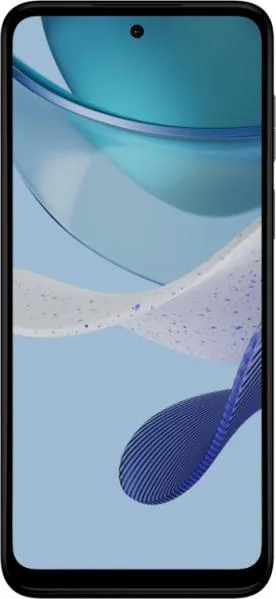
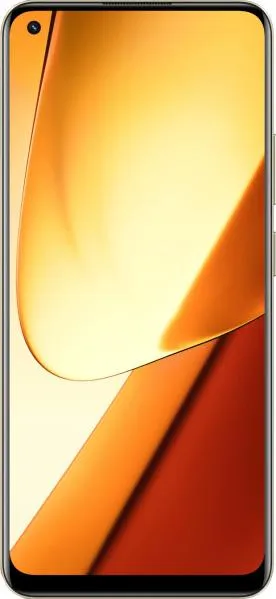
1. Specifications Comparison
| Feature | Motorola Moto G (2023) | Realme 11 | Practical Impact |
|---|---|---|---|
| Design | |||
| Dimensions (mm) | 164 x 75 x 8.4 | 165.7 x 76 x 8.1 | Realme 11 slightly larger but thinner. Negligible difference in everyday use. |
| Weight (g) | 189 | 190 | Virtually identical weight. |
| Display | |||
| Size (inches) | 6.5 | 6.72 | Realme 11 offers a slightly larger screen for more immersive content consumption. |
| Resolution (px) | 720 x 1600 | 1080 x 2400 | Realme 11 has a significantly sharper display (392 ppi vs 270 ppi), resulting in clearer text and images. |
| Type | IPS LCD, 120Hz | IPS LCD, 120Hz | Both offer smooth scrolling and animations thanks to the 120Hz refresh rate. |
| Performance | |||
| Chipset | Snapdragon 480+ 5G (8 nm) | MediaTek Dimensity 6100+ (6 nm) | Realme 11 boasts a more powerful and efficient processor, leading to smoother multitasking and potentially better battery life. |
| CPU | Octa-core (2x2.2 GHz Kryo 460 & 6x1.8 GHz Kryo 460) | Octa-core (2x2.2 GHz Cortex-A76 & 6x2.0 GHz Cortex-A55) | Realme 11's CPU architecture is generally considered more performant for demanding tasks. |
| RAM (GB) | 4 | 8 | Realme 11's double the RAM enables smoother multitasking and less frequent app reloading. |
| Camera | |||
| Main Camera (MP) | 48 | 100 | Realme 11 has a much higher resolution main camera, potentially capturing more detail. However, megapixels alone don't guarantee image quality. |
| Selfie Camera (MP) | 8 | 16 | Realme 11 has a higher resolution selfie camera. |
| Video Recording | 1080p@30fps | 1080p@30fps | Identical video recording capabilities in terms of resolution and frame rate. Missing information regarding slow-motion capabilities for Realme 11 (spec sheet mentions 120fps slow-mo but not in video capabilities) |
| Battery | |||
| Capacity (mAh) | 5000 | 5000 | Identical battery capacity. Real-world battery life will depend on usage and optimization. |
| Other | |||
| NFC | No | Yes | Realme 11 supports contactless payments and data transfer via NFC. |
| Price Range | Medium | Medium | Realme 11 is priced higher than the Moto G (2023) in the provided data. |
2. Key Differences Analysis
Motorola Moto G (2023) Advantages:
- Lower Price: Offers a more budget-friendly option.
Realme 11 Advantages:
- Superior Performance: Significantly more powerful processor and double the RAM for a smoother user experience.
- Sharper Display: Higher resolution and pixel density for clearer visuals.
- Higher Resolution Cameras: Potentially better image quality, especially in the main camera.
- NFC: Enables contactless payments and other NFC functionalities.
Trade-offs:
- The Realme 11's higher performance and features come at a higher price.
- The Moto G (2023) sacrifices performance and features for affordability.
3. User Profiles & Recommendations
Motorola Moto G (2023):
- Ideal User: Budget-conscious users who prioritize basic smartphone functionality (calling, texting, web browsing, social media).
- Use Cases: Casual use, light gaming, simple photography.
Realme 11:
- Ideal User: Users who demand smoother performance, a better display, and more advanced camera features.
- Use Cases: Demanding gaming, media consumption, mobile photography enthusiasts.
4. Decision Framework
Key Questions for Buyers:
- What is your budget? The Moto G (2023) is a more affordable option.
- What level of performance do you need? The Realme 11 offers significantly better performance.
- Which features are most important to you? Consider the importance of NFC, display quality, and camera capabilities.
My Choice: Realme 11
While the Motorola Moto G (2023) is a decent budget option, the Realme 11 offers significantly better value for the slightly higher price. The superior performance, sharper display, higher-resolution cameras, and NFC functionality make it a more compelling overall package. The difference in RAM (8GB vs 4GB) alone significantly impacts the long-term usability of the phone, making the Realme 11 a more future-proof choice. While I acknowledge budget constraints can be decisive, the performance and feature gap justifies the price difference for most users beyond the most basic needs.
