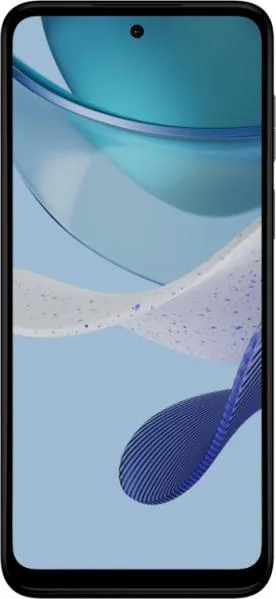
1. Specifications Comparison
| Feature | Motorola Moto G (2023) | realme 8 | Practical Impact |
|---|---|---|---|
| Design | |||
| Dimensions (mm) | 164 x 75 x 8.4 | 162 x 75.1 x 8.7 | Realme 8 is slightly shorter and thinner. Negligible difference in daily use. |
| Weight (g) | 189 | 191 | Virtually identical weight; no noticeable difference in hand. |
| Fingerprint Sensor | Side-mounted | Under-display | Preference-based; under-display feels more modern, side-mounted can be faster. |
| Display | |||
| Display Type | IPS LCD, 120Hz | LTPO AMOLED, 120Hz | Realme 8's AMOLED offers significantly better contrast, deeper blacks, and potentially higher brightness. LTPO allows for dynamic refresh rate adjustments, saving battery. |
| Display Size (inches) | 6.5 | 6.78 | Realme 8 has a larger display, better for media consumption and multitasking. |
| Resolution | 720 x 1600 (270 ppi) | 1264 x 2780 (450 ppi) | Realme 8 has a much sharper and more detailed display. Moto G's lower resolution may appear pixelated. |
| Performance | |||
| Chipset | Snapdragon 480+ 5G | Snapdragon 7+ Gen 3 | Realme 8's processor is significantly more powerful, resulting in smoother performance, faster app loading, and better gaming capabilities. |
| CPU | Octa-core (2x2.2 GHz & 6x1.8 GHz) | Octa-core (1x2.8 GHz & 4x2.6 GHz & 3x1.9 GHz) | Realme 8 offers a significant performance advantage with faster clock speeds and newer architecture. |
| GPU | Adreno 619 | Adreno 732 | Realme 8 provides a substantially better gaming and graphics rendering experience. |
| RAM | 4GB | 12GB | Realme 8 offers significantly more RAM, enabling smoother multitasking and preventing apps from closing in the background. |
| Storage | 128GB | 512GB | Realme 8 offers much more storage for apps, photos, and videos. |
| Camera | |||
| Rear Camera | 48MP Main, 2MP Macro | Missing Information | Cannot compare without Realme 8's camera specifications. |
| Front Camera | 8MP | Missing Information | Cannot compare without Realme 8's camera specifications. |
| Video Recording | 1080p@30fps | 4K@30/60fps, 1080p@30/60/120fps with OIS/EIS | Realme 8 offers superior video recording capabilities with higher resolution, frame rates, and stabilization. |
| Battery | |||
| Capacity | 5000 mAh | 5500 mAh | Realme 8 has a slightly larger battery, potentially offering longer battery life. However, real-world usage depends on many factors. |
| Other | |||
| NFC | No | Yes | Realme 8 supports contactless payments and data transfer via NFC. |
| OS | Android 13 | Android 14 | Realme 8 comes with a newer Android version, potentially offering newer features and longer software support. |
2. Key Differences Analysis
Motorola Moto G (2023) Advantages:
- Lower Price: Expected to be significantly cheaper.
Realme 8 Advantages:
- Significantly Superior Performance: Much faster processor, GPU, and more RAM for a smoother, more responsive experience.
- Much Better Display: Higher resolution, AMOLED technology, and LTPO for vibrant colors, deep blacks, and power efficiency.
- Larger Display: Better for media consumption and multitasking.
- More Storage: Ample space for apps, photos, and videos.
- Better Video Recording: Higher resolution, frame rates, and stabilization.
- NFC: Supports contactless payments.
- Newer Android Version: Latest features and potentially longer software support.
3. User Profiles & Recommendations
Motorola Moto G (2023): Budget-conscious users who prioritize basic functionality: calling, texting, web browsing, and light social media usage.
Realme 8: Users who value performance, a high-quality display, ample storage, and future-proofing. Suitable for demanding tasks like gaming, video editing, and heavy multitasking.
4. Decision Framework
Key Questions for Buyers:
- What is your budget? The Moto G (2023) is likely much more affordable.
- What are your primary use cases? For basic tasks, the Moto G may suffice. For demanding tasks, the Realme 8 is necessary.
- How important is display quality and performance? The Realme 8 significantly outperforms the Moto G in these areas.
My Choice: realme 8
While lacking complete camera specifications for the Realme 8 limits a full comparison, the available data clearly points to the Realme 8 as the superior device. The significantly improved processor, stunning display, larger RAM and storage, and inclusion of NFC offer a vastly improved user experience. While the Motorola Moto G (2023) might be a suitable budget option for basic usage, the Realme 8's performance and feature set justify the likely higher price for most users looking for a modern, capable smartphone. The long-term benefits of a more powerful device, better display, and newer Android version contribute to a more future-proof investment.
