1. Specifications Comparison
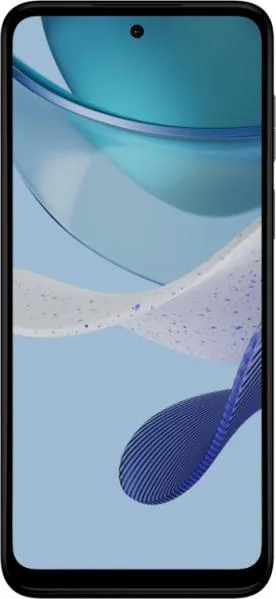
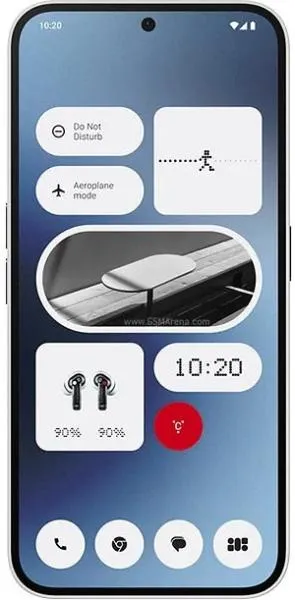
| Feature | Motorola Moto G (2023) | Nothing Phone (2a) | Practical Impact |
|---|---|---|---|
| Design | |||
| Dimensions (mm) | 164 x 75 x 8.4 | 161.7 x 76.3 x 8.6 | Virtually identical in size; negligible real-world difference. |
| Weight (g) | 189 | 190 | Negligible weight difference; both feel similarly substantial. |
| Build Materials | Not specified | Not specified | Cannot compare build quality and durability without this information. |
| Display | |||
| Display Type | IPS LCD | AMOLED | AMOLED offers significantly better contrast, deeper blacks, and potentially brighter colors, leading to a more vibrant viewing experience. |
| Display Size (inches) | 6.5 | 6.7 | Slightly larger screen on the Nothing Phone (2a) provides more immersive content consumption. |
| Resolution | 720 x 1600 | 1080 x 2412 | Much sharper and more detailed visuals on the Nothing Phone (2a) due to higher resolution. Noticeably clearer text and images. |
| Refresh Rate (Hz) | 120 | 120 | Both offer smooth scrolling and animations thanks to the high refresh rate. |
| HDR | No | HDR10+ | Nothing Phone (2a) supports HDR content, resulting in a wider dynamic range and more realistic visuals in supported content. |
| Performance | |||
| Chipset | Snapdragon 480+ 5G | Dimensity 7200 Pro | Dimensity 7200 Pro is significantly more powerful, enabling smoother multitasking, faster app loading, and better gaming performance. |
| CPU | Octa-core (2x2.2 GHz & 6x1.8 GHz) | Octa-core (2x2.8 GHz & 6x2.0 GHz) | Faster clock speeds on the Nothing Phone (2a) translate to improved responsiveness and overall speed. |
| RAM (GB) | 4 | 12 | More RAM on the Nothing Phone (2a) allows for significantly better multitasking and prevents apps from closing in the background as frequently. |
| Camera | |||
| Main Camera (MP) | 48 | 50 | While megapixels aren't everything, the Nothing Phone (2a) likely benefits from a larger sensor (specified) and advanced features, potentially leading to better image quality. |
| OIS | No | Yes | Optical Image Stabilization on the Nothing Phone (2a) significantly improves low-light photography and video stability. |
| Video Recording | 1080p@30fps | 4K@30fps, 1080p@120fps | Nothing Phone (2a) offers much higher resolution video recording and slow-motion capabilities. |
| Battery | |||
| Capacity (mAh) | 5000 | 5000 | Similar battery capacity; real-world battery life will depend on software optimization and usage patterns. |
2. Key Differences Analysis
Motorola Moto G (2023) Advantages:
- Potentially Lower Price: While pricing can vary, the Moto G series is generally known for its affordability.
Nothing Phone (2a) Advantages:
- Significantly Better Performance: The Dimensity 7200 Pro, coupled with more RAM, offers a substantially smoother and faster user experience.
- Superior Display: The AMOLED display with HDR10+ support provides a vastly improved visual experience.
- Enhanced Camera Features: OIS, higher resolution video recording, and a potentially larger sensor offer more versatility and better image/video quality.
- More Up-to-Date Software: Ships with a newer Android version and longer promised software updates.
- NFC for contactless payments: A crucial feature missing in the Moto G (2023).
3. User Profiles & Recommendations
Motorola Moto G (2023): Budget-conscious users who prioritize basic communication (calls, texts, web browsing) and light app usage. Not recommended for demanding tasks like gaming or photography.
Nothing Phone (2a): Users who value performance, a high-quality display, a capable camera, and up-to-date software. Suitable for demanding tasks, gaming, media consumption, and mobile photography.
4. Decision Framework
Key Questions:
- What is your budget? The Moto G (2023) is likely more affordable.
- What are your primary smartphone usage patterns? For basic tasks, the Moto G might suffice. For demanding tasks, the Nothing Phone (2a) is necessary.
- How important are display quality, camera features, and long-term software updates? The Nothing Phone (2a) excels in these areas.
My Choice: Nothing Phone (2a)
The Nothing Phone (2a) is the clear winner for me. The significantly improved performance, superior display, enhanced camera, NFC functionality, and the promise of longer software updates outweigh the potential price difference. While the Moto G (2023) might be acceptable for extremely budget-conscious users with basic needs, the Nothing Phone (2a) offers a much more compelling overall package for a moderately higher price, delivering a vastly superior user experience in almost every aspect. The difference in chipset and RAM alone would make a huge difference in day-to-day usage, making the Nothing Phone (2a) a much more future-proof choice.
