1. Specifications Comparison
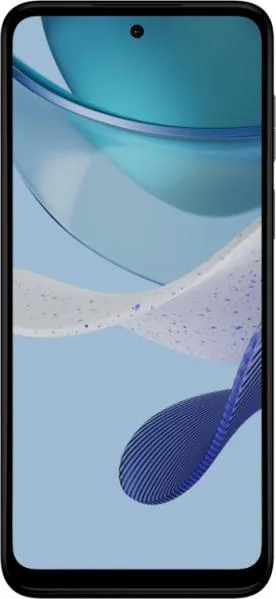
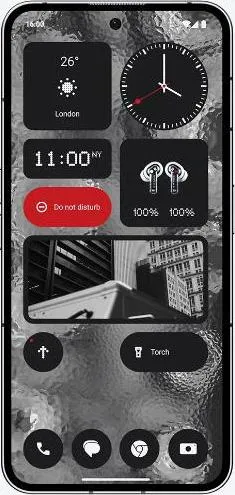
| Feature | Motorola Moto G (2023) | Nothing Phone (2) | Practical Impact |
|---|---|---|---|
| Design | |||
| Dimensions (mm) | 164 x 75 x 8.4 | 162.1 x 76.4 x 8.6 | Virtually identical in size; negligible real-world difference. |
| Weight (g) | 189 | 201.2 | Nothing Phone (2) is slightly heavier, potentially noticeable in prolonged use. |
| Build Materials | Not specified | Not specified | Cannot compare without information. |
| Display | |||
| Display Type | IPS LCD | LTPO OLED | OLED offers significantly better contrast, black levels, and potentially power efficiency due to individual pixel illumination. |
| Display Size (inches) | 6.5 | 6.7 | Slightly larger screen on the Nothing Phone (2) offers more immersive content consumption. |
| Resolution (pixels) | 720 x 1600 | 1080 x 2412 | Much sharper and clearer visuals on the Nothing Phone (2) due to higher resolution. Noticeably improved detail in text and images. |
| Refresh Rate (Hz) | 120 | 120 | Both offer smooth scrolling and animations. |
| Peak Brightness (nits) | Not specified | 1600 | Missing brightness spec for Moto G makes outdoor visibility comparison impossible. Nothing Phone's 1600 nits ensures excellent sunlight readability. |
| Performance | |||
| Chipset | Snapdragon 480+ 5G | Snapdragon 8+ Gen 1 | Significantly faster and more powerful performance on the Nothing Phone (2) for demanding tasks, gaming, and multitasking. |
| CPU | Octa-core (2x2.2 GHz & 6x1.8 GHz) | Octa-core (1x3.0 GHz & 3x2.5 GHz & 4x1.8 GHz) | Faster clock speeds and superior architecture on Nothing Phone (2) translate to a smoother, more responsive user experience. |
| GPU | Adreno 619 | Adreno 730 | Much more powerful GPU in Nothing Phone (2) allows for higher graphics settings and smoother frame rates in games. |
| RAM (GB) | 4 | 12 | More RAM in the Nothing Phone (2) enables better multitasking and prevents apps from closing in the background. |
| Camera | |||
| Main Camera (MP) | 48 | 50 | Resolution difference is minor. |
| Sensor | Unspecified | Sony IMX890 | Cannot fully compare without Moto G sensor details. The Sony sensor on the Nothing Phone (2) is generally a positive indicator of image quality. |
| Video Recording | 1080p@30fps | 4K@60fps with HDR, OIS, EIS | Significantly better video recording capabilities on the Nothing Phone (2) due to higher resolution, frame rate, HDR, and stabilization. |
| Battery | |||
| Capacity (mAh) | 5000 | 4700 | Slightly larger battery on the Moto G (2023). However, real-world battery life depends on many factors including display type and processor efficiency. |
2. Key Differences Analysis
Motorola Moto G (2023) Advantages:
- Potentially Longer Battery Life: Larger battery capacity might translate to longer usage time, although this is not guaranteed.
- Lower Price: Positioned in a lower price bracket.
Nothing Phone (2) Advantages:
- Significantly Superior Performance: The Snapdragon 8+ Gen 1 offers a vastly improved user experience for demanding tasks and gaming.
- Higher Quality Display: The OLED display offers richer colors, deeper blacks, and better power efficiency.
- Better Camera Features: Notably better video recording capabilities and a higher-quality main sensor.
- More RAM: Enables smoother multitasking and better overall performance.
Trade-offs:
- The Nothing Phone (2) is more expensive but offers significantly upgraded features.
- The Moto G (2023)'s larger battery might offer longer battery life, but this needs further testing to confirm.
3. User Profiles & Recommendations
Motorola Moto G (2023): Ideal for budget-conscious users who prioritize basic communication, web browsing, and light media consumption. Excellent for users who need a long-lasting battery and don't engage in demanding tasks.
Nothing Phone (2): Ideal for users who demand top-tier performance for gaming, multitasking, and content creation. Also suited for users who value a high-quality display and camera experience.
4. Decision Framework
Key Questions for Buyers:
- What is your budget? The Moto G (2023) is significantly cheaper.
- What are your primary use cases? Basic tasks vs. demanding games and applications.
- How important is display quality and camera performance? The Nothing Phone (2) significantly outperforms the Moto G in these areas.
My Choice: Nothing Phone (2)
While the Motorola Moto G (2023) offers a larger battery and lower price, the Nothing Phone (2)'s superior performance, stunning display, and enhanced camera capabilities make it the clear winner for me. I prioritize a smooth and responsive user experience, a high-quality display for media consumption, and the ability to run demanding applications without lag. The price difference is justified by the significant upgrade in overall quality and features. The Moto G (2023) serves as a great budget option, but the Nothing Phone (2) offers a significantly better overall user experience for a moderate price increase. The lack of key specs on the Moto G, like display brightness and camera sensor details, further hindered a complete comparison.
