1. Specifications Comparison
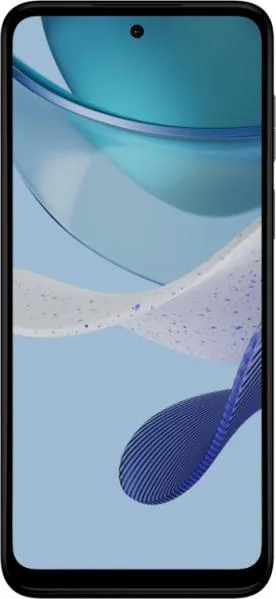
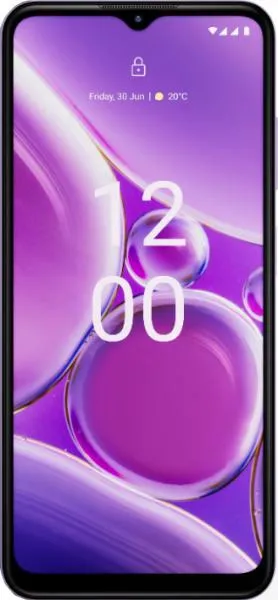
| Feature | Motorola Moto G (2023) | Nokia G42 | Practical Impact |
|---|---|---|---|
| Design | |||
| Dimensions (mm) | 164 x 75 x 8.4 | 165 x 75.8 x 8.6 | Nokia G42 slightly larger, negligible difference in daily use. |
| Weight (g) | 189 | 193.8 | Nokia G42 slightly heavier, but the difference is minimal. |
| Display | |||
| Size (inches) | 6.5 | 6.56 | Negligible difference in screen real estate. |
| Resolution (px) | 720 x 1600 | 720 x 1612 | Nearly identical resolution; both offer similar sharpness. |
| Refresh Rate (Hz) | 120 | 90 | Moto G (2023) offers smoother scrolling and animations due to the higher refresh rate. |
| Display Type | IPS LCD | IPS LCD | Both offer similar color accuracy and viewing angles, typical of IPS LCDs. |
| Performance | |||
| Chipset | Snapdragon 480+ 5G | Snapdragon 480+ 5G | Identical chipsets provide comparable performance and 5G connectivity. |
| CPU | Octa-core (2x2.2 GHz Kryo 460 & 6x1.8 GHz Kryo 460) | Octa-core (2x2.2 GHz Kryo 460 & 6x1.8 GHz Kryo 460) | Same CPU architecture results in similar processing power. |
| GPU | Adreno 619 | Adreno 619 | Identical GPUs should deliver similar gaming performance. |
| RAM | 4GB | 4GB/6GB/8GB | Nokia G42 offers configurations with more RAM, potentially improving multitasking and app loading times. |
| Camera | |||
| Main Camera (MP) | 48 | 50 | Nokia G42 boasts slightly higher resolution, potentially capturing more detail. However, real-world image quality depends on factors beyond resolution. |
| Other Cameras | Macro 2MP, Selfie 8MP | Macro 2MP, Depth Sensor 2MP, Selfie 8MP | Nokia G42 adds a dedicated depth sensor for portrait mode, which may improve background blur. The practical benefit might be limited given the low resolution. |
| Video Recording | 1080p@30fps | 1080p@30fps | Both offer basic video recording capabilities. |
| Battery | |||
| Capacity (mAh) | 5000 | 5000 | Both have identical battery capacities, expecting similar battery life with variations based on individual usage patterns. |
| Other | |||
| NFC | No | Yes | Nokia G42 supports contactless payments and data transfer via NFC, which the Moto G (2023) lacks. |
| OS Updates | Up to Android 13 | Up to Android 14 | Nokia G42 guaranteed one more major OS update, ensuring longer software support and security updates. |
2. Key Differences Analysis
Motorola Moto G (2023) Advantages:
- Higher Refresh Rate Display: The 120Hz display provides a noticeably smoother user experience for scrolling, animations, and gaming compared to the 90Hz display on the Nokia G42.
Nokia G42 Advantages:
- NFC: Enables contactless payments and other NFC functionalities.
- More RAM Options: Offers configurations with 6GB and 8GB RAM, enabling better multitasking performance compared to the 4GB on the Moto G (2023).
- Guaranteed Android 14 Update: Ensures longer software support and security updates.
- Slightly Higher Resolution Main Camera: The 50MP main camera might offer marginally better detail in photos compared to the 48MP sensor on the Moto G (2023), although real-world differences could be minimal.
- Dedicated Depth Sensor: Although low resolution, it could potentially enhance portrait mode shots.
Trade-offs:
- Moto G (2023): Lack of NFC is a significant drawback for users relying on contactless payments.
- Nokia G42: Lower refresh rate display may feel less fluid compared to the Moto G (2023).
3. User Profiles & Recommendations
Motorola Moto G (2023): Suitable for users prioritizing a smooth display experience for media consumption, gaming, and general use. Best for budget-conscious buyers who don't require NFC.
Nokia G42: Ideal for users who value NFC for contactless payments and require a device with longer software support. The higher RAM options also make it suitable for users who frequently multitask or use demanding applications.
4. Decision Framework
Key Questions for Buyers:
- Is NFC essential for your daily use? If yes, the Nokia G42 is the only option.
- How important is display smoothness? If a fluid user experience is a high priority, the Moto G (2023)'s 120Hz display is preferable.
- What is your budget and required RAM? The Nokia G42 offers more RAM options at varying price points.
My Choice: Nokia G42
While the Moto G (2023)'s 120Hz display is tempting, the Nokia G42 offers a more well-rounded package. NFC is crucial for me, and the guaranteed Android 14 update ensures longer-term usability. The availability of higher RAM configurations also future-proofs the device for more demanding tasks and longer-term performance. Although the 90Hz display isn't as smooth as 120Hz, it's still a decent refresh rate and acceptable for everyday use. Overall, the Nokia G42 provides better value and longevity for my needs.
