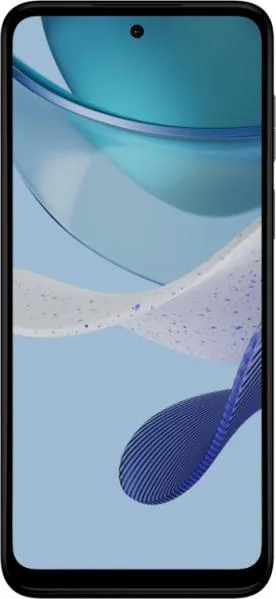
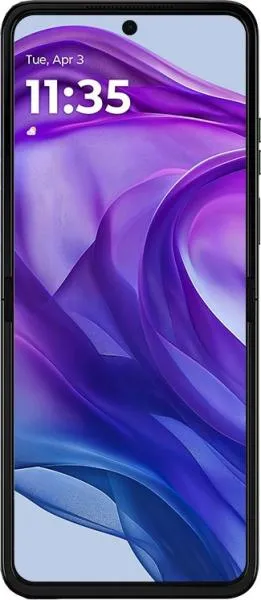
1. Specifications Comparison
| Feature | Motorola Moto G (2023) | Motorola Razr 50 Ultra | Practical Impact |
|---|---|---|---|
| Design | |||
| Dimensions (mm) | 164 x 75 x 8.4 | 171.4 x 74 x 7.1 | Razr 50 Ultra is thinner and slightly taller when unfolded, but significantly more compact when folded. |
| Weight (g) | 189 | 189 | Identical weight despite vastly different form factors. |
| Foldable | No | Yes | Razr 50 Ultra offers portability and a unique form factor. |
| Display | |||
| Display Type | IPS LCD, 120Hz | Foldable LTPO AMOLED, 165Hz | Razr boasts superior color accuracy, contrast, brightness, and smoothness due to AMOLED technology and higher refresh rate. Moto G's LCD is more power efficient but less visually appealing. |
| Size (inches) | 6.5 | 6.9 | Razr offers a larger screen for media consumption. |
| Resolution (px) | 720 x 1600 | 1080 x 2640 | Razr's higher resolution results in sharper text and images. Moto G's lower resolution might appear pixelated to some users. |
| PPI | 270 | 413 | Significantly sharper image quality on the Razr. |
| Performance | |||
| Chipset | Snapdragon 480+ 5G | Snapdragon 8s Gen 3 | Razr 50 Ultra offers significantly faster processing speeds, smoother multitasking, and better gaming performance. |
| CPU | Octa-core (2x2.2 GHz Kryo 460 & 6x1.8 GHz Kryo 460) | Octa-core (1x3.0 GHz Cortex-X4 & 4x2.8 GHz Cortex-A720 & 3x2.0 GHz Cortex-A520) | Razr's CPU architecture and clock speeds provide a substantial performance advantage. |
| RAM (GB) | 4 | 12 | Razr's larger RAM allows for more apps to run in the background without performance degradation. |
| Camera | |||
| Main Camera (MP) | 48 | 50 | While megapixel count is similar, the Razr likely uses a superior sensor and processing, resulting in better image quality. Specific sensor details missing for Moto G. |
| Video Recording | 1080p@30fps | Up to 4K@60fps with HDR, EIS | Razr offers superior video resolution, frame rates, and stabilization. |
| Battery | |||
| Capacity (mAh) | 5000 | 4000 | Moto G has a larger battery capacity suggesting longer battery life. However, Razr's LTPO display and more efficient processor could mitigate this difference in real-world usage. |
2. Key Differences Analysis
Motorola Moto G (2023) Advantages:
- Longer Battery Life (Potentially): The significantly larger battery capacity suggests longer usage time, especially important for users who prioritize all-day battery life.
- Lower Price: The Moto G is positioned in the medium price range, making it more affordable.
Motorola Razr 50 Ultra Advantages:
- Superior Performance: The Snapdragon 8s Gen 3 and 12GB RAM deliver a significantly smoother and faster user experience for demanding tasks and gaming.
- High-Quality Display: The foldable AMOLED display offers vibrant colors, deep blacks, high brightness, and a smooth 165Hz refresh rate.
- Premium Design and Portability: The foldable design allows for a larger screen in a more compact form factor.
- Advanced Camera Features: The Razr supports higher resolution video recording with advanced features like optical image stabilization and HDR.
3. User Profiles & Recommendations
Motorola Moto G (2023):
- Budget-conscious users: Prioritize affordability and basic smartphone functionality.
- Light users: Primarily use their phone for calling, texting, web browsing, and social media.
- Battery life focused users: Value all-day battery life over high performance or advanced features.
Motorola Razr 50 Ultra:
- Power users: Demand top-tier performance for multitasking, gaming, and demanding applications.
- Enthusiasts: Value cutting-edge technology, premium design, and a unique form factor.
- Content creators: Utilize the high-quality camera for photography and videography.
4. Decision Framework
Key Questions for Buyers:
- What is your budget? The Razr 50 Ultra is significantly more expensive.
- What is your primary phone usage? Basic tasks vs. demanding applications and content creation.
- Do you prioritize portability and a unique design? The foldable Razr offers a distinct advantage here.
My Choice: Motorola Razr 50 Ultra
While the Moto G (2023) offers excellent value for its price, the Razr 50 Ultra aligns better with my personal preferences. I value a smooth and responsive user experience, a high-quality display, and a compact form factor. The foldable design is intriguing, and the superior performance and camera features are significant advantages. While the battery capacity is smaller, the efficiency gains from the LTPO display and the Snapdragon 8s Gen 3 could potentially offset this in real-world usage. The higher price is a premium for these advanced features, but it's a worthwhile investment for me given the significant upgrade in overall user experience and the unique form factor.
