1. Specifications Comparison
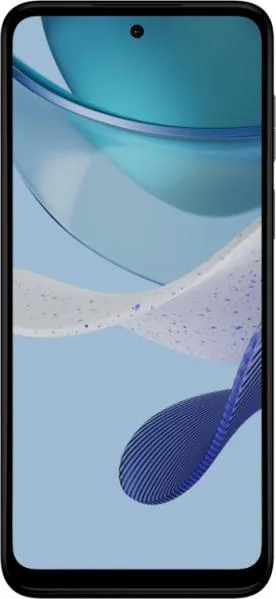
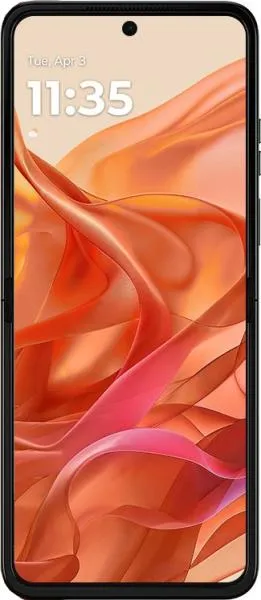
| Feature | Motorola Moto G (2023) | Motorola Razr 50 | Practical Impact |
|---|---|---|---|
| Design | |||
| Dimensions (mm) | 164 x 75 x 8.4 | 171.3 x 74 x 7.3 | Razr 50 is thinner and slightly taller when unfolded, but significantly more compact when folded. |
| Weight (g) | 189 | 188.4 | Negligible weight difference. |
| Foldable | No | Yes | Razr 50 offers significantly increased portability due to its folding design. |
| Display | |||
| Display Type | IPS LCD, 120Hz | Foldable LTPO AMOLED, 120Hz | Razr 50's AMOLED display offers richer colors, deeper blacks, and potentially better power efficiency due to LTPO technology. Higher peak brightness (3000 nits) ensures excellent outdoor visibility. |
| Display Size (inches) | 6.5 | 6.9 | Razr 50 offers a larger screen for media consumption when unfolded. |
| Resolution | 720 x 1600 | 1080 x 2640 | Razr 50 boasts a much sharper display with significantly higher pixel density (413 ppi vs 270 ppi), resulting in crisper text and images. |
| Performance | |||
| Chipset | Snapdragon 480+ 5G (8 nm) | MediaTek Dimensity 7300X (4 nm) | Razr 50's Dimensity 7300X offers significantly improved performance and efficiency due to its more advanced architecture and smaller manufacturing process. |
| CPU | Octa-core (2x2.2 GHz Kryo 460 & 6x1.8 GHz Kryo 460) | Octa-core (4x2.5 GHz Cortex-A78 & 4x2.0 GHz Cortex-A55) | Razr 50 has a more powerful CPU architecture, leading to faster app loading, smoother multitasking, and better gaming performance. |
| RAM | 4GB | 12GB | Razr 50's larger RAM capacity allows for significantly more apps to run in the background without performance degradation. |
| Camera | |||
| Main Camera | 48MP | 50MP | While both have high megapixel counts, the Razr 50 likely utilizes a superior sensor and processing, potentially resulting in better image quality. |
| Video Recording | 1080p@30fps | 4K@30fps with EIS, 1080p@60fps with EIS | Razr 50 offers higher resolution video recording and Electronic Image Stabilization (EIS) for smoother footage. |
| Battery | |||
| Capacity | 5000 mAh | 4200 mAh | Moto G (2023) has a larger battery capacity, potentially offering longer battery life. However, Razr 50's more efficient processor and LTPO display could offset this difference. |
2. Key Differences Analysis
Moto G (2023) Advantages:
- Lower Price: Significantly more affordable.
- Larger Battery: Potentially longer battery life.
- Simpler Design: More durable and less prone to damage compared to a foldable phone.
Razr 50 Advantages:
- Significantly More Powerful: Superior performance in all tasks.
- Higher Quality Display: Sharper, brighter, and more vibrant visuals.
- Foldable Design: Unmatched portability.
- Better Camera System: Improved image and video quality, optical image stabilization.
3. User Profiles & Recommendations
Moto G (2023): Ideal for budget-conscious users who prioritize basic functionality, reliability, and long battery life. Suitable for calling, texting, web browsing, and light media consumption.
Razr 50: Ideal for users who value cutting-edge technology, portability, a premium multimedia experience, and strong performance. Suitable for demanding tasks, gaming, content creation, and those who desire a unique, compact device.
4. Decision Framework
Key Questions:
- What is your budget? The Moto G (2023) is significantly more affordable.
- What are your performance needs? The Razr 50 offers a substantial performance advantage.
- How important is portability? The Razr 50's foldable design provides unmatched compactness.
Scenario-Based Recommendations:
- Limited Budget, Basic Needs: Moto G (2023)
- Power User, Premium Experience: Razr 50
- Ultimate Portability, Willing to Compromise on Battery Life: Razr 50
My Choice: Motorola Razr 50
While the Moto G (2023) offers excellent value for its price, I would choose the Motorola Razr 50. The significantly improved performance, superior display quality, and innovative foldable design outweigh the price difference and potentially shorter battery life for me. The compact size and portability of the Razr 50 align with my personal preference for a pocketable device without sacrificing screen real estate when needed. The advancements in chipset technology and the inclusion of features like optical image stabilization make the Razr 50 a more future-proof and versatile device. While battery life is a concern, I am willing to make that trade-off for the overall superior user experience.
