1. Specifications Comparison
| Feature | Motorola Moto G (2023) | Motorola Razr 40 Ultra | Practical Impact |
|---|---|---|---|
| Design | |||
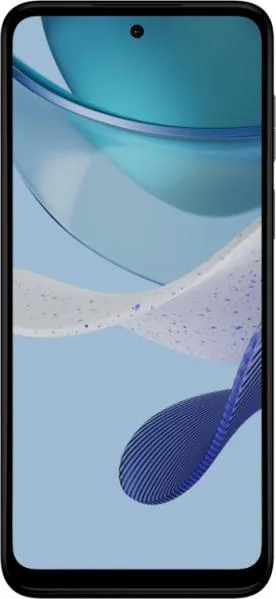
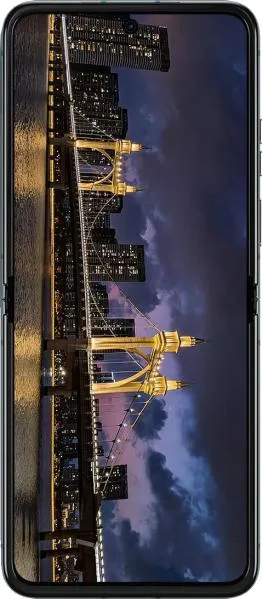
| Dimensions (mm) | 164 x 75 x 8.4 | 170.8 x 74 x 7 | Razr 40 Ultra is significantly thinner and slightly taller when unfolded, highlighting its foldable design. Moto G is larger and more traditional. |
| Weight (g) | 189 | 184.5 | Razr 40 Ultra is slightly lighter despite its complex folding mechanism. |
| Foldable | No | Yes | Razr's foldable design allows for a larger screen in a pocketable form factor, while Moto G offers a standard candybar design. |
| Display | |||
| Type | IPS LCD, 120Hz | Foldable LTPO AMOLED, 165Hz | Razr boasts superior display technology with richer colors, deeper blacks, higher refresh rate and peak brightness, leading to a more premium visual experience. Moto G's LCD is functional but less vibrant. |
| Size (inches) | 6.5 | 6.9 | Razr offers a larger screen area for media consumption and multitasking. |
| Resolution | 720 x 1600 | 1080 x 2640 | Razr's higher resolution delivers sharper text and images. |
| Refresh Rate | 120Hz | 165Hz | Razr's higher refresh rate enables smoother animations and scrolling, though the difference might not be noticeable for all users. |
| Performance | |||
| Chipset | Snapdragon 480+ 5G | Snapdragon 8+ Gen 1 | Razr features a flagship-level processor, resulting in significantly faster performance for demanding tasks and gaming. Moto G offers decent performance for everyday use but will struggle with intensive applications. |
| CPU | Octa-core (2x2.2 GHz...) | Octa-core (1x3.19 GHz...) | Razr's CPU has a more powerful prime core for demanding tasks and better overall performance distribution. |
| GPU | Adreno 619 | Adreno 730 | Razr's GPU offers a substantial improvement in graphics performance for gaming and visually demanding applications. |
| RAM | 4GB | 8GB/12GB | Razr has significantly more RAM, allowing for smoother multitasking and keeping more apps open in the background. |
| Camera | |||
| Main Camera | 48MP | 12MP | While Moto G has a higher megapixel count, Razr likely uses a larger sensor and advanced processing, potentially resulting in better overall image quality. Sensor size and other details are missing for definitive comparison. |
| Selfie Camera | 8MP | 32MP | Razr's higher resolution selfie camera is expected to capture more detailed self-portraits. |
| Video | 1080p@30fps | Up to 4K@60fps | Razr supports higher resolution video recording with better stabilization (EIS). |
| Battery | |||
| Capacity | 5000 mAh | 3800 mAh | Moto G has a significantly larger battery capacity, potentially offering longer battery life despite its less power-efficient display. |
2. Key Differences Analysis
Motorola Moto G (2023) Advantages:
- Longer Battery Life: Significantly larger battery capacity.
- Lower Price: Positioned in a more budget-friendly price range.
Motorola Razr 40 Ultra Advantages:
- Foldable Design: Offers a unique form factor and portability.
- Superior Performance: Flagship-level chipset and ample RAM for demanding tasks and gaming.
- Higher Quality Display: Sharper, brighter, and more responsive AMOLED display with HDR10+.
- Better Camera Features: Potentially better image quality, higher resolution selfie camera, and superior video recording capabilities.
Trade-offs:
- Razr 40 Ultra: Sacrifices battery life for a slimmer, foldable design and high-performance components. Higher price point.
- Moto G (2023): Compromises on performance, display quality, and camera features for a lower price and longer battery life.
3. User Profiles & Recommendations
Moto G (2023):
- Ideal User: Budget-conscious users who prioritize battery life and basic functionality.
- Use Cases: Everyday communication, web browsing, social media, casual photography.
Motorola Razr 40 Ultra:
- Ideal User: Users who value cutting-edge technology, a unique form factor, top-tier performance, and a premium multimedia experience. Willing to pay a premium for these features.
- Use Cases: Demanding mobile gaming, content creation, multitasking, enjoying media on a high-quality display.
4. Decision Framework
Key Questions for Buyers:
- Budget: How much are you willing to spend?
- Performance Needs: Do you require top-tier performance for demanding tasks or gaming?
- Form Factor Preference: Do you prioritize a pocketable foldable design or a traditional smartphone?
Scenario-Based Recommendations:
- Limited Budget, Basic Needs: Moto G (2023)
- High Budget, Premium Experience: Razr 40 Ultra
My Choice: Motorola Razr 40 Ultra
While the Moto G (2023) offers excellent value for its price, I would choose the Motorola Razr 40 Ultra. The foldable design is incredibly appealing, offering a large screen in a compact form factor. The significant performance upgrade, superior display, and enhanced camera features outweigh the smaller battery capacity and higher price for my personal needs. I value having a powerful and cutting-edge device that can handle demanding tasks and provide a premium multimedia experience. I am willing to compromise slightly on battery life to gain the benefits of the Razr's advanced features and unique design. The ability to have a large screen that folds to a pocketable size greatly enhances portability and usability in various situations.
