1. Specifications Comparison
| Feature | Motorola Moto G (2023) | Motorola Razr 40 | Practical Impact |
|---|---|---|---|
| Design | |||
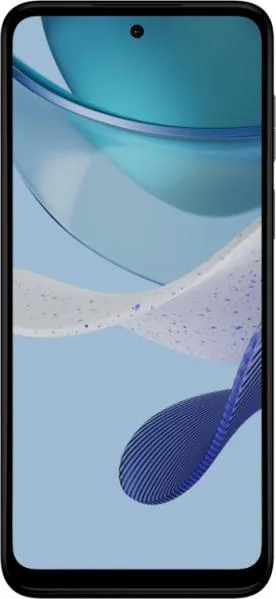
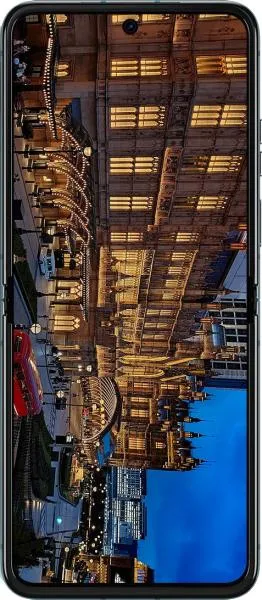
| Dimensions (mm) | 164 x 75 x 8.4 | 170.8 x 74 x 7.4 | Razr 40 is thinner and slightly taller but wider when unfolded. Moto G 2023 is a traditional candybar design. Razr 40's foldable design offers portability. |
| Weight (g) | 189 | 188.6 | Negligible weight difference. |
| Foldable | No | Yes | Razr 40's foldable design allows for compact storage and a unique user experience. |
| Display | |||
| Size (inches) | 6.5 | 6.9 | Razr 40 offers a larger screen for media consumption when unfolded. |
| Resolution (px) | 720 x 1600 | 1080 x 2640 | Razr 40 has a significantly sharper display with higher resolution, resulting in clearer text and images. |
| Type | IPS LCD, 120Hz | Foldable LTPO AMOLED, 144Hz | Razr 40's AMOLED provides superior contrast, deeper blacks, and vibrant colors. The higher refresh rate on both contributes to smoother scrolling and animations, though the difference between 120Hz and 144Hz is minimal. LTPO allows for dynamic refresh rate adjustment, potentially saving battery. |
| PPI | 270 | 413 | Razr 40's higher pixel density results in much sharper visuals. |
| Performance | |||
| Chipset | Snapdragon 480+ 5G | Snapdragon 7 Gen 1 | Razr 40 boasts a considerably more powerful processor, enabling smoother multitasking, faster app loading, and better gaming performance. |
| CPU | Octa-core (2x2.2 GHz & 6x1.8 GHz) | Octa-core (1x2.4 GHz & 3x2.36 GHz & 4x1.8 GHz) | Razr 40's CPU architecture and higher clock speeds translate to a noticeable performance advantage in demanding tasks. |
| GPU | Adreno 619 | Adreno 644 | Razr 40 has a significantly more powerful GPU, delivering a superior gaming and graphics-intensive application experience. |
| RAM | 4GB | 8GB | Razr 40's larger RAM allows for more efficient multitasking and smoother performance with multiple apps open. |
| Camera | |||
| Main Camera (MP) | 48 | 64 | Razr 40's higher resolution main camera potentially offers more detail in photos. Image quality is also dependent on sensor size and processing, which are not fully specified. |
| Selfie Camera (MP) | 8 | 32 | Razr 40 has a much higher resolution selfie camera, likely producing better quality self-portraits. |
| Video Recording | 1080p@30fps | 4K@30fps | Razr 40 can record video at a much higher resolution, resulting in significantly more detailed footage. It also offers Optical Image Stabilization (OIS) for smoother videos. |
| Battery | |||
| Capacity (mAh) | 5000 | 4200 | Moto G 2023 has a larger battery capacity, potentially offering longer battery life. However, Razr 40's LTPO display could mitigate this difference. Real-world battery life depends heavily on usage patterns. |
2. Key Differences Analysis
Motorola Moto G (2023) Advantages:
- Longer potential battery life: The larger 5000mAh battery may provide longer usage between charges, though this is dependent on real-world usage.
- Lower price: Positioned in the lower "medium price" range, offering good value for basic smartphone needs.
Motorola Razr 40 Advantages:
- Significantly more powerful: Superior chipset, CPU, GPU, and RAM provide a much smoother and faster user experience.
- Higher quality display: Foldable AMOLED with higher resolution, refresh rate, and HDR support offers a vastly improved visual experience.
- More versatile camera system: Higher resolution sensors, 4K video recording, and OIS enable capturing higher quality photos and videos.
- Foldable design: Offers unique portability and a larger screen in a compact form factor.
3. User Profiles & Recommendations
Moto G (2023): Ideal for budget-conscious users with basic smartphone needs like calling, texting, browsing, and social media. Suitable for users who prioritize battery life over performance and advanced features.
Razr 40: Suitable for users who value performance, a premium display, a versatile camera, and the novelty of a foldable design. Ideal for users who consume media, play mobile games, and appreciate a compact, pocketable device.
4. Decision Framework
Key Questions for Buyers:
- What is your budget? The Moto G (2023) is a more affordable option.
- What are your primary smartphone uses? Basic tasks vs. demanding applications and media consumption.
- Do you value portability and a unique design? The Razr 40's foldable form factor is a key differentiator.
My Choice: Motorola Razr 40
While the Moto G (2023) offers excellent value for its price, the Razr 40 is a clear winner for me due to its significantly superior performance, stunning display, more capable camera system, and innovative foldable design. The trade-off of slightly lower battery capacity is acceptable considering the Razr 40's LTPO display and the overall gains in user experience. The compact form factor and unique design are highly appealing for daily use. While more expensive, the Razr 40 offers a substantial upgrade in almost every aspect, making it a more compelling choice for a long-term investment.
