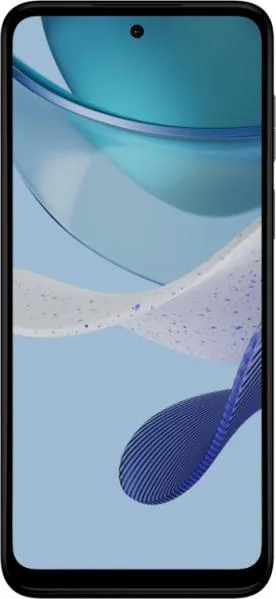
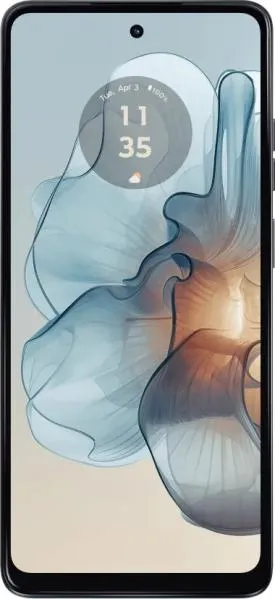
1. Specifications Comparison
| Feature | Motorola Moto G (2023) | Motorola Moto G24 Power | Practical Impact |
|---|---|---|---|
| Design | |||
| Dimensions (mm) | 164 x 75 x 8.4 | 163.5 x 74.5 x 9 | Virtually identical in size and hand feel. |
| Weight (g) | 189 | 197 | G24 Power is slightly heavier, likely due to the larger battery. Negligible difference in daily use. |
| Display | |||
| Size (inches) | 6.5 | 6.56 | Negligible difference in screen real estate. |
| Resolution (px) | 720 x 1600 | 720 x 1612 | Nearly identical resolution; both are HD+ but not as sharp as FHD+ displays. |
| Refresh Rate (Hz) | 120 | 90 | Moto G (2023) offers smoother scrolling and animations thanks to the higher refresh rate. |
| Panel Type | IPS LCD | IPS LCD | Both offer decent color reproduction but lack the deep blacks and vibrant colors of OLED displays. |
| Peak Brightness (nits) | Not specified | 537 | G24 Power's specified peak brightness suggests better outdoor visibility. Missing data for the Moto G (2023) limits a definitive conclusion. |
| Performance | |||
| Chipset | Snapdragon 480+ 5G | Helio G85 | Snapdragon 480+ generally offers better performance and 5G connectivity. Helio G85 focuses on power efficiency. |
| CPU | Octa-core (2x2.2 GHz Kryo 460 & 6x1.8 GHz Kryo 460) | Octa-core (2x2.0 GHz Cortex-A75 & 6x1.7 GHz Cortex-A55) | Both are capable of handling everyday tasks, but the Snapdragon 480+ might offer slightly better performance in demanding applications. |
| RAM (GB) | 4 | 8 | G24 Power's 8GB RAM enables better multitasking and smoother performance with multiple apps open. |
| GPU | Adreno 619 | Mali-G52 MC2 | Adreno 619 generally provides a smoother gaming experience compared to the Mali-G52 MC2. |
| Camera | |||
| Main Camera (MP) | 48 | 50 | G24 Power has a slightly higher megapixel count, but image quality depends on factors beyond resolution. |
| Other Cameras | Macro | Wide Angle, Macro | G24 Power offers a wider field of view with its wide-angle lens, providing more versatility. |
| Video Recording | 1080p@30fps | 1080p@30fps, Slow Motion 120fps | Both offer basic video recording, but the G24 Power has slow-motion capabilities. |
| Battery | |||
| Capacity (mAh) | 5000 | 6000 | G24 Power offers significantly longer battery life due to the larger capacity. |
| Other | |||
| NFC | No | Yes | G24 Power supports contactless payments and other NFC functionalities. |
| OS | Android 13 | Android 14 | G24 Power comes with a newer Android version, potentially offering new features and longer software support. |
| Price Range | Medium | Low | G24 Power offers better value for its price, considering the specifications. |
2. Key Differences Analysis
Motorola Moto G (2023) Advantages:
- Smoother Display: 120Hz refresh rate provides a more fluid user experience.
- Slightly Better Performance: Snapdragon 480+ offers generally faster processing and better gaming.
- 5G Connectivity: Future-proofs the device for faster data speeds.
Motorola Moto G24 Power Advantages:
- Significantly Longer Battery Life: 6000mAh battery ensures extended usage.
- More RAM: 8GB allows for better multitasking and smoother performance.
- NFC Support: Enables contactless payments and data transfer.
- Newer Android Version: Access to the latest features and potentially longer software updates.
- Lower Price: Offers excellent value for its features.
- Wide Angle Camera: Adds versatility for capturing landscapes and group photos.
- Slow Motion Video: Allows for creative video capture.
3. User Profiles & Recommendations
Moto G (2023): Users who prioritize a smooth display and slightly better performance, especially for gaming, and require 5G connectivity.
Moto G24 Power: Users who prioritize long battery life, value multitasking capabilities, need NFC for contactless payments, and are on a budget. Excellent for users who heavily use their phones throughout the day without frequent charging opportunities.
4. Decision Framework
Key Questions for Buyers:
- How important is battery life? If all-day battery life is crucial, the G24 Power is the clear winner.
- What is your budget? The G24 Power provides more value for its lower price.
- Do you need 5G or NFC? Choose the G (2023) for 5G or the G24 Power for NFC.
My Choice: Motorola Moto G24 Power
While the Moto G (2023) offers a smoother display and slightly better performance, the Moto G24 Power's significantly larger battery, NFC functionality, newer Android version, extra RAM, and lower price make it the more compelling choice for me. The added benefit of a wide-angle lens further enhances its versatility. Unless 5G is an absolute necessity, the G24 Power offers a better overall package for most users. The trade-off of a slightly less smooth display and marginally lower performance is easily outweighed by the substantial gains in battery life and other practical features.
