1. Specifications Comparison
| Feature | Motorola Moto G (2023) | Motorola Edge 50 Pro | Practical Impact |
|---|---|---|---|
| Design | |||
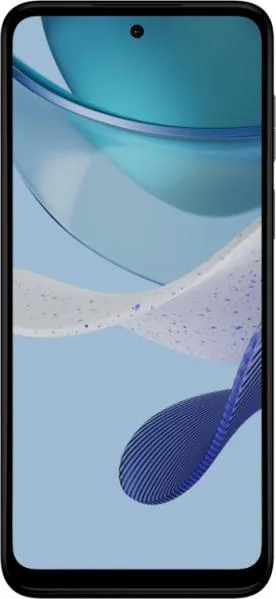
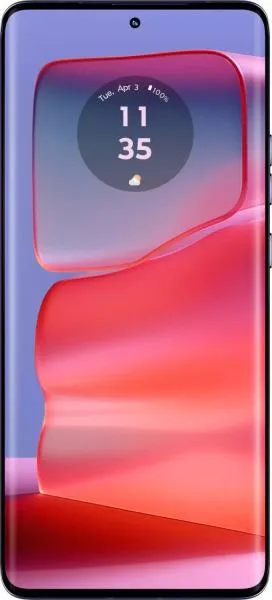
| Dimensions (mm) | 164 x 75 x 8.4 | 161.2 x 72.4 x 8.2 | Edge 50 Pro is slightly smaller and thinner. |
| Weight (g) | 189 | 186 | Negligible weight difference. |
| Build | Not specified | Not specified | Build quality comparison not possible. |
| Display | |||
| Display Type | IPS LCD, 120Hz | P-OLED, 144Hz, HDR10+, 2000 nits (peak) | Edge 50 Pro offers superior contrast, deeper blacks, smoother motion, and much higher brightness for better outdoor visibility. |
| Display Size | 6.5" | 6.7" | Edge 50 Pro has a slightly larger screen. |
| Resolution | 720 x 1600 (270 ppi) | 1220 x 2712 (446 ppi) | Edge 50 Pro has a significantly sharper and more detailed display. |
| Performance | |||
| Chipset | Snapdragon 480+ 5G (8 nm) | Snapdragon 7 Gen 3 (4 nm) | Edge 50 Pro offers significantly faster processing, better graphics performance, and improved power efficiency. |
| CPU | Octa-core (2x2.2 GHz & 6x1.8 GHz) | Octa-core (1x2.63 GHz & 4x2.4 GHz & 3x1.8 GHz) | Edge 50 Pro boasts a more powerful CPU architecture, resulting in much smoother multitasking and app loading. |
| GPU | Adreno 619 | Adreno 720 | Edge 50 Pro provides a substantial leap in graphics performance, enabling smoother gaming and faster rendering. |
| RAM | 4GB | 12GB | Edge 50 Pro has significantly more RAM for seamless multitasking and demanding applications. |
| Storage | 128GB | 256GB/512GB | Edge 50 Pro offers much more storage for apps, photos, and videos. |
| Camera | |||
| Rear Camera | 48MP Main, 2MP Macro | 50MP Main, 13MP Wide, 10MP Telephoto | Edge 50 Pro boasts a more versatile camera system with a wide-angle and telephoto lens, enabling optical zoom and broader perspectives. |
| Front Camera | 8MP | 50MP | Edge 50 Pro has a much higher resolution front camera for better selfies. |
| Video Recording | 1080p@30fps | Up to 4K@30fps with HDR, EIS | Edge 50 Pro offers higher resolution video recording with stabilization and HDR. |
| Battery | |||
| Capacity | 5000 mAh | 4500 mAh | Moto G has a larger battery capacity, potentially offering longer battery life despite a less efficient processor. Real-world usage will vary. |
| Charging Speed | Not specified | Not specified | Charging speed comparison not possible. |
2. Key Differences Analysis
Motorola Moto G (2023) Advantages:
- Potentially Longer Battery Life: Larger battery capacity might translate to longer usage time.
- Lower Price: Expected to be more affordable.
Motorola Edge 50 Pro Advantages:
- Significantly Better Performance: Superior processor, GPU, and more RAM for smooth multitasking and demanding tasks.
- Higher Quality Display: P-OLED with higher resolution, refresh rate, HDR10+, and peak brightness.
- More Versatile Camera System: Triple camera setup with wide, telephoto, and higher resolution sensors.
- More Up-to-Date Software: Launches with Android 14 and guaranteed updates to Android 17.
- More Features: NFC for contactless payments.
3. User Profiles & Recommendations
Moto G (2023): Budget-conscious users who prioritize basic functionality, long battery life, and affordability for everyday tasks like calling, texting, and web browsing.
Edge 50 Pro: Users who demand high performance, a premium display, a versatile camera system, and the latest software features. Ideal for gaming, content creation, and multitasking.
4. Decision Framework
Key Questions:
- What is your budget? The Moto G (2023) is likely a much more affordable option.
- What are your primary smartphone usage patterns? Basic tasks vs. demanding applications and gaming.
- How important is display quality and camera versatility? The Edge 50 Pro excels in these areas.
Scenario-Based Recommendations:
- Limited Budget, Basic Usage: Moto G (2023)
- Balanced Budget, Moderate Usage: Moto G (2023) if battery life is paramount, otherwise consider stretching the budget for the Edge 50 Pro.
- Performance and Features Focused: Edge 50 Pro
My Choice: Motorola Edge 50 Pro
While the Moto G (2023) offers a larger battery and lower price, the Edge 50 Pro provides a significantly better overall user experience. The superior performance, stunning display, versatile camera system, and longer software support make it a much more compelling device for my needs. I prioritize a smooth and responsive user interface, high-quality visuals for media consumption, and the ability to run demanding applications without lag. The price difference is justified by the substantial improvements across the board. While battery life is important, I'm willing to potentially sacrifice some longevity for the vastly improved performance and features of the Edge 50 Pro.
