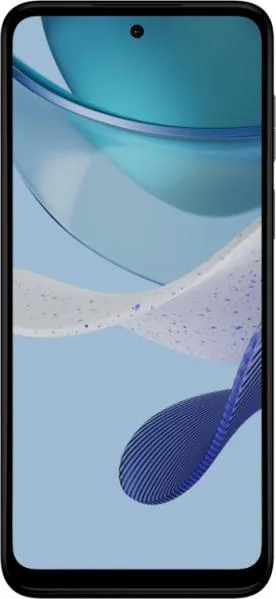
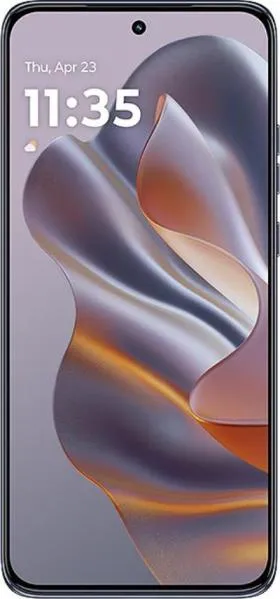
1. Specifications Comparison
| Feature | Motorola Moto G (2023) | Motorola Edge 50 Neo | Practical Impact | |
|---|---|---|---|---|
| Design | ||||
| Dimensions (mm) | 164 x 75 x 8.4 | 154.1 x 71.2 x 8.1 | Edge 50 Neo is noticeably smaller and lighter, making it more pocketable and comfortable for one-handed use. | |
| Weight (g) | 189 | 171 | Edge 50 Neo is lighter, reducing hand fatigue during extended use. | |
| Display | ||||
| Display Type | IPS LCD, 120Hz | LTPO P-OLED, 120Hz | Edge 50 Neo offers superior contrast, deeper blacks, and potentially better power efficiency due to LTPO and OLED technology. Brighter peak brightness (3000 nits). | |
| Resolution | 720 x 1600 | 1256 x 2760 | Edge 50 Neo has a much sharper and more detailed display. | |
| PPI | 270 | 474 | The significantly higher PPI on the Edge 50 Neo results in crisper text and images. | |
| Performance | ||||
| Chipset | Snapdragon 480+ 5G | Dimensity 7300 | Edge 50 Neo boasts a significantly more powerful processor, enabling smoother multitasking, faster app loading, and better gaming performance. | |
| CPU | Octa-core (2x2.2 GHz...) | Octa-core (4x2.5 GHz...) | The Edge 50 Neo's CPU architecture and higher clock speeds provide a substantial performance advantage. | |
| RAM | 4GB | 12GB | The Edge 50 Neo offers much more RAM, allowing for significantly more apps to run in the background without reloading. | |
| Camera | ||||
| Rear Camera | 48MP Main, 2MP Macro | 50MP Main, 13MP Wide, 10MP Telephoto | Edge 50 Neo provides a more versatile camera system with a dedicated wide-angle and telephoto lens. | |
| Video Recording | 1080p@30fps | Up to 4K@30fps | Edge 50 Neo offers higher resolution video recording capabilities. | |
| Battery | ||||
| Capacity | 5000 mAh | 4310 mAh | Moto G (2023) has a larger battery capacity, potentially offering longer battery life despite the less efficient display. This would depend on real-world usage. | |
| Other | ||||
| NFC | No | Yes | Edge 50 Neo supports contactless payments and data transfer. | |
| OS | Android 13 | Android 14 | Edge 50 Neo comes with a newer Android version, offering potential features and security updates. Moto G (2023) future Android updates are not listed, a key factor. |
2. Key Differences Analysis
Moto G (2023) Advantages:
- Potentially Longer Battery Life: The larger 5000 mAh battery might outlast the Edge 50 Neo's smaller battery in real-world usage, despite the less efficient display.
Motorola Edge 50 Neo Advantages:
- Significantly Better Performance: The Dimensity 7300 and increased RAM provide a massive performance advantage for demanding tasks and gaming.
- Superior Display: The P-OLED display offers vibrant colors, deeper blacks, and higher resolution for a more immersive visual experience.
- More Versatile Camera System: The triple camera setup with wide-angle and telephoto lenses provides greater flexibility for photography.
- Newer Software: Android 14 offers the latest features and security updates, and longer OS support lifecycle (up to Android 19).
- NFC: Enables contactless payments and other NFC functionalities.
3. User Profiles & Recommendations
Moto G (2023):
- Budget-conscious users: Prioritize affordability and basic functionality.
- Light users: Primarily use their phone for calling, texting, and web browsing.
- Users prioritizing battery life above all else: Value long usage time on a single charge.
Motorola Edge 50 Neo:
- Performance-focused users: Enjoy gaming, multitasking, and demanding applications.
- Multimedia enthusiasts: Appreciate a high-quality display for watching videos and viewing photos.
- Photography enthusiasts: Desire a versatile camera system for capturing various shots.
- Users who need NFC: Require contactless payment and data transfer functionality.
4. Decision Framework
Key Questions for Buyers:
- What is your budget? The Moto G (2023) is a more budget-friendly option.
- What are your primary phone usage patterns? Light users might find the Moto G (2023) sufficient, while power users will appreciate the Edge 50 Neo.
- Which features are most important to you? Prioritize features like battery life, display quality, performance, and camera capabilities.
My Choice: Motorola Edge 50 Neo
While the Moto G (2023) offers a lower price and potentially longer battery life, the Motorola Edge 50 Neo is the superior choice for most users. The significantly improved performance, vastly superior display, more versatile camera system, NFC functionality, and newer Android version with a longer support lifecycle outweigh the price difference and larger battery of the Moto G (2023). The smaller, lighter form factor of the Edge 50 Neo also enhances daily usability. Unless budget is extremely tight or battery life is the absolute top priority, the Edge 50 Neo provides a much better overall user experience. The lack of clear information regarding future OS updates for the Moto G (2023) is also a significant concern. A phone launching with Android 13 in mid-2023 should have a clearer upgrade path.
