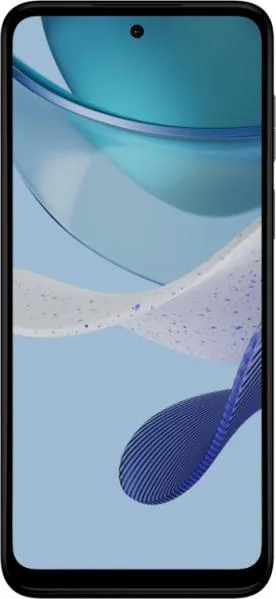
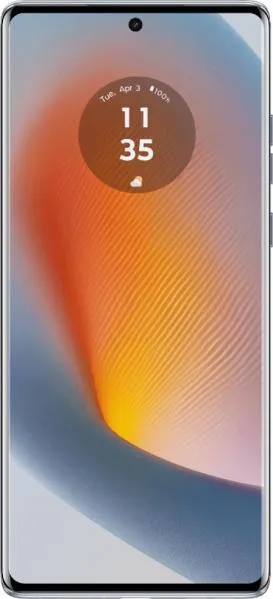
1. Specifications Comparison
| Feature | Motorola Moto G (2023) | Motorola Edge 50 Fusion | Practical Impact |
|---|---|---|---|
| Design | |||
| Dimensions (mm) | 164 x 75 x 8.4 | 161.9 x 73.1 x 7.9 | Edge 50 Fusion is slightly smaller and thinner. |
| Weight (g) | 189 | 174.9 | Edge 50 Fusion is noticeably lighter, improving one-handed use. |
| Build | Not specified | Not specified | Build quality impact cannot be assessed without materials information. |
| Display | |||
| Display Type | IPS LCD, 120Hz | P-OLED, 120/144Hz | Edge 50 Fusion's OLED offers deeper blacks, better contrast, and potentially higher brightness (1600 nits peak vs. unspecified for Moto G). Higher refresh rate variations may exist in some regions for Edge 50 Fusion further enhancing smoothness. |
| Size | 6.5" | 6.7" | Edge 50 Fusion provides a larger viewing area. |
| Resolution | 720 x 1600 | 1080 x 2400 | Edge 50 Fusion has a significantly sharper display, resulting in clearer text and images. |
| Pixel Density (PPI) | 270 | 393 | Edge 50 Fusion's higher pixel density contributes to its sharper visuals. |
| Performance | |||
| Chipset | Snapdragon 480+ 5G (8nm) | Snapdragon 7s Gen 2 (4nm) | Edge 50 Fusion boasts a much more powerful processor, enabling smoother multitasking, better gaming performance, and improved power efficiency due to smaller node size. |
| CPU | Octa-core (2x2.2 GHz Kryo 460 & 6x1.8 GHz Kryo 460) | Octa-core (4x2.4 GHz Cortex-A78 & 4x1.95 GHz Cortex-A55) | Edge 50 Fusion's CPU architecture and higher clock speeds provide a significant performance advantage. |
| GPU | Adreno 619 | Adreno 710 | Edge 50 Fusion's GPU is significantly more capable for demanding tasks like gaming. |
| RAM | 4GB | 8GB | Edge 50 Fusion's larger RAM allows for more apps to run in the background without impacting performance. |
| OS | Android 13 | Android 14 (upgradable to 17) | Edge 50 Fusion comes with a newer OS version and has longer software support, ensuring security updates and new features for a longer period. |
| Camera | |||
| Main Camera | 48MP, f/1.7 | 50MP, f/1.8, OIS | Edge 50 Fusion has a slightly higher resolution main camera with Optical Image Stabilization (OIS) for steadier shots and videos, especially in low light. |
| Selfie Camera | 8MP, f/2.0 | 32MP, f/2.45 | Edge 50 Fusion has a much higher resolution selfie camera. |
| Video Recording | 1080p@30fps | 4K@30fps with EIS | Edge 50 Fusion can record video at a much higher resolution (4K) with Electronic Image Stabilization (EIS). |
| Battery | |||
| Capacity | 5000mAh | 5000mAh | Both phones have the same battery capacity. However, the Edge 50 Fusion's more efficient processor might translate into longer battery life in real-world usage. |
| Charging | USB Type-C 2.0 | USB Type-C 2.0 | Both have USB Type-C, but charging speeds are not specified, limiting a comprehensive comparison. |
| Other | |||
| NFC | No | Yes | Edge 50 Fusion supports NFC for contactless payments and other functionalities. |
2. Key Differences Analysis
Motorola Edge 50 Fusion Advantages:
- Significantly better performance: The Snapdragon 7s Gen 2, coupled with more RAM, provides a substantial performance leap for demanding tasks and gaming.
- Superior display: The P-OLED panel offers richer colors, deeper blacks, and higher sharpness compared to the Moto G's LCD.
- More advanced camera system: OIS on the main camera and higher resolution sensors for both front and rear cameras deliver improved photo and video quality.
- Longer software support: Guaranteed updates to Android 17 ensures longer-term security and access to new features.
- NFC: Enables contactless payments and data transfer.
Motorola Moto G (2023) Potential Advantages:
- Potentially lower price: While not explicitly stated, the Moto G series is generally more budget-friendly. This might be its most significant advantage if the price difference is substantial.
3. User Profiles & Recommendations
Motorola Moto G (2023):
- Ideal User: Budget-conscious users who prioritize basic smartphone functionality: calling, texting, web browsing, and light social media use.
- Use Cases: Casual usage, less demanding apps, basic photography.
Motorola Edge 50 Fusion:
- Ideal User: Users who want a well-rounded smartphone with good performance, a great display, a capable camera, and longer software support. Suitable for gamers, multitaskers, and content consumers.
- Use Cases: Demanding applications, mobile gaming, content consumption (videos, photos), mobile photography and videography.
4. Decision Framework
Key Questions for Buyers:
- What is your budget? The Moto G (2023) is likely more affordable.
- What are your primary smartphone needs? For basic usage, the Moto G might suffice. For demanding tasks and entertainment, the Edge 50 Fusion is vastly superior.
- How important are features like NFC, a high-quality display, and long-term software updates? If these are crucial, the Edge 50 Fusion is the better choice.
My Choice: Motorola Edge 50 Fusion
The Motorola Edge 50 Fusion is the clear winner for me. While pricing wasn't directly compared, the substantial upgrades in performance, display, camera, and software support outweigh the potential price difference. The inclusion of NFC adds further value. Unless budget is extremely tight, the Edge 50 Fusion offers a significantly better overall user experience. The more powerful processor, OLED display, improved camera system, and longer software update commitment make it a future-proof choice that justifies the likely higher cost.
