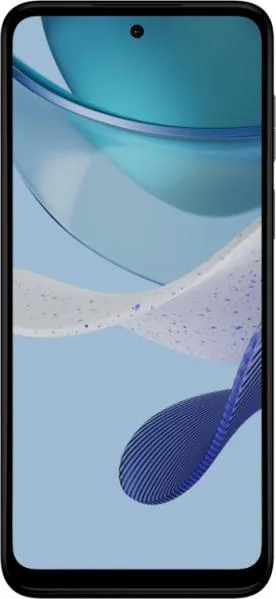
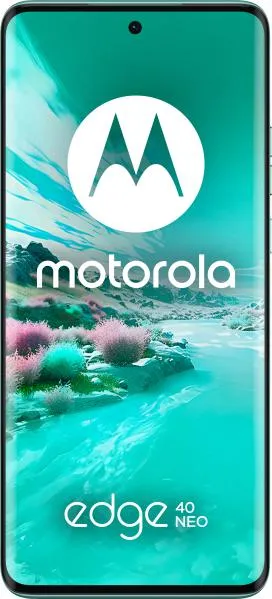
1. Specifications Comparison
| Feature | Motorola Moto G (2023) | Motorola Edge 40 Neo | Practical Impact |
|---|---|---|---|
| Design | |||
| Dimensions (mm) | 164 x 75 x 8.4 | 159.6 x 72 x 7.9 | Edge 40 Neo is noticeably smaller and thinner, making it more pocketable and comfortable for one-handed use. |
| Weight (g) | 189 | 170 | The Edge 40 Neo is significantly lighter, reducing hand fatigue during extended use. |
| Build | Material information missing for both phones, limiting comparison. | ||
| Display | |||
| Display Type | IPS LCD, 120Hz | P-OLED, 1B colors, 144Hz, HDR10+ | Edge 40 Neo offers superior contrast, deeper blacks, and more vibrant colors due to OLED technology. The higher refresh rate (144Hz) may provide slightly smoother animations, though the difference between 120Hz and 144Hz is often subtle. HDR10+ support on the Edge 40 Neo results in a better dynamic range for compatible content. |
| Resolution | 720 x 1600 | 1080 x 2400 | Edge 40 Neo boasts significantly sharper visuals due to its higher resolution (Full HD+ vs. HD+). Text, images, and videos will appear clearer and more detailed. |
| Pixel Density (PPI) | 270 | 402 | The much higher PPI on the Edge 40 Neo translates to a crisper, more detailed display. |
| Performance | |||
| Chipset | Snapdragon 480+ 5G (8nm) | MediaTek Dimensity 7030 (6nm) | Edge 40 Neo features a more powerful and efficient processor, leading to faster app loading, smoother multitasking, and potentially better battery life due to the smaller process node. |
| CPU | Octa-core (2x2.2 GHz Kryo 460 & 6x1.8 GHz Kryo 460) | Octa-core (2x2.5 GHz Cortex-A78 & 6x2.0 GHz Cortex-A55) | The Edge 40 Neo has a more powerful CPU architecture, translating to better performance in demanding tasks and gaming. |
| GPU | Adreno 619 | Mali-G610 MC3 | The Mali-G610 MC3 in the Edge 40 Neo generally offers better gaming performance than the Adreno 619. |
| RAM | 4GB | 12GB | The significantly larger RAM on the Edge 40 Neo allows for much smoother multitasking and prevents apps from closing in the background as frequently. |
| Camera | |||
| Main Camera | 48MP, f/1.7 | 50MP, f/1.8, OIS | While the Edge 40 Neo has a slightly higher resolution, the key differentiator is Optical Image Stabilization (OIS), which will result in significantly more stable videos and potentially better low-light photos. |
| Video Recording | 1080p@30fps | 4K@30fps with EIS, up to 1080p@240fps with EIS | Edge 40 Neo offers significantly better video recording capabilities with higher resolution (4K) and various slow-motion options. Electronic Image Stabilization (EIS) further enhances video stability across different frame rates. |
| Battery | |||
| Capacity | 5000 mAh | 5000 mAh | Similar battery capacities suggest comparable battery life, though real-world usage will depend on software optimization and user behavior. The Edge 40 Neo's more efficient processor might provide a slight edge. |
2. Key Differences Analysis
Motorola Edge 40 Neo Advantages:
- Superior Display: OLED technology, higher resolution, refresh rate, and HDR10+ support.
- Significantly Better Performance: More powerful processor, GPU, and vastly more RAM.
- Enhanced Camera: OIS for stable videos and potentially better low-light photography, 4K video recording, slow-motion capabilities.
- More Compact and Lighter Design: Easier to handle and carry.
Motorola Moto G (2023) Advantages:
- Potentially Lower Price: While prices can vary, the Moto G series generally targets a lower price point.
3. User Profiles & Recommendations
Motorola Edge 40 Neo: Users who prioritize performance, a high-quality display, a good camera, and a sleek design. Ideal for gaming, media consumption, content creation, and demanding multitasking.
Motorola Moto G (2023): Budget-conscious users who primarily need a phone for basic tasks like calling, texting, browsing, and social media. Less demanding users who prioritize affordability over premium features.
4. Decision Framework
Key Questions for Buyers:
- What is your budget? The Edge 40 Neo is expected to be more expensive.
- What are your primary phone usage patterns? Gaming, photography/videography, heavy multitasking benefit from the Edge 40 Neo's superior hardware.
- How important is display quality? The Edge 40 Neo's OLED display offers a significantly better visual experience.
My Choice: Motorola Edge 40 Neo
The Motorola Edge 40 Neo offers a substantial upgrade in nearly every aspect compared to the Moto G (2023). The superior display, significantly improved performance, better camera system, and more refined design make it a much more compelling device. While the price difference is a factor, the Edge 40 Neo provides significantly more value for the extra cost, especially for users who appreciate a smooth, responsive experience and a high-quality display. The 12GB of RAM is a huge plus for future-proofing and ensuring smooth multitasking for years to come. The Moto G (2023) only makes sense for the most budget-conscious buyers who are willing to sacrifice performance and features for affordability.
