1. Specifications Comparison
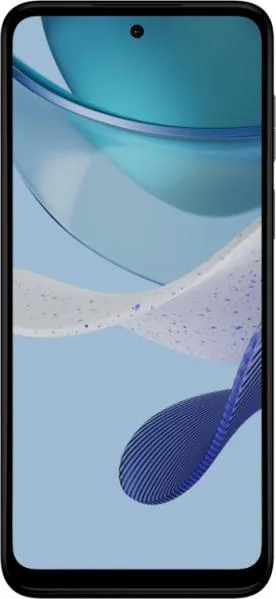
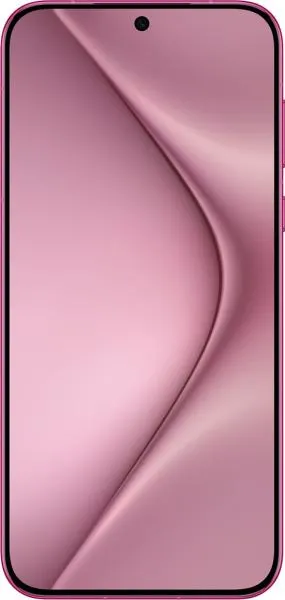
| Feature | Motorola Moto G (2023) | Huawei Pura 70 | Practical Impact |
|---|---|---|---|
| Design | |||
| Dimensions (mm) | 164 x 75 x 8.4 | 157.6 x 74.3 x 8 | Pura 70 is slightly smaller and thinner. |
| Weight (g) | 189 | 207 | Moto G is noticeably lighter. |
| Build | Material information missing for both. Impacts durability and premium feel. | ||
| Display | |||
| Display Type | IPS LCD, 120Hz | LTPO OLED, 120Hz | Pura 70's OLED offers deeper blacks, richer colors, and potentially better power efficiency due to LTPO. |
| Display Size (inches) | 6.5 | 6.6 | Negligible size difference. |
| Resolution | 720 x 1600 | 1256 x 2760 | Pura 70 has a significantly sharper display (460 ppi vs 270 ppi), resulting in crisper text and images. |
| Peak Brightness | Not specified | 2500 nits | Pura 70 should offer superior outdoor visibility. Missing Moto G brightness limits comparison. |
| Performance | |||
| Chipset | Snapdragon 480+ 5G | Kirin 9000S1 | Kirin 9000S1 is a significantly more powerful flagship-level processor compared to the budget-oriented Snapdragon 480+. Expect much faster performance and smoother multitasking on the Pura 70. |
| CPU | Octa-core (2x2.2 GHz & 6x1.8 GHz) | Octa-core | Specific core configurations missing for both, making detailed clock speed comparison difficult. However, the overall chipset difference points to a clear performance advantage for the Pura 70. |
| GPU | Adreno 619 | Maleoon 910 | Pura 70's GPU should offer significantly better gaming and graphics performance. |
| RAM | 4GB | 12GB | Pura 70 offers vastly more RAM, enabling smoother multitasking and better handling of demanding applications. |
| Camera | |||
| Rear Camera | 48MP Main + 2MP Macro | 50MP Main + 13MP Wide + 12MP Telephoto | Pura 70 boasts a triple camera system with a wide-angle and telephoto lens, offering greater versatility compared to the Moto G's dual camera setup. |
| Front Camera | 8MP | 13MP | Pura 70 has a higher resolution selfie camera. |
| Video Recording | 1080p@30fps | Unspecified | Missing video recording specs for Pura 70 limit comparison. |
| Battery | |||
| Capacity | 5000 mAh | 4900 mAh | Negligible difference in battery capacity. Real-world battery life will depend on software optimization and display efficiency. |
2. Key Differences Analysis
Motorola Moto G (2023) Advantages:
- Lighter weight: More comfortable for extended use.
- Potentially lower price: Based on the "medium price" designation and the listed price for a specific version, it's likely more affordable than the Pura 70.
Huawei Pura 70 Advantages:
- Significantly more powerful: Superior performance for demanding tasks and gaming due to the Kirin 9000S1 chipset and 12GB RAM.
- Higher resolution display: Sharper visuals and better overall viewing experience.
- More versatile camera system: Wide-angle and telephoto lenses provide more shooting options.
- Superior display technology: OLED offers deeper blacks and richer colors compared to LCD.
- More advanced connectivity: Includes NFC, Wi-Fi 6, Bluetooth 5.2, and DisplayPort 1.2.
3. User Profiles & Recommendations
Motorola Moto G (2023): Budget-conscious users prioritizing basic communication, social media, and light web browsing. Suitable for users who value affordability and battery life over top-tier performance and features.
Huawei Pura 70: Users who demand high performance, a premium display, and a versatile camera system. Ideal for mobile gamers, content creators, and power users who value the latest technology.
4. Decision Framework
Key Questions for Buyers:
- What is your budget? The Moto G (2023) likely offers better value in the lower price range.
- What is your primary use for a smartphone? For basic tasks, the Moto G suffices. For demanding applications and gaming, the Pura 70 is superior.
- Which features are most important to you? Prioritize display quality, camera versatility, and performance if choosing the Pura 70. Prioritize affordability and battery life if choosing the Moto G.
My Choice: Huawei Pura 70
While the price difference is significant (and unknown specifically), the Huawei Pura 70 offers a substantial upgrade in performance, display quality, and camera versatility. The Kirin 9000S1, coupled with 12GB of RAM, ensures a smooth and responsive user experience even with demanding applications. The OLED display's superior color accuracy and sharpness enhance media consumption. While lacking specific details on battery life and camera video capabilities, the overall package presented by the Pura 70 indicates a significantly more capable and future-proof device for my needs. I value performance and a premium user experience and am willing to invest in those features.
