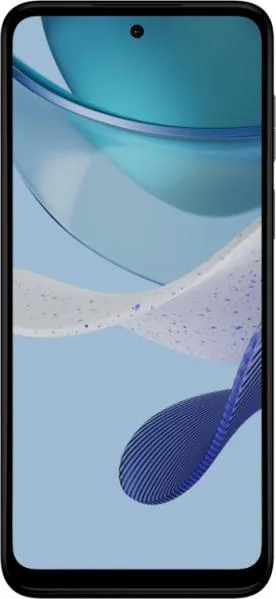
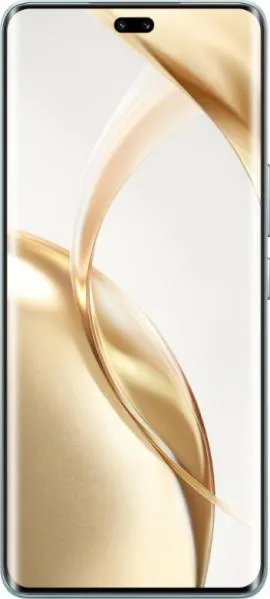
1. Specifications Comparison
| Feature | Motorola Moto G (2023) | Honor 200 Pro | Practical Impact |
|---|---|---|---|
| Design | |||
| Dimensions (mm) | 164 x 75 x 8.4 | 163.3 x 75.2 x 8.2 | Honor is slightly smaller and thinner. Negligible difference in daily use. |
| Weight (g) | 189 | 199 | Honor is slightly heavier, but the difference is minimal. |
| Build Material | Not specified | Not specified | Cannot compare build quality and durability without this information. |
| Display | |||
| Display Type | IPS LCD, 120Hz | OLED, 1B colors, 120Hz | Honor's OLED offers significantly better contrast, deeper blacks, and potentially brighter highlights. |
| Display Size (inches) | 6.5 | 6.78 | Honor has a larger display, providing more immersive content consumption. |
| Resolution | 720 x 1600 | 1224 x 2700 | Honor's display is much sharper with significantly higher pixel density, resulting in clearer text and images. |
| PPI | 270 | 437 | Honor offers a much sharper and more detailed visual experience. |
| Peak Brightness (nits) | Not specified | 4000 | Honor's high peak brightness ensures excellent outdoor visibility. Moto's unspecified brightness limits comparison. |
| Performance | |||
| Chipset | Snapdragon 480+ 5G | Snapdragon 8s Gen 3 | Honor's processor is significantly more powerful, enabling smoother multitasking, faster app loading, and better gaming performance. |
| CPU | Octa-core (2x2.2 GHz Kryo 460 & 6x1.8 GHz Kryo 460) | Octa-core (1x3.0 GHz Cortex-X4 & 4x2.8 GHz Cortex-A720 & 3x2.0 GHz Cortex-A520) | Honor has a much more powerful and efficient CPU architecture. |
| RAM | 4GB | 12GB | Honor provides significantly more RAM for smoother multitasking and demanding applications. |
| Storage | 128GB | 512GB | Honor offers substantially more storage for apps, photos, and videos. |
| Camera | |||
| Rear Camera | 48MP Main, 2MP Macro | 50MP Main, 12MP Wide, 50MP Telephoto | Honor boasts a triple camera system with versatile options including wide-angle and telephoto, offering superior photographic capabilities. |
| Front Camera | 8MP | 50MP | Honor's front camera offers much higher resolution for better selfies and video calls. |
| Video Recording | 1080p@30fps | 4K@30fps with OIS, EIS | Honor supports higher resolution video recording with optical image stabilization for smoother footage. |
| Battery | |||
| Capacity (mAh) | 5000 | 5200 | Honor has a slightly larger battery capacity, potentially offering slightly longer battery life. Real-world usage will vary. |
2. Key Differences Analysis
Honor 200 Pro Advantages:
- Significantly superior performance: The Snapdragon 8s Gen 3 chipset and 12GB RAM provide a vastly smoother and faster user experience compared to the Moto G's Snapdragon 480+.
- Much better display: The OLED display with higher resolution, brightness, and color depth offers a dramatically improved visual experience.
- More versatile camera system: The triple camera setup with wide-angle and telephoto lenses provides greater flexibility for photography.
- Higher storage capacity: 512GB provides ample space for apps, media, and files.
Motorola Moto G (2023) Advantages:
- Potentially lower price: While pricing can vary, the Moto G typically falls into a more budget-friendly category.
3. User Profiles & Recommendations
Honor 200 Pro: Ideal for users who prioritize performance, a premium display, excellent camera quality, and ample storage. Suitable for demanding tasks like gaming, content creation, and multitasking.
Motorola Moto G (2023): Suitable for budget-conscious users who primarily use their phones for basic tasks like calling, texting, browsing, and social media. Less demanding users who don't require top-tier performance or camera capabilities.
4. Decision Framework
Key Questions:
- What is your budget? The Honor 200 Pro is significantly more expensive.
- What are your primary phone usage patterns? For basic tasks, the Moto G might suffice. For demanding tasks, the Honor is necessary.
- How important are display quality and camera performance? The Honor significantly outperforms the Moto G in these areas.
My Choice: Honor 200 Pro
While the price difference is significant, the Honor 200 Pro offers a vastly superior user experience across the board. The significantly improved performance, stunning OLED display, versatile camera system, and larger storage capacity make it a worthwhile investment for a user like myself who values a smooth, responsive, and feature-rich smartphone experience. The Moto G (2023), while potentially more affordable, compromises too much on key aspects like performance and display quality. I would prioritize long-term satisfaction over a slightly lower initial price.
