1. Specifications Comparison
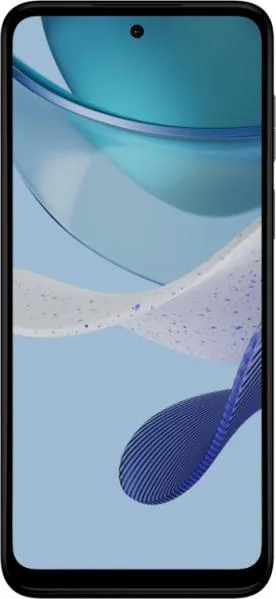
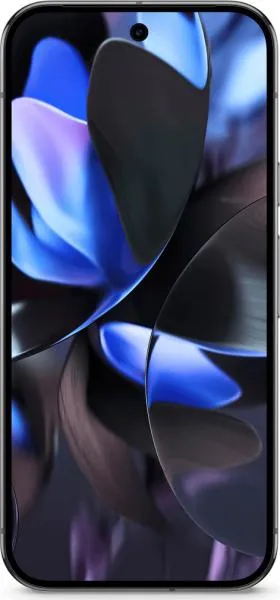
| Feature | Motorola Moto G (2023) | Google Pixel 9 Pro XL | Practical Impact |
|---|---|---|---|
| Design | |||
| Dimensions (mm) | 164 x 75 x 8.4 | 162.8 x 76.6 x 8.5 | Pixel slightly shorter and narrower, negligible difference in thickness. |
| Weight (g) | 189 | 221 | Moto G significantly lighter, more comfortable for one-handed use. |
| Build Material | Not specified | Not specified | Cannot compare build quality and durability. |
| Display | |||
| Display Type | IPS LCD, 120Hz | LTPO OLED, 120Hz | Pixel offers superior contrast, deeper blacks, and potentially better power efficiency due to LTPO. Moto G's LCD might be brighter in direct sunlight. |
| Display Size (inches) | 6.5 | 6.8 | Pixel offers a larger screen for media consumption. |
| Resolution | 720 x 1600 | 1344 x 2992 | Pixel has a much sharper display with significantly higher pixel density (270 ppi vs 486 ppi), resulting in crisper text and images. |
| Peak Brightness (nits) | Not specified | 3000 | Pixel's much higher peak brightness ensures better visibility outdoors. Missing Moto G brightness limits comparison. |
| Performance | |||
| Chipset | Snapdragon 480+ 5G (8 nm) | Google Tensor G4 (4 nm) | Pixel has a significantly more powerful processor, leading to much smoother performance in demanding tasks and gaming. |
| CPU | Octa-core (2x2.2 GHz Kryo 460 & 6x1.8 GHz Kryo 460) | Octa-core (1x3.1 GHz Cortex-X4 & 3x2.6 GHz Cortex-A720 & 4x1.92 GHz Cortex-A520) | Pixel's CPU architecture is more modern and powerful. |
| GPU | Adreno 619 | Mali-G715 MC7 | Pixel's GPU offers significantly better graphics performance for gaming and other visually demanding tasks. |
| RAM | 4GB | 16GB | Pixel offers vastly more RAM, enabling smoother multitasking and preventing app closures in the background. |
| Camera | |||
| Rear Camera | 48MP Main, 2MP Macro | 50MP Main, 48MP Wide, 48MP Telephoto | Pixel boasts a more versatile camera system with higher resolution sensors, a dedicated telephoto lens for optical zoom, and advanced features like 8K video recording. |
| Front Camera | 8MP | 42MP | Pixel's front camera has much higher resolution for better selfies and video calls. |
| Battery | |||
| Capacity (mAh) | 5000 | 5060 | Negligible difference in battery capacity. Real-world battery life will depend on software optimization and usage patterns. |
2. Key Differences Analysis
Motorola Moto G (2023) Advantages:
- Lower Price: Significantly more affordable.
- Lighter Weight: More comfortable for extended use and one-handed operation.
Google Pixel 9 Pro XL Advantages:
- Superior Performance: Significantly faster processor and more RAM for smooth multitasking and demanding applications.
- Higher Quality Display: Sharper, more vibrant OLED display with higher resolution and brightness.
- More Versatile Camera System: Higher resolution sensors, telephoto lens, and advanced features like 8K video recording.
- Longer Software Support: Expected to receive more OS updates and security patches.
Trade-offs:
- The Moto G sacrifices performance, display quality, and camera capabilities for affordability.
- The Pixel 9 Pro XL commands a premium price for its advanced features.
3. User Profiles & Recommendations
Motorola Moto G (2023):
- Ideal User: Budget-conscious users who prioritize basic functionality (calling, texting, web browsing, social media) and a lightweight design.
- Use Cases: Casual use, light gaming, social media browsing.
Google Pixel 9 Pro XL:
- Ideal User: Power users, photographers, videographers, and gamers who demand top-tier performance, a stunning display, and a cutting-edge camera system.
- Use Cases: Demanding gaming, professional photography/videography, content creation, multitasking.
4. Decision Framework
Key Questions for Buyers:
- What is your budget?
- What are your primary smartphone usage patterns?
- How important are performance, display quality, and camera capabilities to you?
Scenario-Based Recommendations:
- Limited Budget: Moto G (2023)
- Balanced Needs: Consider mid-range options with better performance than the Moto G.
- Demand Performance and Features: Google Pixel 9 Pro XL.
My Choice: Google Pixel 9 Pro XL
While the Moto G (2023) offers excellent value for its price, the Pixel 9 Pro XL aligns better with my personal needs and priorities. I value a smooth and responsive user experience, a high-quality display for media consumption, and a versatile camera system for capturing photos and videos. The significantly improved performance, superior display, and advanced camera system of the Pixel 9 Pro XL outweigh the higher price for me. The longer software update support also ensures a longer lifespan for the device, making it a more worthwhile investment in the long run. While the Moto G's lighter weight is appealing, it's not a significant enough factor to outweigh the Pixel's advantages in other crucial areas.
