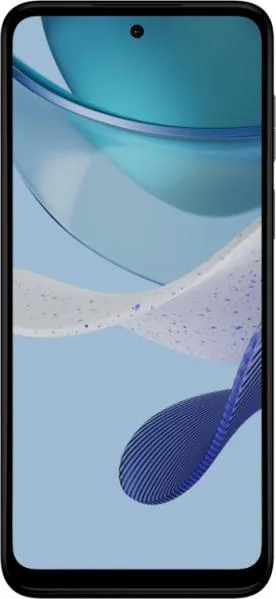
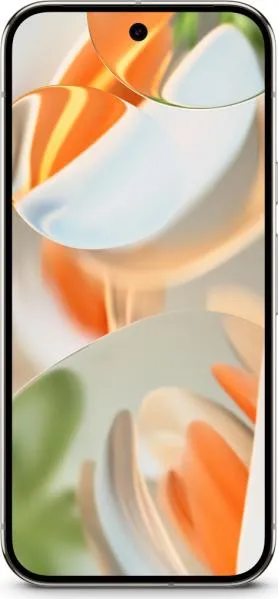
1. Specifications Comparison
| Feature | Motorola Moto G (2023) | Google Pixel 9 Pro | Practical Impact |
|---|---|---|---|
| Design | |||
| Dimensions (mm) | 164 x 75 x 8.4 | 152.8 x 72 x 8.5 | Pixel 9 Pro is noticeably more compact and potentially easier to handle one-handed. |
| Weight (g) | 189 | 199 | Negligible weight difference in real-world usage. |
| Build Material | Not specified | Not specified | Cannot compare build quality and durability without this information. |
| Display | |||
| Display Type | IPS LCD, 120Hz | LTPO OLED, 120Hz | Pixel 9 Pro offers superior contrast, deeper blacks, and potentially better power efficiency due to LTPO technology. Moto G has a standard LCD. |
| Display Size (inches) | 6.5 | 6.3 | Moto G has slightly larger screen real estate, but Pixel 9 Pro has a higher resolution packed into a smaller size. |
| Resolution (pixels) | 720 x 1600 | 1280 x 2856 | Pixel 9 Pro offers significantly sharper visuals due to much higher pixel density. |
| PPI | 270 | 495 | Text and images will appear much crisper on the Pixel 9 Pro. |
| Peak Brightness | Not specified | 3000 nits | Pixel 9 Pro offers exceptional outdoor visibility, even in direct sunlight. Moto G's brightness is unknown. |
| Performance | |||
| Chipset | Snapdragon 480+ 5G | Google Tensor G4 | Tensor G4 provides significantly faster processing power, enabling smoother multitasking and better performance in demanding applications and games. |
| CPU | Octa-core (2x2.2 GHz Kryo 460 & 6x1.8 GHz Kryo 460) | Octa-core (1x3.1 GHz Cortex-X4 & 3x2.6 GHz Cortex-A720 & 4x1.92 GHz Cortex-A520) | Pixel 9 Pro boasts a more powerful and modern CPU architecture, resulting in a significantly faster and more responsive user experience. |
| RAM | 4GB | 16GB | Pixel 9 Pro offers vastly superior multitasking capabilities; apps will stay open in the background longer, and performance will be smoother with less reloading. |
| Storage | 128GB | 256GB, 512GB, 1TB | Pixel 9 Pro offers significantly more storage options for users with large media libraries or who install many apps. |
| Camera | |||
| Rear Camera | 48MP Main, 2MP Macro | 50MP Main, 48MP Wide, 48MP Telephoto | Pixel 9 Pro boasts a triple camera system with versatile lens options, including a telephoto lens for optical zoom, significantly outperforming the Moto G's basic dual camera setup. |
| Video Recording | 1080p@30fps | Up to 8K@30fps | Pixel 9 Pro offers superior video recording capabilities with much higher resolution and frame rate options. |
| Battery | |||
| Capacity (mAh) | 5000 | 4700 | While Moto G has a larger battery capacity, the Pixel 9 Pro's more efficient processor and LTPO display could result in comparable or even better battery life. Real-world usage will vary. |
2. Key Differences Analysis
Motorola Moto G (2023) Advantages:
- Potentially Longer Battery Life: Larger battery capacity might translate to longer usage time, but this depends heavily on usage patterns.
- Lower Price: Significantly more affordable.
Google Pixel 9 Pro Advantages:
- Significantly Faster Performance: Tensor G4 chip and 16GB RAM deliver a vastly smoother and more responsive user experience.
- Superior Display: LTPO OLED with higher resolution and brightness offers a drastically better visual experience.
- More Versatile Camera System: Triple camera setup with telephoto lens provides superior image quality and flexibility.
- More Premium Features: NFC, newer Bluetooth version, faster USB standard, and under-display fingerprint sensor.
Trade-offs:
- Price: The Pixel 9 Pro's advanced features come at a significantly higher price point.
- Battery Life: While the Moto G has a larger battery, the Pixel 9 Pro's efficiency could result in comparable real-world battery life. This is a potential trade-off that needs real-world testing to confirm.
3. User Profiles & Recommendations
Motorola Moto G (2023): Ideal for budget-conscious users who prioritize basic communication, web browsing, and light media consumption. Good for users who heavily value battery life above all else.
Google Pixel 9 Pro: Ideal for power users, photographers, videographers, and anyone who demands top-tier performance, a stunning display, and a versatile camera system. Suitable for users who value a premium user experience and are willing to pay for it.
4. Decision Framework
Key Questions for Buyers:
- What is your budget? The Moto G is a budget-friendly option, while the Pixel 9 Pro is a premium flagship device.
- What are your primary smartphone uses? Basic tasks vs. demanding applications, gaming, photography, etc.
- How important are display quality and performance to you? The Pixel 9 Pro significantly outperforms the Moto G in these areas.
My Choice: Google Pixel 9 Pro
While the Moto G (2023) offers a larger battery and significantly lower price, the Pixel 9 Pro's comprehensive advantages in performance, display, camera, and features make it the clear winner for me. I prioritize a smooth user experience, a vibrant display, and a capable camera, and I am willing to pay a premium for those features. The jump from 4GB to 16GB of RAM alone is a massive difference in day-to-day usability. Furthermore, the Pixel 9 Pro's superior camera system and advanced features like NFC solidify its position as the better overall device for my needs. The potential trade-off in battery life is acceptable considering the Pixel 9 Pro's LTPO display and efficient processor might mitigate the difference in capacity.
