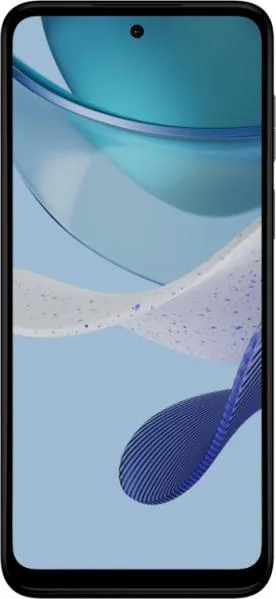

1. Specifications Comparison
| Feature | Motorola Moto G (2023) | Google Pixel 8 Pro | Practical Impact |
|---|---|---|---|
| Design | |||
| Dimensions (mm) | 164 x 75 x 8.4 | 162.6 x 76.5 x 8.8 | Pixel 8 Pro slightly shorter and wider, both relatively thin. Negligible difference in hand feel. |
| Weight (g) | 189 | 213 | Pixel 8 Pro noticeably heavier (24g). Might be tiring for extended one-handed use. |
| Build Material | Not specified | Not specified | Can't compare without information. |
| Display | |||
| Display Type | IPS LCD, 120Hz | LTPO OLED, 120Hz | Pixel 8 Pro offers superior contrast, deeper blacks, and potentially better power efficiency due to LTPO. |
| Display Size (inches) | 6.5 | 6.7 | Pixel 8 Pro has a slightly larger display, providing more screen real estate. |
| Resolution | 720 x 1600 | 1344 x 2992 | Pixel 8 Pro has significantly higher resolution (almost 3x pixel density), resulting in much sharper text and images. |
| Peak Brightness | Not specified | Up to 2400 nits | Pixel 8 Pro boasts exceptional brightness, ensuring excellent outdoor visibility. Missing Moto G brightness limits comparison. |
| Performance | |||
| Chipset | Snapdragon 480+ 5G (8 nm) | Google Tensor G3 (4 nm) | Tensor G3 is a significantly more powerful processor, enabling smoother multitasking, faster app loading, and better gaming performance. |
| CPU | Octa-core (2x2.2 GHz Kryo 460 & 6x1.8 GHz Kryo 460) | Nona-core (1x3.0 GHz Cortex-X3 & 4x2.45 GHz Cortex-A715 & 4x2.15 GHz Cortex-A510) | Pixel 8 Pro CPU architecture and clock speeds suggest a substantial performance advantage. |
| GPU | Adreno 619 | Immortalis-G715s MC10 | Pixel 8 Pro's GPU is far more capable for demanding gaming and graphics processing. |
| RAM | 4GB | 12GB | Pixel 8 Pro's massive RAM advantage allows for seamless multitasking and keeping numerous apps open in the background without performance slowdown. |
| Camera | |||
| Rear Camera | 48MP Main, 2MP Macro | 50MP Main, 48MP Wide & Macro, 48MP Telephoto | Pixel 8 Pro's triple camera system offers superior versatility with wide-angle, macro, and telephoto capabilities. Its advanced sensor and processing should result in significantly better image quality. |
| Front Camera | 8MP | 10.8MP | Pixel 8 Pro has a higher resolution front camera, potentially capturing more detail in selfies. |
| Video Recording | 1080p@30fps | Up to 4K@60fps with HDR, OIS, EIS | Pixel 8 Pro offers significantly better video recording capabilities with higher resolution, frame rates, and stabilization. |
| Battery | |||
| Capacity | 5000 mAh | 5050 mAh | Negligible difference in battery capacity. Real-world battery life will depend more on software optimization and display power consumption. |
2. Key Differences Analysis
Motorola Moto G (2023) Advantages:
- Potentially Lower Price: While not explicitly stated, the Moto G series is generally budget-friendly.
Google Pixel 8 Pro Advantages:
- Significantly Superior Performance: The Tensor G3 chip, coupled with 12GB RAM, offers a vastly smoother and faster user experience.
- Much Better Display: The higher resolution, LTPO OLED technology delivers vibrant colors, deeper blacks, and potentially improved battery life.
- More Versatile and Powerful Camera System: The triple camera setup with advanced features like optical zoom and stabilization provides a far superior photography experience.
- Longer Software Support: Pixel phones typically receive longer software updates and security patches compared to other Android devices.
Trade-offs:
- Price: The Pixel 8 Pro is significantly more expensive.
- Size and Weight: The Pixel 8 Pro is larger and heavier, which may not be ideal for all users.
3. User Profiles & Recommendations
Motorola Moto G (2023): Budget-conscious users who prioritize basic functionality (calling, texting, web browsing) and light app usage.
Google Pixel 8 Pro: Users who demand top-tier performance, a premium display, an excellent camera system, and the latest software features. Ideal for power users, gamers, photographers, and videographers.
4. Decision Framework
Key Questions:
- What is your budget? The Pixel 8 Pro commands a premium price.
- What are your primary smartphone usage patterns? Basic use vs. demanding tasks.
- How important are camera quality and performance?
Scenario-Based Recommendations:
- Limited Budget: Moto G (2023)
- Best Overall Experience: Pixel 8 Pro
My Choice: Google Pixel 8 Pro
While the Moto G (2023) might be a decent budget option, the Pixel 8 Pro offers a significantly superior overall experience. Its powerful performance, stunning display, versatile camera system, and longer software support justify the higher price for me. I prioritize a smooth and responsive user experience, high-quality photos and videos, and the latest software features. The Pixel 8 Pro excels in all these areas, making it the clear winner. While heavier, the trade-off is worthwhile for the significant advancements in other areas.
