1. Specifications Comparison
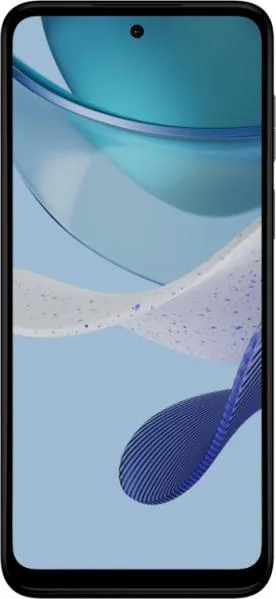
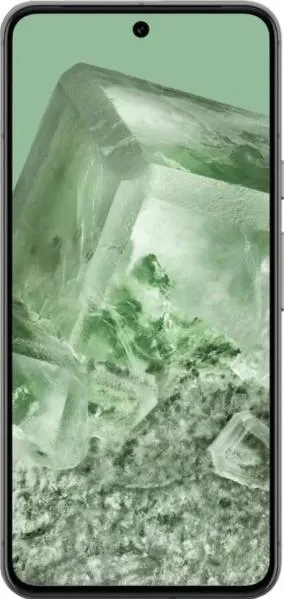
| Feature | Motorola Moto G (2023) | Google Pixel 8 | Practical Impact |
|---|---|---|---|
| Design | |||
| Dimensions (mm) | 164 x 75 x 8.4 | 150.5 x 70.8 x 8.9 | Pixel 8 is noticeably smaller and slightly thinner, making it more pocketable. Moto G is lighter despite larger size. |
| Weight (g) | 189 | 187 | Negligible weight difference in practical use. |
| Build Materials | Not specified | Not specified | Build quality and durability cannot be compared without further information. |
| Display | |||
| Display Type | IPS LCD, 120Hz | OLED, 120Hz, HDR10+ | Pixel 8's OLED offers deeper blacks, more vibrant colors, and better power efficiency. HDR10+ provides superior dynamic range for compatible content. |
| Display Size (inches) | 6.5 | 6.2 | Moto G has a slightly larger screen, offering more viewing area but potentially less comfortable one-handed use. |
| Resolution | 720 x 1600 | 1080 x 2400 | Pixel 8 has a significantly sharper display due to higher resolution, resulting in crisper text and images. |
| PPI | 270 | 428 | Pixel 8's higher PPI translates to a much sharper and more detailed image. Noticeable difference in clarity, especially for text and small details. |
| Peak Brightness | Not specified | 2000 nits | Pixel 8's higher peak brightness ensures better visibility in direct sunlight. Missing Moto G brightness limits comparison. |
| Performance | |||
| Chipset | Snapdragon 480+ 5G (8 nm) | Google Tensor G3 (4 nm) | Tensor G3 offers significantly faster CPU and GPU performance, enabling smoother multitasking, gaming, and AI processing. |
| CPU | Octa-core (2x2.2 GHz Kryo 460 & 6x1.8 GHz Kryo 460) | Nona-core (1x3.0 GHz Cortex-X3 & 4x2.45 GHz Cortex-A715 & 4x2.15 GHz Cortex-A510) | Pixel 8's more powerful and modern CPU architecture will deliver a much smoother and faster user experience. |
| RAM | 4GB | 8GB | Pixel 8's larger RAM allows for more apps to run in the background without performance slowdown. |
| OS | Android 13 | Android 14 | Pixel 8 comes with the latest Android version, offering newer features and longer software support. |
| Camera | |||
| Rear Camera | 48MP Main, 2MP Macro | 50MP Main, 12MP Wide Angle + Macro | Pixel 8 offers a superior camera system with a higher resolution main sensor and a dedicated wide-angle lens. |
| Front Camera | 8MP | 10.8MP | Pixel 8's higher resolution front camera will produce better quality selfies. |
| Video Recording | 1080p@30fps | Up to 4K@60fps with HDR, OIS, EIS | Pixel 8 offers significantly better video recording capabilities with higher resolution, frame rates, and stabilization. |
| Battery | |||
| Capacity | 5000 mAh | 4575 mAh | Moto G has a larger battery capacity, potentially offering longer battery life. However, real-world usage depends on other factors like display and chipset efficiency. |
2. Key Differences Analysis
Motorola Moto G (2023) Advantages:
- Larger Battery: Potentially longer battery life, though real-world performance depends on other factors.
- Slightly Larger Display: More screen real estate for viewing content.
Google Pixel 8 Advantages:
- Significantly Faster Performance: Smoother multitasking, gaming, and overall responsiveness.
- Superior Display: OLED technology delivers vibrant colors, deeper blacks, and HDR support. Higher resolution and PPI result in sharper visuals.
- Better Camera System: Higher resolution sensors, wide-angle lens, and advanced features like OIS and 4K video recording.
- Latest Software and Longer Support: Android 14 with guaranteed updates for several years.
- More Premium Features: NFC for contactless payments, faster USB 3.2, and under-display fingerprint sensor.
3. User Profiles & Recommendations
Motorola Moto G (2023): Budget-conscious users who prioritize basic functionality, long battery life, and a large screen for media consumption. Suitable for light tasks like browsing, social media, and casual gaming.
Google Pixel 8: Users who value performance, a high-quality camera, the latest software features, and a premium user experience. Suitable for demanding tasks, mobile photography, gaming, and users who want the best Android experience.
4. Decision Framework
Key Questions for Buyers:
- What is your budget? The Pixel 8 is significantly more expensive.
- What are your primary smartphone usage patterns? (e.g., social media, gaming, photography)
- How important are performance, camera quality, and software updates to you?
Scenario-Based Recommendations:
- Tight Budget, Basic Usage: Moto G (2023)
- Balanced Needs, Value for Money: Consider other mid-range options beyond these two.
- Performance and Camera Focused: Google Pixel 8
My Choice: Google Pixel 8
While the Moto G (2023) might offer longer battery life due to its larger battery, the Pixel 8 significantly outperforms it in almost every other aspect. The superior display, much faster performance, significantly better camera system, latest software with guaranteed updates, and premium features like NFC make the Pixel 8 a much more compelling device for me. Even though the price difference is substantial, the overall user experience offered by the Pixel 8 justifies the higher cost. The Moto G (2023) feels compromised in too many areas compared to the Pixel 8. I prioritize a smooth, responsive phone with a great camera and long-term software support, and the Pixel 8 delivers on those fronts.
