
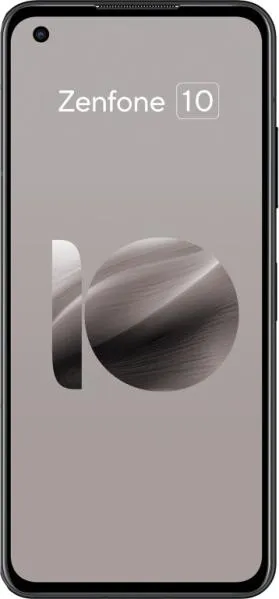
1. Specifications Comparison
| Feature | Motorola Moto G (2023) | Asus Zenfone 10 | Practical Impact |
|---|---|---|---|
| Design | |||
| Dimensions (mm) | 164 x 75 x 8.4 | 146.5 x 68.1 x 9.4 | Zenfone 10 is significantly smaller and more pocketable. |
| Weight (g) | 189 | 172 | Zenfone 10 is noticeably lighter for comfortable one-handed use. |
| Display | |||
| Display Type | IPS LCD, 120Hz | Super AMOLED, 144Hz, HDR10+ | Zenfone 10 offers superior contrast, vibrant colors, smoother motion, and HDR support for richer visuals. Moto G has a faster refresh rate than typical budget phones. |
| Size (inches) | 6.5 | 5.92 | Moto G has a larger display for media consumption, Zenfone 10 prioritizes one-handed usability. |
| Resolution | 720 x 1600 (270 ppi) | 1080 x 2400 (445 ppi) | Zenfone 10 boasts much sharper text and images due to higher resolution and pixel density. |
| Performance | |||
| Chipset | Snapdragon 480+ 5G (8 nm) | Snapdragon 8 Gen 2 (4 nm) | Zenfone 10 provides significantly faster processing, smoother multitasking, and better gaming performance. |
| CPU | Octa-core (2x2.2 GHz Kryo 460 & 6x1.8 GHz Kryo 460) | Octa-core (1x3.2 GHz Cortex-X3 & 2x2.8 GHz Cortex-A715 & 2x2.8 GHz Cortex-A710 & 3x2.0 GHz Cortex-A510) | Zenfone 10's flagship CPU offers a massive performance advantage for demanding tasks. |
| GPU | Adreno 619 | Adreno 740 | Zenfone 10's superior GPU handles graphically intensive games and applications with ease. |
| RAM | 4GB | 8GB/16GB | Zenfone 10 offers more RAM for smoother multitasking and background app management. |
| Camera | |||
| Main Camera | 48MP, f/1.7 | 50MP Sony IMX766, f/1.9, OIS, Gimbal Stabilization | Zenfone 10 uses a larger, higher-quality sensor with OIS and Gimbal for superior image quality, especially in low light, and significantly smoother video. |
| Selfie Camera | 8MP, f/2.0 | 32MP, f/2.5 | Zenfone 10 has a much higher resolution selfie camera. |
| Video Recording | 1080p@30fps | 8K@24fps, 4K@60fps | Zenfone 10 allows for significantly higher resolution video recording. |
| Battery | |||
| Capacity | 5000 mAh | 4300 mAh | Moto G has a larger battery capacity, potentially offering longer battery life despite its less efficient display. Real-world usage will vary. |
2. Key Differences Analysis
Motorola Moto G (2023) Advantages:
- Lower Price: Significantly more affordable.
- Larger Battery: Potentially longer battery life.
- Larger Display: More screen real estate for media.
Asus Zenfone 10 Advantages:
- Significantly Faster Performance: Flagship-level processing power for demanding tasks and gaming.
- Superior Display: AMOLED with HDR10+ for vibrant colors and deep blacks. Smoother refresh rate for a more responsive experience.
- Higher Quality Camera System: Better low-light performance, OIS and gimbal stabilization for video.
- More Compact Design: Easier one-handed use and portability.
- More Premium Features: NFC for mobile payments.
3. User Profiles & Recommendations
Motorola Moto G (2023):
- Ideal User: Budget-conscious users prioritizing basic functionality, long battery life, and a large screen. Suitable for casual web browsing, social media, and light gaming.
- Use Cases: Everyday communication, media consumption, basic productivity.
Asus Zenfone 10:
- Ideal User: Power users and enthusiasts who demand top-tier performance, a premium camera, and a compact form factor. Ideal for demanding gaming, mobile photography/videography, and multitasking.
- Use Cases: Mobile gaming, content creation, demanding productivity tasks.
4. Decision Framework
Key Questions for Buyers:
- What is your budget? The Moto G is a budget device, while the Zenfone 10 is a premium mid-ranger.
- What are your primary use cases? Basic tasks vs. demanding gaming/content creation.
- Do you prioritize size and portability or a larger display?
Scenario-Based Recommendations:
- Tight Budget, Basic Needs: Moto G (2023)
- Demanding User, Premium Experience: Asus Zenfone 10
My Choice: Asus Zenfone 10
While the Moto G (2023) offers excellent value for its price, the Asus Zenfone 10 is the clear winner for me. I prioritize performance, camera quality, and a smooth user experience, all of which the Zenfone 10 excels at. The compact form factor is also appealing. While the battery is smaller, the Snapdragon 8 Gen 2's efficiency could potentially offset this in real-world usage. The price difference is significant, but the Zenfone 10 provides a substantial upgrade in almost every aspect, justifying the premium for my needs. The significantly improved camera system, especially with its stabilization features, makes the Zenfone 10 much more versatile for content creation. Finally, future-proofing with the more powerful processor and longer software update commitment (up to Android 15) solidify the Zenfone 10 as the better long-term investment.
