1. Specifications Comparison
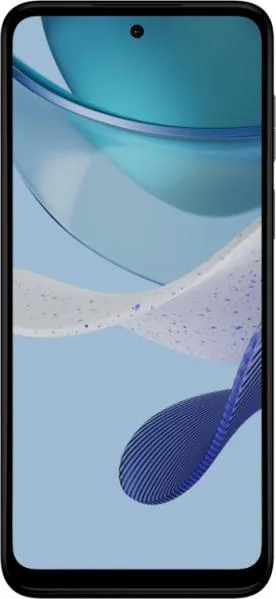
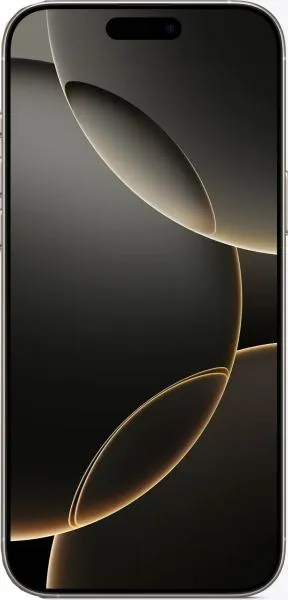
| Feature | Motorola Moto G (2023) | Apple iPhone 16 Pro Max | Practical Impact |
|---|---|---|---|
| Design | |||
| Dimensions (mm) | 164 x 75 x 8.4 | 163 x 77.6 x 8.3 | iPhone 16 Pro Max slightly wider but thinner. Negligible difference in hand feel. |
| Weight (g) | 189 | 227 | Moto G significantly lighter, reducing hand fatigue during extended use. |
| Build Material | Not specified | Not specified | Cannot compare build quality and durability without material information. |
| Display | |||
| Display Type | IPS LCD, 120Hz | LTPO Super Retina XDR OLED, 120Hz | iPhone with superior OLED: deeper blacks, vibrant colors, better power efficiency due to LTPO. |
| Display Size (inches) | 6.5 | 6.9 | iPhone with larger screen for more immersive content consumption. |
| Resolution | 720 x 1600 | 1320 x 2868 | Significantly sharper and more detailed visuals on the iPhone due to much higher resolution and pixel density. |
| PPI | 270 | 460 | iPhone with much higher pixel density, resulting in crisper text and images. |
| Peak Brightness | Not specified | 2000 nits | iPhone likely to offer better outdoor visibility with higher peak brightness. Missing Moto G spec limits comparison. |
| Performance | |||
| Chipset | Snapdragon 480+ 5G | Apple A18 Pro | A18 Pro significantly more powerful, enabling smoother multitasking, faster app loading, and better gaming performance. |
| CPU | Octa-core (2x2.2 GHz & 6x1.8 GHz) | Hexa-core (2x4.05 GHz & 4x2.42 GHz) | A18 Pro boasts higher clock speeds, translating to significantly faster processing. |
| GPU | Adreno 619 | Apple GPU (6-core) | Apple GPU expected to deliver significantly better graphics performance for demanding games and applications. |
| RAM | 4GB | 8GB | More RAM in iPhone allows for more apps to run in the background without performance slowdowns. |
| Camera | |||
| Rear Camera | 48MP Main + 2MP Macro | 48MP Main + 48MP Ultrawide + 12MP Telephoto + ToF 3D | iPhone offers more versatile camera system with ultrawide, telephoto, and depth sensing capabilities. |
| Front Camera | 8MP | 12MP | Higher resolution selfie camera on the iPhone. |
| Video Recording | 1080p@30fps | Up to 4K@120fps with HDR | iPhone capable of recording significantly higher resolution and frame rate video with HDR. |
| Battery | |||
| Capacity | 5000 mAh | 4685 mAh | Moto G with larger battery capacity; however, real-world battery life depends on optimization and usage patterns. |
2. Key Differences Analysis
Motorola Moto G (2023) Advantages:
- Lower Price: Significantly more affordable.
- Lighter Weight: More comfortable for extended use.
- Potentially Longer Battery Life: Larger battery capacity, although real-world usage may vary.
Apple iPhone 16 Pro Max Advantages:
- Superior Performance: Much faster processor and GPU for smoother overall experience.
- High-Quality Display: OLED display with higher resolution, better colors, and HDR support.
- More Versatile Camera System: Includes ultrawide, telephoto, and depth-sensing capabilities.
- Premium Features: NFC, advanced connectivity options, and potential for longer software support.
Trade-offs:
- The Moto G sacrifices performance, display quality, and camera versatility for affordability.
- The iPhone 16 Pro Max comes at a premium price.
3. User Profiles & Recommendations
Motorola Moto G (2023):
- Budget-conscious users: Prioritize affordability over top-tier specs.
- Basic smartphone users: Primarily use phone for calling, texting, social media, and light web browsing.
Apple iPhone 16 Pro Max:
- Power users: Demand top-tier performance for demanding tasks, gaming, and multitasking.
- Content creators: Utilize advanced camera features for photography and videography.
- Tech enthusiasts: Value the latest technology and premium features.
4. Decision Framework
Key Questions:
- What is your budget?
- What are your primary smartphone usage patterns?
- What features are most important to you (e.g., performance, camera, display)?
Scenario-Based Recommendations:
- Limited Budget: Moto G (2023)
- Balanced Needs: Consider upper-midrange alternatives offering better value than the Moto G, but not as expensive as the iPhone.
- Demanding User/Content Creator: iPhone 16 Pro Max
My Choice: Apple iPhone 16 Pro Max
While the Motorola Moto G (2023) offers a budget-friendly option, the iPhone 16 Pro Max aligns better with my needs and priorities. I value a smooth and responsive user experience, which the A18 Pro chip and 8GB RAM guarantee. The superior display and camera system are also crucial for my media consumption and occasional content creation. While the price is high, the significant performance and feature upgrades justify the investment for a long-term, premium smartphone experience. The longer software support lifecycle of iPhones is also a significant factor in my decision.
