1. Specifications Comparison
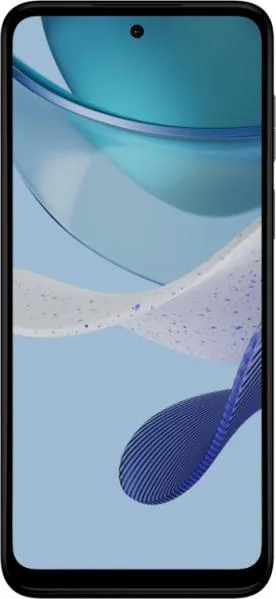
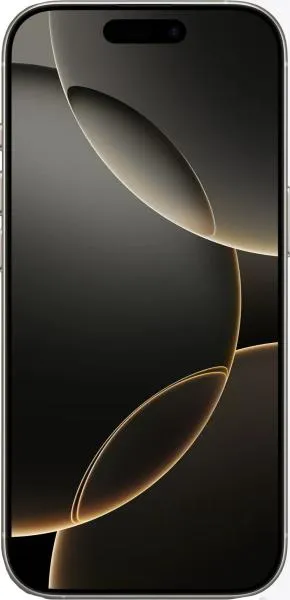
| Feature | Motorola Moto G (2023) | Apple iPhone 16 Pro | Practical Impact |
|---|---|---|---|
| Design | |||
| Dimensions (mm) | 164 x 75 x 8.4 | 149.6 x 71.5 x 8.3 | iPhone 16 Pro is noticeably smaller and potentially more pocketable. |
| Weight (g) | 189 | 199 | Negligible weight difference in real-world usage. |
| Build Material | Not specified | Not specified | Cannot compare build quality and durability. |
| Display | |||
| Display Type | IPS LCD, 120Hz | LTPO Super Retina XDR OLED, 120Hz | iPhone's OLED offers significantly better contrast, colors, and power efficiency due to LTPO. |
| Display Size (inches) | 6.5 | 6.3 | Slight size difference; Moto G 2023 offers marginally larger screen real estate. |
| Resolution | 720 x 1600 | 1206 x 2622 | iPhone boasts much sharper visuals due to higher resolution and pixel density. |
| PPI | 270 | 460 | Text and images will be significantly sharper and clearer on the iPhone. |
| Peak Brightness | Not specified | 2000 nits | iPhone 16 Pro will offer superior outdoor visibility. |
| Performance | |||
| Chipset | Snapdragon 480+ 5G | Apple A18 Pro | A18 Pro offers drastically faster processing speeds and graphics performance for demanding tasks and gaming. |
| CPU | Octa-core (2x2.2 GHz & 6x1.8 GHz) | Hexa-core (2x4.05 GHz & 4x2.42 GHz) | iPhone's A18 Pro boasts significantly higher clock speeds, resulting in a much smoother and more responsive user experience. |
| GPU | Adreno 619 | Apple GPU (6-core) | iPhone will have a significant advantage in gaming and graphics-intensive applications. |
| RAM | 4GB | 8GB | iPhone's larger RAM allows for smoother multitasking and handling more demanding applications. |
| Camera | |||
| Rear Camera | 48MP Main, 2MP Macro | 48MP Main, 48MP Ultrawide, 12MP Telephoto | iPhone offers significantly more versatile camera setup with ultrawide and telephoto lenses. |
| Front Camera | 8MP | 12MP | iPhone's front camera will likely produce higher quality selfies. |
| Video Recording | 1080p@30fps | Up to 4K@120fps with HDR | iPhone offers superior video recording capabilities with higher resolution, frame rates, and HDR support. |
| Battery | |||
| Capacity | 5000 mAh | 3582 mAh | Moto G 2023 has a larger battery capacity, but real-world battery life depends on optimization; iPhone's LTPO display may offset capacity difference. |
| Charging Speed | Not specified | Not specified | Cannot compare charging speeds. |
2. Key Differences Analysis
Motorola Moto G (2023) Advantages:
- Larger Battery Capacity: Potentially longer battery life, although real-world usage will vary.
- Lower Price: Significantly more affordable.
Apple iPhone 16 Pro Advantages:
- Superior Performance: Significantly faster processor and graphics for smoother performance and gaming.
- Higher Quality Display: OLED with higher resolution, brightness, and better color accuracy.
- More Versatile Camera System: Ultrawide and telephoto lenses offer greater creative flexibility.
- Advanced Features: Dolby Vision, Face ID, WiFi 7, and more.
Trade-offs:
- The Moto G 2023 sacrifices performance, display quality, and camera versatility for affordability.
- The iPhone 16 Pro commands a premium price for its advanced features and performance.
3. User Profiles & Recommendations
Moto G (2023): Budget-conscious users who prioritize basic functionality, long battery life, and affordability over high-end features. Ideal for:
- Casual users primarily using social media, browsing, and making calls.
- Users on a tight budget.
- Users who prioritize battery life.
iPhone 16 Pro: Users who demand top-tier performance, a premium display, a versatile camera system, and the latest features. Ideal for:
- Power users who multitask heavily, play demanding games, and use resource-intensive apps.
- Content creators who need a high-quality camera for photos and videos.
- Users who prioritize a premium user experience and the latest technology.
4. Decision Framework
Key Questions for Buyers:
- What is your budget? The price difference is significant.
- What are your primary smartphone usage patterns? (e.g., social media, gaming, photography).
- Which features are most important to you? (e.g., battery life, performance, camera quality).
My Choice: Apple iPhone 16 Pro
While the Motorola Moto G (2023) offers excellent value for its price, I would choose the Apple iPhone 16 Pro. The significantly superior performance, stunning display, versatile camera system, and advanced features justify the higher price for my needs. I prioritize a smooth and responsive user experience, a high-quality display for consuming media, and a capable camera for capturing photos and videos. While battery life is a concern, the iPhone's efficiency and optimization often offset smaller battery capacities in real-world usage. The long-term software support provided by Apple also adds value. The Moto G (2023) is a great budget option, but the iPhone 16 Pro offers a significantly better overall experience for my usage patterns.
