1. Specifications Comparison
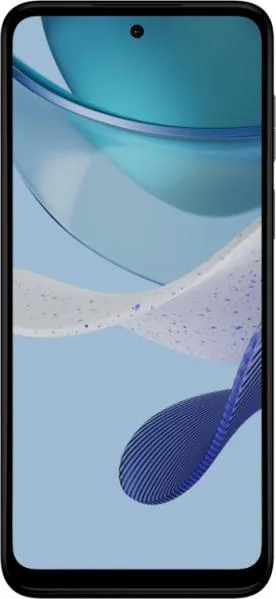
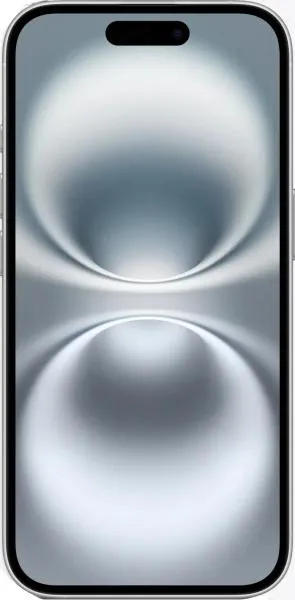
| Feature | Motorola Moto G (2023) | Apple iPhone 16 | Practical Impact |
|---|---|---|---|
| Design | |||
| Dimensions (mm) | 164 x 75 x 8.4 | 147.6 x 71.6 x 7.8 | iPhone 16 is significantly smaller and thinner, making it more pocketable. |
| Weight (g) | 189 | 170 | iPhone 16 is noticeably lighter, improving one-handed use. |
| Build Material | Not specified | Not specified | Cannot compare without information. |
| Display | |||
| Display Type | IPS LCD, 120Hz | Super Retina XDR OLED | iPhone 16's OLED offers superior contrast, deeper blacks, and potentially higher brightness. Moto G's 120Hz may provide smoother scrolling. |
| Display Size (inches) | 6.5 | 6.1 | Moto G offers a larger screen for media consumption, while the iPhone 16 is more compact. |
| Resolution | 720 x 1600 | 1179 x 2556 | iPhone 16 has a much sharper display with higher pixel density (460 ppi vs 270 ppi), resulting in crisper text and images. |
| HDR | No | Dolby Vision, HDR10 | iPhone 16 supports HDR content, offering a wider dynamic range and more vibrant colors in compatible videos and photos. |
| Performance | |||
| Chipset | Snapdragon 480+ 5G | Apple A18 | Apple A18 is significantly more powerful, enabling faster app loading, smoother multitasking, and better gaming performance. |
| CPU | Octa-core (2x2.2 GHz & 6x1.8 GHz) | Hexa-core (2x4.04 GHz & 4x2.20 GHz) | iPhone 16's CPU has higher clock speeds and architectural advantages, translating to significantly faster performance. |
| GPU | Adreno 619 | Apple GPU (5-core) | Apple's custom GPU offers superior graphics performance for demanding games and applications. |
| RAM | 4GB | 8GB | iPhone 16's larger RAM allows for more apps to run in the background without performance slowdown. |
| Camera | |||
| Main Camera | 48MP | 48MP | Resolution is similar, but sensor size and other factors likely differ, affecting image quality. iPhone's advanced image processing usually results in better photos. |
| Ultrawide | Not specified | 12MP | iPhone 16 offers an ultrawide lens for capturing wider scenes. |
| Video Recording | 1080p@30fps | Up to 4K@60fps with HDR | iPhone 16 offers significantly higher resolution and frame rate video recording capabilities with HDR. |
| Battery | |||
| Capacity | 5000 mAh | 3561 mAh | Moto G has a larger battery capacity, potentially offering longer battery life. However, real-world usage depends on software optimization and usage patterns. |
2. Key Differences Analysis
Motorola Moto G (2023) Advantages:
- Larger Battery: Potentially longer battery life.
- Larger Display: More screen real estate for media consumption.
- Higher Refresh Rate Display: Potentially smoother scrolling and animations.
- Lower Price: Expected to be more affordable than the iPhone 16.
Apple iPhone 16 Advantages:
- Significantly Faster Performance: A18 chip offers a substantial performance advantage for demanding tasks and gaming.
- Superior Display Quality: OLED technology with HDR support provides richer colors and deeper blacks.
- Higher Resolution Display: Sharper images and text.
- Advanced Camera System: Higher quality image and video capture capabilities, including ultrawide lens and better low-light performance (expected based on Apple's history).
- Premium Features: NFC for mobile payments, more advanced software features, and longer software support.
Trade-offs:
- Battery Life vs. Performance: Moto G prioritizes battery capacity, while iPhone 16 focuses on performance.
- Price vs. Features: Moto G offers a lower price but compromises on performance, display quality, and camera features.
3. User Profiles & Recommendations
Moto G (2023): Budget-conscious users prioritizing battery life and basic smartphone functionality. Ideal for:
- Casual users primarily using social media, browsing, and light gaming.
- Users needing a long-lasting battery.
- Students or seniors on a budget.
iPhone 16: Users prioritizing performance, premium features, a high-quality camera, and a vibrant display. Ideal for:
- Power users demanding smooth multitasking and fast app loading.
- Mobile gamers.
- Content creators capturing photos and videos.
- Users valuing software updates and ecosystem integration.
4. Decision Framework
Key Questions:
- What is your budget? The Moto G is a budget-friendly option, while the iPhone 16 is a premium device.
- What are your primary smartphone needs? Prioritize battery life or performance? Casual use or demanding tasks?
- Which operating system do you prefer? Android or iOS?
Scenario-Based Recommendations:
- Limited Budget, Basic Needs: Moto G (2023)
- Power User, Demanding Tasks, Premium Experience: iPhone 16
My Choice: Apple iPhone 16
While the Moto G (2023) offers a larger battery and lower price, the iPhone 16's significant advantages in performance, display quality, camera capabilities, and overall user experience make it the clear winner for me. I prioritize a smooth and responsive user interface, high-quality photos and videos, and access to a robust app ecosystem. The longer software support offered by Apple is also a crucial factor. While battery life is important, the superior performance and efficiency of the A18 chip likely mitigate the difference in battery capacity in real-world usage. I am willing to pay a premium for the significantly better overall experience offered by the iPhone 16.
