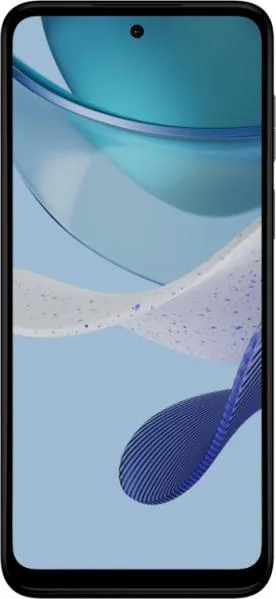
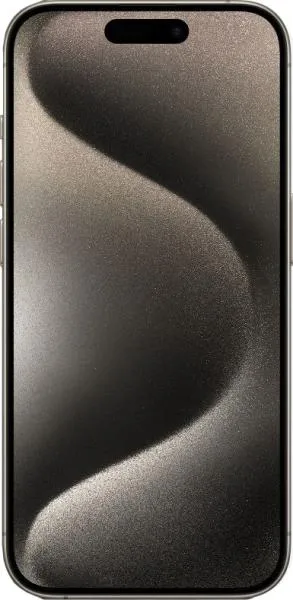
1. Specifications Comparison
| Feature | Motorola Moto G (2023) | Apple iPhone 15 Pro | Practical Impact |
|---|---|---|---|
| Design | |||
| Dimensions (mm) | 164 x 75 x 8.4 | 146.6 x 70.6 x 8.3 | iPhone 15 Pro is significantly smaller and more pocketable. |
| Weight (g) | 189 | 187 | Negligible weight difference. |
| Build Materials | Not specified | Titanium frame, textured matte glass back | iPhone 15 Pro offers a more premium and durable build. |
| Display | |||
| Display Type | IPS LCD, 120Hz | LTPO Super Retina XDR OLED, 120Hz | iPhone boasts superior contrast, color accuracy, and brightness with its OLED technology. LTPO allows for dynamic refresh rate adjustment, saving battery. |
| Display Size (inches) | 6.5 | 6.1 | Moto G has a larger screen for media consumption, but iPhone's smaller size aids one-handed use. |
| Resolution | 720 x 1600 (270 ppi) | 1179 x 2556 (461 ppi) | iPhone 15 Pro offers significantly sharper and more detailed visuals. |
| HDR | No | Dolby Vision, HDR10 | iPhone supports HDR content for a more dynamic viewing experience. |
| Performance | |||
| Chipset | Snapdragon 480+ 5G | Apple A17 Pro | A17 Pro offers vastly superior processing power and graphics performance for demanding tasks and gaming. |
| CPU | Octa-core (2x2.2 GHz & 6x1.8 GHz) | Hexa-core (2x3.78 GHz + 4x2.11 GHz) | iPhone 15 Pro will handle multitasking and complex applications much faster and smoother. |
| RAM | 4GB | 8GB | More RAM on the iPhone allows for better multitasking and app switching. |
| OS | Android 13 | iOS 17 | Different operating systems cater to different user preferences and ecosystems. |
| Camera | |||
| Rear Camera | 48MP Main, 2MP Macro | 48MP Main, 12MP Ultrawide, 12MP Telephoto | iPhone offers greater versatility with its triple-camera system, including optical zoom and ultrawide capabilities. |
| Front Camera | 8MP | 12MP with TrueDepth | iPhone provides a higher resolution front camera with advanced depth sensing for Face ID. |
| Video Recording | 1080p@30fps | Up to 4K@60fps with Dolby Vision HDR | iPhone offers superior video recording capabilities with higher resolution, frame rates, and HDR support. |
| Battery | |||
| Capacity (mAh) | 5000 | 3274 | Moto G has a larger battery capacity, potentially offering longer battery life despite the less efficient LCD. iPhone's LTPO display mitigates smaller battery capacity somewhat. |
| Charging Speed | Not Specified | Fast charging supported (specifics not provided) | Without specific charging speeds, a direct comparison is not possible. |
2. Key Differences Analysis
Motorola Moto G (2023) Advantages:
- Lower Price: Significantly more affordable.
- Larger Battery: Potentially longer battery life.
- Larger Display: More immersive for media consumption.
Apple iPhone 15 Pro Advantages:
- Superior Performance: Significantly faster processor and graphics.
- Premium Build Quality: Durable titanium frame and high-quality materials.
- Advanced Camera System: More versatile with triple lenses and higher quality output.
- Sharper Display: Higher resolution and OLED technology for vibrant visuals.
- Stronger Ecosystem: Seamless integration with other Apple devices and services.
3. User Profiles & Recommendations
Moto G (2023): Budget-conscious users prioritizing basic communication, web browsing, and casual media consumption. Suitable for users who value battery life and a large screen.
iPhone 15 Pro: Users who demand top-tier performance, a premium experience, and cutting-edge features like advanced photography and videography capabilities. Ideal for power users, gamers, and content creators.
4. Decision Framework
Key Questions for Buyers:
- What is your budget? The Moto G is a budget option, while the iPhone 15 Pro is a premium device.
- What are your primary smartphone usage patterns? Basic tasks vs. demanding applications and content creation.
- Which operating system do you prefer? Android vs. iOS ecosystem.
Scenario-Based Recommendations:
- Limited Budget: Moto G (2023)
- Best Camera: iPhone 15 Pro
- Best Performance: iPhone 15 Pro
- Longest Battery Life: Potentially Moto G (2023), but needs real-world testing to confirm.
My Choice: Apple iPhone 15 Pro
While the Moto G (2023) offers excellent value for its price, the iPhone 15 Pro is the clear winner for me. The significantly improved performance, superior camera system, vibrant display, and premium build quality are compelling. While the battery capacity is smaller, the A17 Pro chip's efficiency and LTPO display should mitigate concerns. The robust iOS ecosystem and consistent software updates further solidify my choice. As a tech enthusiast who values a smooth, powerful, and feature-rich experience, the iPhone 15 Pro aligns perfectly with my needs, justifying the higher price.
