1. Specifications Comparison
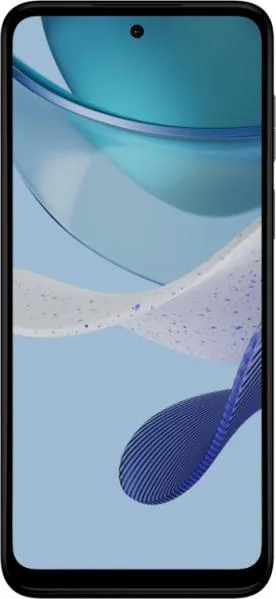
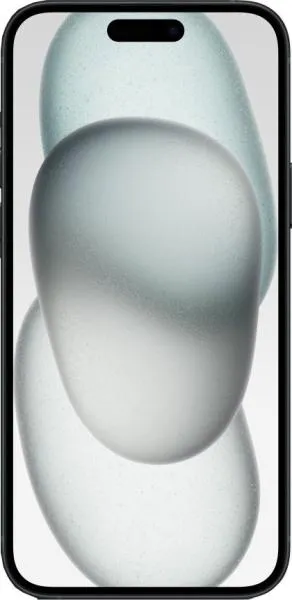
| Feature | Motorola Moto G (2023) | Apple iPhone 15 Plus | Practical Impact |
|---|---|---|---|
| Design | |||
| Dimensions (mm) | 164 x 75 x 8.4 | 160.9 x 77.8 x 7.8 | iPhone 15 Plus is slightly shorter, narrower, and significantly thinner. |
| Weight (g) | 189 | 201 | Moto G is noticeably lighter. |
| Build Materials | Not specified | Not specified | Build quality comparison is not possible without material information. |
| Display | |||
| Display Type | IPS LCD, 120Hz | Super Retina XDR OLED | iPhone has a superior display with richer colors, deeper blacks, and higher brightness. Moto G's 120Hz may offer smoother scrolling. |
| Display Size (inches) | 6.5 | 6.7 | iPhone has a slightly larger screen. |
| Resolution | 720 x 1600 | 1290 x 2796 | iPhone has a much sharper display with significantly higher pixel density (270 ppi vs 460 ppi). |
| HDR | No | Dolby Vision, HDR10 | iPhone supports HDR content for a more dynamic viewing experience. |
| Performance | |||
| Chipset | Snapdragon 480+ 5G | Apple A16 Bionic | A16 is significantly more powerful, resulting in much faster performance for demanding tasks and gaming. |
| CPU | Octa-core (2x2.2 GHz Kryo 460 & 6x1.8 GHz Kryo 460) | Hexa-core (2x3.46 GHz Everest + 4x2.02 GHz Sawtooth) | iPhone's CPU offers superior performance due to higher clock speeds and architecture. |
| GPU | Adreno 619 | Apple GPU (5-core) | iPhone's GPU provides considerably better graphics performance for gaming and visually intensive applications. |
| RAM | 4GB | 6GB | iPhone has more RAM, enabling better multitasking and smoother performance with multiple apps. |
| Camera | |||
| Main Camera (MP) | 48 | 48 | While both have the same resolution, the iPhone's sensor and image processing likely result in superior image quality. |
| Video Recording | 1080p@30fps | Up to 4K@60fps with HDR | iPhone offers significantly better video recording capabilities with higher resolution, frame rates, and HDR support. |
| Battery | |||
| Capacity (mAh) | 5000 | 4383 | Moto G has a larger battery capacity, potentially offering longer battery life. However, real-world usage depends on optimization. |
2. Key Differences Analysis
Motorola Moto G (2023) Advantages:
- Lower Price: Significantly more affordable.
- Larger Battery: Potentially longer battery life, although real-world performance depends on software optimization.
- Lighter Weight: More comfortable for extended use.
- Higher Refresh Rate Display: Potentially smoother scrolling experience, but at a lower resolution.
Apple iPhone 15 Plus Advantages:
- Significantly Superior Performance: A16 Bionic chip offers a vastly smoother and faster user experience.
- Much Better Display: OLED technology, higher resolution, HDR support provide a far superior visual experience.
- Advanced Camera System: Better image quality, more versatile video recording capabilities, including 4K and HDR.
- Premium Ecosystem: Seamless integration with other Apple devices and services.
- Longer Software Support: Apple typically provides software updates for longer than Android manufacturers.
Trade-offs:
- Price: The iPhone 15 Plus is considerably more expensive.
- Battery Life: While the Moto G has a larger battery, Apple's optimization could result in comparable or better real-world battery life.
3. User Profiles & Recommendations
Motorola Moto G (2023):
- Budget-conscious users: Prioritize affordability over top-tier specs.
- Basic smartphone users: Primarily use their phone for calling, texting, social media, and light web browsing.
- Users who prioritize battery life: A large battery capacity is a primary concern.
Apple iPhone 15 Plus:
- Users who demand high performance: For gaming, demanding applications, and a smooth user experience.
- Content creators: Need high-quality cameras for photos and videos.
- Users who value display quality: Prioritize a vibrant and sharp screen for media consumption.
- Users invested in the Apple ecosystem: Seek seamless integration with other Apple devices.
4. Decision Framework
Key Questions for Buyers:
- What is your budget? The price difference is significant.
- What are your primary smartphone usage patterns? (e.g., basic communication, gaming, content creation)
- How important are performance, display quality, and camera capabilities?
Scenario-Based Recommendations:
- Limited Budget, Basic Use: Moto G (2023)
- Demanding User, Value Performance and Ecosystem: iPhone 15 Plus
- Content Creator, Prioritize Camera and Display: iPhone 15 Plus
My Choice: Apple iPhone 15 Plus
While the Moto G (2023) offers good value for its price, the iPhone 15 Plus's superior performance, display, camera, and ecosystem make it the better choice for me. I prioritize a smooth and responsive user experience, a high-quality display for media consumption, and a capable camera system. The longer software support offered by Apple is also a significant factor. Although the price is higher, the overall user experience and long-term value justify the investment. The A16 Bionic chip's substantial performance advantage ensures the phone will remain capable for years to come. The significantly improved display and camera are also crucial for my daily usage. While battery life is a concern, Apple's optimization often mitigates the difference in raw capacity.
