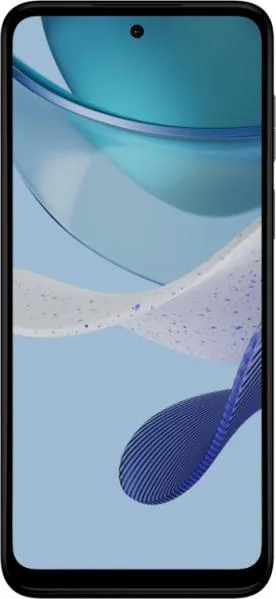

1. Specifications Comparison
| Feature | Motorola Moto G (2023) | Apple iPhone 15 | Practical Impact |
|---|---|---|---|
| Design | |||
| Dimensions (mm) | 164 x 75 x 8.4 | 147.6 x 71.6 x 7.8 | iPhone 15 is noticeably smaller and thinner, making it more pocketable. |
| Weight (g) | 189 | 171 | iPhone 15 is lighter, contributing to better one-handed use. |
| Build Materials | Not specified | Not specified | Cannot compare build quality without material information. |
| Display | |||
| Display Type | IPS LCD, 120Hz | Super Retina XDR OLED | iPhone 15's OLED offers superior contrast, deeper blacks, and potentially higher brightness. The 120Hz on the Moto G will result in smoother scrolling and animations, but might impact battery life more than a variable refresh rate OLED. |
| Display Size (inches) | 6.5 | 6.1 | Moto G has a larger screen for media consumption, but may be less comfortable for one-handed use. |
| Resolution (px) | 720 x 1600 | 1179 x 2556 | iPhone 15 has a significantly sharper display with higher pixel density (461 ppi vs 270 ppi), resulting in crisper text and images. |
| Peak Brightness (nits) | Not specified | 2000 | iPhone 15's higher peak brightness ensures better visibility in direct sunlight. Missing Moto G brightness limits comparison. |
| Performance | |||
| Chipset | Snapdragon 480+ 5G (8 nm) | Apple A16 Bionic (4 nm) | A16 is a significantly more powerful chip, offering much faster performance in demanding tasks and gaming. |
| CPU | Octa-core (2x2.2 GHz & 6x1.8 GHz) | Hexa-core (2x3.46 GHz & 4x2.02 GHz) | iPhone 15 will handle multitasking and demanding applications much more smoothly. |
| GPU | Adreno 619 | Apple GPU (5-core) | iPhone 15 will offer a superior gaming experience with higher frame rates and detail. |
| RAM (GB) | 4 | 6 | More RAM in iPhone 15 allows for smoother multitasking and app switching. |
| Camera | |||
| Main Camera (MP) | 48 | 48 | Similar resolution, but sensor size and other factors not specified for Moto G, making detailed comparison impossible. iPhone features a larger sensor (1/1.5") and wider aperture (f/1.6). |
| Video Recording | 1080p@30fps | Up to 4K@60fps with HDR | iPhone 15 offers significantly better video recording capabilities with higher resolution, frame rates, and HDR support. |
| Battery | |||
| Capacity (mAh) | 5000 | 3349 | Moto G has a larger battery capacity, potentially offering longer battery life. However, real-world usage depends on numerous factors including display type and processor efficiency. |
2. Key Differences Analysis
Motorola Moto G (2023) Advantages:
- Larger Battery: Potentially longer battery life.
- Higher Refresh Rate Display: Smoother scrolling and animations (though at lower resolution).
- Lower Price: Expected given the specifications.
Apple iPhone 15 Advantages:
- Significantly Faster Performance: A16 Bionic chip offers a substantial performance advantage.
- Superior Display: OLED technology with higher resolution, brightness, and HDR support.
- Better Camera System: Higher quality sensors, wider aperture, and advanced video recording capabilities.
- Premium Build Quality: While materials aren't specified, iPhones generally boast superior build quality.
- Software Updates: Apple provides longer software update support.
Trade-offs:
- Moto G: Lower performance, display quality, and camera capabilities for a lower price.
- iPhone 15: Smaller battery capacity and significantly higher price for premium features and performance.
3. User Profiles & Recommendations
Motorola Moto G (2023): Budget-conscious users prioritizing basic functionality: calling, texting, web browsing, and light media consumption. Students, casual users, or those seeking a secondary device.
Apple iPhone 15: Users prioritizing performance, premium experience, high-quality camera, and consistent software updates. Mobile gamers, content creators, power users, and those heavily reliant on their smartphones.
4. Decision Framework
Key Questions:
- What is your budget? The iPhone 15 is significantly more expensive.
- What are your primary smartphone usage patterns? Basic tasks vs. demanding applications and gaming.
- How important are camera quality, display quality, and performance?
My Choice: Apple iPhone 15
While the Moto G (2023) offers a larger battery and lower price, the iPhone 15's superior performance, display, camera, and long-term software support make it a significantly more compelling device for my needs. I prioritize a smooth and responsive user experience, high-quality visuals, and the ability to run demanding applications without lag. The A16 Bionic chip's substantial performance advantage, coupled with the brilliant OLED display and advanced camera system, outweigh the benefits of the Moto G's larger battery and lower cost. While battery life is a concern, optimized software and power management in iOS often mitigate the difference in raw capacity. The higher initial investment in the iPhone 15 is justified by its longevity, performance, and overall user experience.
