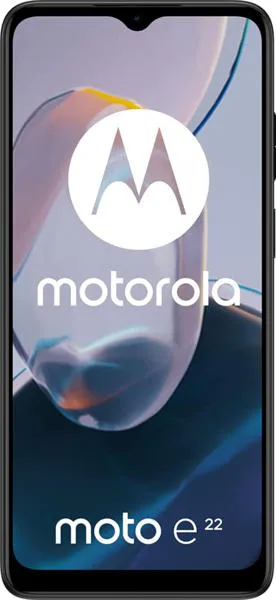
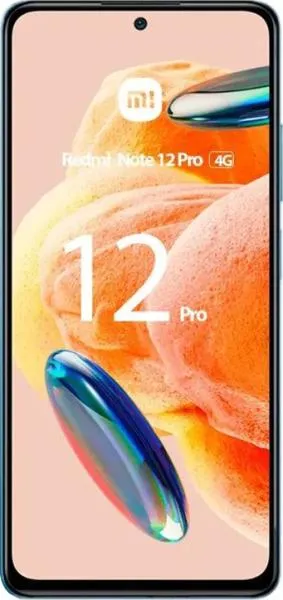
Motorola Moto E22 vs. Xiaomi Redmi Note 12 Pro 4G: A Deep Dive
Let's cut through the marketing fluff and delve into the real-world implications of choosing between the Motorola Moto E22 and the Xiaomi Redmi Note 12 Pro 4G. As a tech journalist with an engineering background, I'll break down the specs, highlight key differences, and help you decide which phone fits your needs.
1. Specifications Breakdown
| Feature | Motorola Moto E22 | Xiaomi Redmi Note 12 Pro 4G | Real-World Implications |
|---|---|---|---|
| Design | |||
| Dimensions (mm) | 163.6 x 74.7 x 8 | 164.2 x 76.1 x 8.1 | Redmi Note 12 Pro is slightly larger and heavier. |
| Weight (g) | 169 | 201.8 | Noticeable difference in hand feel; Moto E22 is more pocketable. |
| Display | |||
| Type | IPS LCD, 90Hz | AMOLED, 120Hz, Dolby Vision | Redmi Note 12 Pro offers richer colors, deeper blacks, smoother scrolling, and HDR support for vibrant visuals. |
| Size | 6.5" | 6.67" | Redmi Note 12 Pro provides a slightly larger screen for media consumption. |
| Resolution | 720 x 1600 | 1080 x 2400 | Significantly sharper and more detailed visuals on the Redmi Note 12 Pro. Moto E22's display is noticeably less crisp. |
| Performance | |||
| Chipset | Helio G37 | Snapdragon 732G | Redmi Note 12 Pro boasts significantly better CPU and GPU performance, leading to smoother multitasking and gaming. |
| CPU | Octa-core 2.3 GHz | Octa-core 2.2 GHz | While clock speeds are similar, the Snapdragon 732G's architecture is more powerful and efficient. |
| RAM | 3/4GB | 8GB | More RAM on the Redmi Note 12 Pro ensures smoother multitasking and app switching. |
| Camera | |||
| Main Camera | 16MP | 108MP | Redmi Note 12 Pro offers higher resolution and potentially better detail, but real-world performance depends on processing. |
| Video | 1080p@30fps | 4K@30fps | Redmi Note 12 Pro allows for higher resolution video recording. |
| Battery Life | |||
| Capacity | 4020 mAh | 5000 mAh | Redmi Note 12 Pro likely offers longer battery life due to its larger capacity and potentially better power efficiency. |
2. Key Insights
The Redmi Note 12 Pro 4G is the clear winner in terms of performance, display, and camera capabilities. Its AMOLED display, powerful Snapdragon processor, and ample RAM provide a superior user experience for gaming, multimedia, and multitasking. The 108MP camera, while not guaranteeing superior photos, offers more versatility.
The Moto E22, however, shines in its simplicity and affordability. It's a lightweight, budget-friendly option for basic tasks like calling, texting, and web browsing. Its smaller size and lighter weight might appeal to users who prioritize portability.
3. User Profiles and Recommendations
Redmi Note 12 Pro 4G: Ideal for users who demand a smooth, responsive experience for gaming, photography, and multimedia consumption. Power users, content creators, and mobile photographers will appreciate its capabilities.
Moto E22: Best suited for budget-conscious users who prioritize basic functionality and portability. It's a great option for students, seniors, or anyone looking for a simple, reliable secondary device.
4. Buying Decision Framework
- What's your budget? The Moto E22 is significantly cheaper.
- What are your primary use cases? Gaming, photography, and multimedia? Redmi Note 12 Pro. Basic communication and web browsing? Moto E22.
- Do you prioritize performance or portability? Redmi Note 12 Pro offers better performance, while the Moto E22 is more compact and lightweight.
My Choice: Xiaomi Redmi Note 12 Pro 4G
While the Moto E22 has its merits in terms of price and portability, I would choose the Redmi Note 12 Pro 4G. The significantly improved display, performance, and camera capabilities outweigh the price difference for me. I value a smooth and responsive user experience, especially for multitasking and media consumption. The AMOLED display's vibrant colors and HDR support are a huge plus. While I appreciate the Moto E22's simplicity, the Redmi Note 12 Pro 4G offers a more future-proof and enjoyable overall experience. The jump in performance and visual quality is substantial enough to justify the additional cost.
