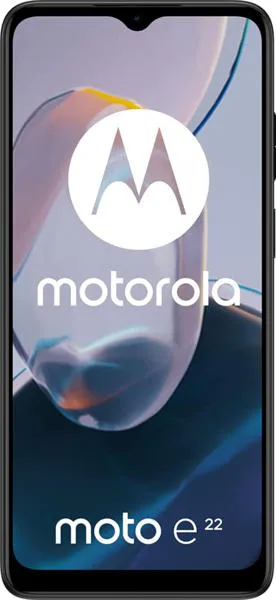
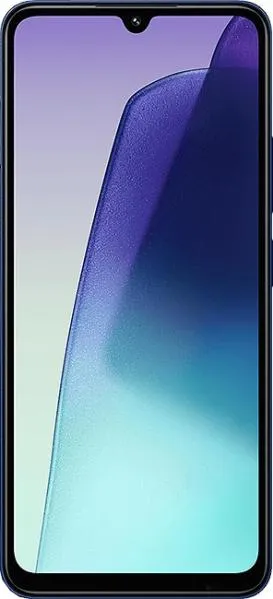
Motorola Moto E22 vs. Xiaomi Redmi 14C: A Deep Dive
Let's dissect the Motorola Moto E22 and the Xiaomi Redmi 14C, two contenders in the mid-range smartphone arena. We'll go beyond the spec sheet to uncover what these numbers truly mean for your daily life.
1. Specifications Breakdown
| Feature | Motorola Moto E22 | Xiaomi Redmi 14C | Real-World Implications |
|---|---|---|---|
| Design | |||
| Dimensions (mm) | 163.6 x 74.7 x 8 | 171.9 x 77.8 x 8.2 | Redmi 14C is noticeably larger and heavier. Moto E22 is more pocketable. |
| Weight (g) | 169 | 211 | Redmi 14C's weight might be noticeable during extended use. |
| Display | |||
| Size (inches) | 6.5 | 6.88 | Redmi 14C offers a larger screen for media consumption, but one-handed use might be challenging. |
| Resolution (px) | 720 x 1600 | 720 x 1640 | Negligible difference in sharpness. Both are adequate for everyday use, but not exceptionally crisp. |
| Refresh Rate (Hz) | 90 | 120 | Redmi 14C's 120Hz display will feel significantly smoother for scrolling and gaming. |
| Type | IPS LCD | IPS LCD | Expect good color reproduction and viewing angles from both, but not the deep blacks of OLED. |
| Performance | |||
| Chipset | Helio G37 | Helio G81 Ultra | Redmi 14C boasts a more powerful processor with better CPU and GPU performance, leading to smoother multitasking. |
| CPU | Octa-core 2.3 GHz | Octa-core 2.0 GHz | While Redmi 14C has faster individual cores, both phones will handle everyday tasks adequately. |
| RAM (GB) | 3/4 | 4/6/8 | Redmi 14C offers more RAM options, beneficial for heavy multitasking and demanding applications. |
| OS | Android 12 | Android 14 | Redmi 14C comes with a newer OS, offering potential performance enhancements and features. |
| Camera | |||
| Rear Camera (MP) | 16 + 2 | 50 + 0.8 | Redmi 14C's 50MP main camera promises significantly better image quality, especially in low light. |
| Front Camera (MP) | 5 | 13 | Redmi 14C has a much higher resolution selfie camera. |
| Battery Life | |||
| Capacity (mAh) | 4020 | 5160 | Redmi 14C packs a considerably larger battery, translating to potentially much longer usage time. |
2. Key Insights
The Redmi 14C emerges as the more powerful device on paper. Its advantages lie in a larger, higher refresh rate display, a more potent processor and GPU, greater RAM capacity, a newer operating system, a superior camera setup, and a substantially larger battery. However, it's also larger and heavier.
The Moto E22 focuses on affordability and portability. Its strengths include a compact and lightweight design, making it easier to handle and pocket.
3. User Profiles and Recommendations
Redmi 14C: Ideal for users who prioritize performance, a large screen for media consumption, long battery life, and a capable camera. Gamers, heavy multitaskers, and content creators would appreciate this phone.
Moto E22: Best suited for budget-conscious users who value portability and simplicity. It's a good option for basic tasks like calling, texting, browsing, and light social media use.
4. Buying Decision Framework
- What's your budget? The Moto E22 is generally more affordable.
- What screen size do you prefer? Larger screen (Redmi 14C) or more pocketable (Moto E22)?
- What's your usage pattern? Heavy user (Redmi 14C) or light user (Moto E22)?
My Choice: Xiaomi Redmi 14C
While the Moto E22 offers excellent value for its price, I'd choose the Xiaomi Redmi 14C. The significantly larger battery, more powerful processor, higher refresh rate display, and vastly improved camera system are compelling upgrades. The performance gains, smoother visuals, and extended battery life would significantly enhance my daily workflow and entertainment experiences. I can adapt to the slightly larger size for the substantial benefits it offers. The newer Android version also ensures longer software support and access to the latest features. In the mid-range segment, the Redmi 14C presents a well-rounded package that balances performance, features, and future-proofing.
