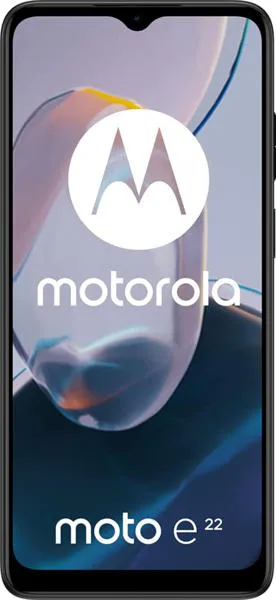
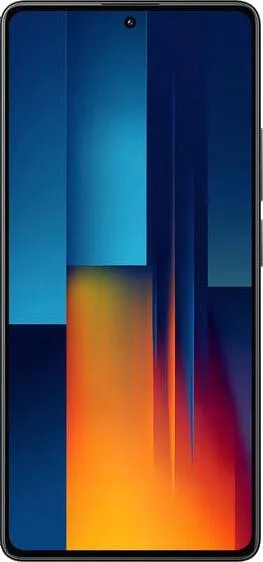
Let's dive into a comparative analysis of the Motorola Moto E22 and the Xiaomi Poco M6 Pro, dissecting their specifications and uncovering what they truly offer the everyday user.
1. Specifications Breakdown
| Feature | Motorola Moto E22 | Xiaomi Poco M6 Pro | Real-World Implications |
|---|---|---|---|
| Design | |||
| Dimensions (mm) | 163.6 x 74.7 x 8 | 161.1 x 75 x 8 | Poco M6 Pro is slightly shorter and narrower, potentially offering a more comfortable one-handed grip. |
| Weight (g) | 169 | 179 | Moto E22 is noticeably lighter, reducing hand fatigue during extended use. |
| Build Materials | Plastic | Not specified | Moto E22's plastic build might feel less premium but could offer better impact resistance. |
| Display | |||
| Type | IPS LCD, 90Hz | AMOLED, 120Hz | Poco M6 Pro's AMOLED delivers richer blacks, vibrant colors, and potentially better power efficiency. Its higher refresh rate will result in smoother animations and scrolling. |
| Size | 6.5" | 6.67" | Poco M6 Pro offers a slightly larger screen for more immersive content consumption. |
| Resolution | 720 x 1600 | 1080 x 2400 | Poco M6 Pro boasts significantly sharper visuals due to its Full HD+ resolution. |
| PPI | 270 | 395 | The difference in pixel density is substantial; text and images will appear much crisper on the Poco M6 Pro. |
| Performance | |||
| Chipset | Helio G37 | Helio G99 Ultra | Poco M6 Pro's G99 offers a significant performance advantage in demanding tasks and gaming. |
| CPU | Octa-core 2.3 GHz | Octa-core 2.2 GHz | While clock speeds are similar, the G99's architecture is more modern and efficient. G99 also features faster Cortex A76 cores, for a performance boost. |
| GPU | PowerVR GE8320 | Mali-G57 MC2 | Poco M6 Pro's GPU delivers superior graphics performance for smoother gaming and faster rendering. |
| RAM | 3/4GB | 6/8/12GB | Poco M6 Pro offers significantly more RAM, enabling smoother multitasking and better handling of demanding apps. |
| Camera | |||
| Rear Camera | 16MP + 2MP | 64MP + 8MP + 2MP | Poco M6 Pro offers a higher resolution primary sensor and a dedicated wide-angle lens, promising superior image quality and versatility. |
| Front Camera | 5MP | 16MP | Poco M6 Pro's front camera has a much higher resolution for better selfies and video calls. |
| Battery Life | |||
| Capacity | 4020 mAh | 5000 mAh | Poco M6 Pro has a larger battery, likely translating to longer usage time. |
2. Key Insights
The Poco M6 Pro demonstrably outperforms the Moto E22 across nearly all specifications. It offers a superior display, significantly faster performance, a more versatile camera system, and a larger battery. The Moto E22's main advantages lie in its lighter weight and potentially lower price point, making it more pocket-friendly in both senses of the word.
3. User Profiles and Recommendations
Moto E22: This phone is ideal for budget-conscious users who prioritize basic communication, light web browsing, and casual social media usage. It's a good option for students or as a secondary device.
Poco M6 Pro: Suited for users who demand more from their smartphone. Gamers, content creators, and those who multitask heavily will appreciate the Poco M6 Pro's performance, display, and camera capabilities.
4. Buying Decision Framework
- What is your budget? The Moto E22 will be significantly cheaper.
- What are your primary smartphone uses? For basic tasks, the E22 suffices. For demanding applications, the Poco M6 Pro is necessary.
- How important is display quality and performance? The Poco M6 Pro offers a vastly superior experience in these areas.
My Choice: I would choose the Xiaomi Poco M6 Pro. While the Moto E22 serves its purpose as an entry-level device, the Poco M6 Pro offers a compelling combination of performance, features, and future-proofing. The superior display, faster processor, more capable camera system, larger battery, and increased RAM would significantly enhance my daily workflow and entertainment experiences. As someone who values a responsive and versatile device, the investment in the Poco M6 Pro would be worthwhile. Even acknowledging potential price differences, the long-term benefits of a smoother, richer user experience outweigh the initial cost savings.
