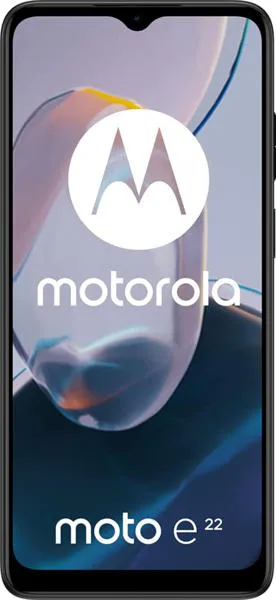
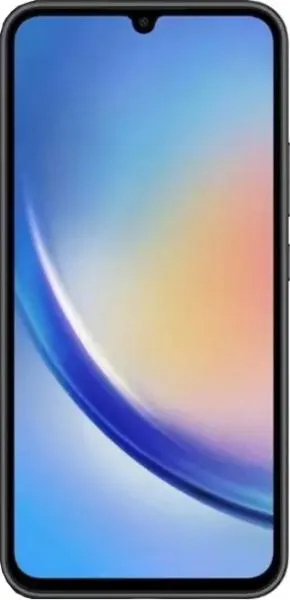
Motorola Moto E22 vs. Samsung Galaxy A34: A Deep Dive
Let's dissect the Motorola Moto E22 and Samsung Galaxy A34, two mid-range contenders vying for your attention. I'll break down their specs, translate them into real-world performance, and help you decide which phone fits your needs.
1. Specifications Breakdown
| Feature | Motorola Moto E22 | Samsung Galaxy A34 | Real-World Implications | |
|---|---|---|---|---|
| Design | ||||
| Dimensions | 163.6 x 74.7 x 8mm | 161.3 x 78.1 x 8.2mm | A34 slightly shorter and wider, both reasonably thin. | |
| Weight | 169g | 199g | E22 noticeably lighter, reducing hand fatigue during extended use. | |
| Build Materials | Plastic | Glass front, plastic back | A34's glass front offers better scratch resistance. | |
| Display | ||||
| Size | 6.5" | 6.6" | Negligible difference in screen real estate. | |
| Resolution | 720 x 1600 | 1080 x 2340 | A34 boasts significantly sharper visuals, text, and images due to higher resolution. | |
| Type | IPS LCD, 90Hz | Super AMOLED, 120Hz | A34's Super AMOLED delivers richer colors, deeper blacks, and smoother scrolling. | |
| Performance | ||||
| Chipset | Helio G37 | Dimensity 1080 | A34's Dimensity 1080 offers a substantial performance leap for demanding tasks and gaming. | |
| CPU | Octa-core 2.3 GHz | Octa-core 2.6 GHz | A34's faster CPU cores provide snappier performance and multitasking. | |
| RAM | 3/4GB | 6/8GB | A34's larger RAM enables smoother multitasking and app switching. | |
| Camera | ||||
| Main Camera | 16MP | 48MP | A34's higher resolution main camera captures more detail and offers better low-light performance. | |
| Video Recording | 1080p@30fps | 4K@30fps | A34 capable of recording significantly higher resolution video. | |
| Battery Life | ||||
| Capacity | 4020 mAh | 5000 mAh | A34's larger battery capacity likely translates to longer usage time. |
2. Key Insights
The Samsung Galaxy A34 clearly outperforms the Moto E22 in almost every aspect. Its superior display, significantly faster processor, larger RAM, more capable camera system, and bigger battery make it a more compelling device. The E22's main advantage lies in its lighter weight and lower price point.
Real-World Use Cases:
- Moto E22: Best suited for basic tasks like calling, texting, web browsing, and social media. Its lightweight design makes it comfortable for extended use. Not ideal for demanding games or heavy multitasking.
- Samsung Galaxy A34: Handles demanding tasks, gaming, and multimedia consumption with ease. The superior camera system is a boon for photography enthusiasts. Offers a more premium and future-proof experience.
3. User Profiles and Recommendations
- Budget-Conscious User: The Moto E22 is a viable option if your primary needs are basic communication and light usage.
- Power User/Gamer/Photographer: The Samsung Galaxy A34 provides a significantly better experience for demanding users who value performance, a great display, and a capable camera.
- Average User: The A34 is likely worth the extra investment for its superior overall experience and longevity.
4. Buying Decision Framework
- What is your budget? The E22 is significantly cheaper.
- What are your primary phone usage patterns? Basic communication vs. demanding tasks and multimedia.
- How important is camera quality and future-proofing? The A34 offers a substantial advantage in these areas.
My Choice: The Samsung Galaxy A34
While the Moto E22 offers a decent entry-level experience, I would choose the Samsung Galaxy A34. The difference in performance, display quality, and camera capabilities is significant enough to justify the higher price. The A34's AMOLED display, powerful processor, and larger battery offer a more enjoyable and future-proof experience. As a tech journalist, I value a device that can keep up with my workflow, capture high-quality photos and videos, and provide a smooth and enjoyable user experience. The A34 delivers on all these fronts. Its 5G capabilities also ensure I'm ready for the next generation of mobile connectivity. While the E22 is a good budget option, the A34 represents a better value proposition in the long run.
