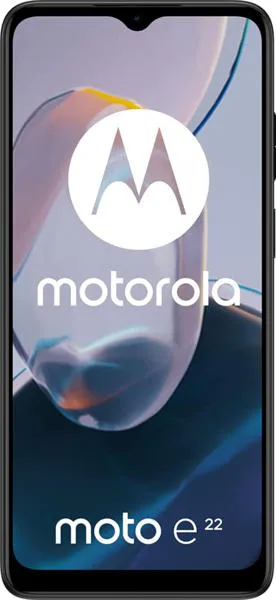
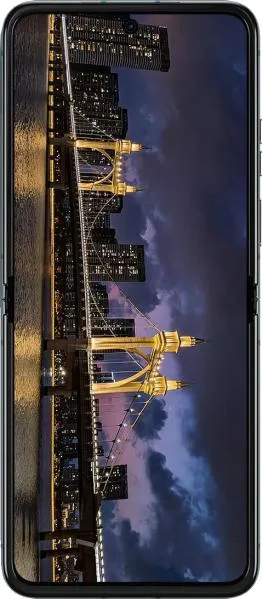
Let's dive into a comparative analysis of the Motorola Moto E22 and the Motorola Razr 40 Ultra, two phones occupying distinct segments of the market.
1. Specifications Breakdown
| Feature | Motorola Moto E22 | Motorola Razr 40 Ultra | Real-World Implications |
|---|---|---|---|
| Design | |||
| Dimensions (mm) | 163.6 x 74.7 x 8 | 170.8 x 74 x 7 | Razr 40 Ultra is significantly thinner and slightly taller when unfolded. Its foldable design offers portability but may compromise durability. E22 is more robust. |
| Weight (g) | 169 | 184.5 | E22 is lighter, making it more comfortable for extended use. Razr 40 Ultra's weight is reasonable for a foldable. |
| Foldable | No | Yes | Razr 40 Ultra's foldable screen allows for a larger display in a pocketable size. E22 offers a traditional smartphone form factor. |
| Display | |||
| Type | IPS LCD, 90Hz | Foldable LTPO AMOLED, 165Hz | Razr 40 Ultra boasts superior color accuracy, contrast, and smoothness with its AMOLED display and higher refresh rate. E22's display is basic but functional. |
| Size (inches) | 6.5 | 6.9 | Razr 40 Ultra offers a larger screen for immersive content consumption. |
| Resolution | 720 x 1600 | 1080 x 2640 | Razr 40 Ultra has a sharper, more detailed display. |
| Performance | |||
| Chipset | Helio G37 | Snapdragon 8+ Gen 1 | Razr 40 Ultra provides significantly faster processing power and smoother multitasking. E22 is suitable for basic tasks. |
| RAM (GB) | 3/4 | 8/12 | Razr 40 Ultra offers more memory for demanding applications and seamless multitasking. |
| OS | Android 12 | Android 13 | Razr 40 Ultra runs a newer version of Android with potential software updates for a longer period. |
| Camera | |||
| Main Camera (MP) | 16 | 12 | While Razr has fewer megapixels, its sensor and processing likely result in superior image quality. E22's camera is basic. |
| Selfie Camera (MP) | 5 | 32 | Razr 40 Ultra has a much higher resolution selfie camera. |
| Battery Life | |||
| Capacity (mAh) | 4020 | 3800 | E22 has a slightly larger battery capacity, but real-world battery life depends on usage patterns and software optimization. Razr 40 Ultra's battery life might be impacted by the power demands of its large, high refresh rate display and powerful processor. |
2. Key Insights
- Performance: The Razr 40 Ultra dramatically outperforms the Moto E22 thanks to its flagship Snapdragon processor and ample RAM. The E22 is designed for basic tasks, while the Razr 40 Ultra can handle demanding applications and gaming.
- Display: The Razr 40 Ultra's foldable AMOLED display with a 165Hz refresh rate offers a premium visual experience compared to the E22's standard LCD. The folding capability is a significant differentiator, allowing for a large screen in a compact form.
- Camera: While megapixel count isn't everything, the Razr 40 Ultra likely produces superior image quality due to its advanced sensor technology and image processing. The E22's camera system is functional but unremarkable.
- Price: The Razr 40 Ultra is a premium, flagship-level device with a price tag reflecting its advanced features. The Moto E22 is a budget-friendly option for users prioritizing affordability.
3. User Profiles and Recommendations
- Moto E22: Ideal for budget-conscious users who prioritize basic communication, web browsing, and light media consumption. Students, seniors, or anyone seeking a simple, affordable phone would find the E22 suitable.
- Razr 40 Ultra: Designed for tech-savvy users who value cutting-edge technology, a premium display, top-tier performance, and a unique foldable design. Content creators, multitaskers, and those seeking a statement device would be drawn to the Razr 40 Ultra.
4. Buying Decision Framework
- What is your budget? The E22 is significantly more affordable.
- What are your performance needs? For demanding tasks and gaming, the Razr 40 Ultra is essential.
- Do you value portability and a large screen? The Razr 40 Ultra's foldable design addresses this need uniquely.
My Choice
I would choose the Motorola Razr 40 Ultra. While the Moto E22 offers excellent value for its price, I prioritize performance, a high-quality display, and innovative design. The Razr 40 Ultra's foldable form factor, powerful Snapdragon processor, stunning AMOLED screen, and advanced camera system align with my preferences for a device that can handle demanding tasks, provide a premium multimedia experience, and offer a glimpse into the future of mobile technology. The higher price is justified for the significant leap in capabilities and the unique user experience it offers.
