1. Specifications Comparison
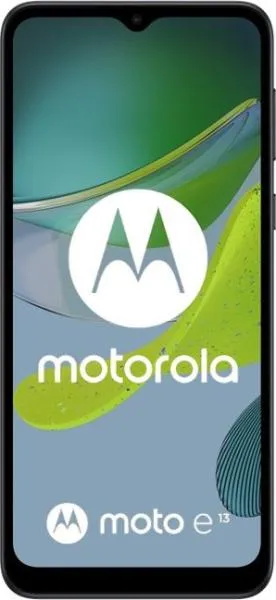
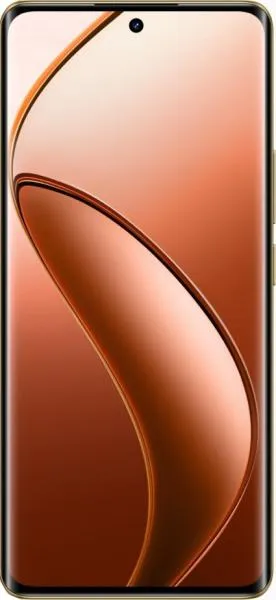
| Feature | Motorola Moto E13 | Realme 12 Pro+ | Practical Impact |
|---|---|---|---|
| Design | |||
| Dimensions (mm) | 164.2 x 75 x 8.5 | 161.5 x 74 x 8.8 | Realme 12 Pro+ is slightly shorter and narrower, but a bit thicker. Negligible difference in hand feel. |
| Weight (g) | 179.5 | 196 | Moto E13 is noticeably lighter, reducing hand fatigue during extended use. |
| Build Materials | Not specified | Not specified | Unable to compare build quality and durability without more information. |
| Display | |||
| Display Type | IPS LCD | AMOLED | Realme 12 Pro+ offers deeper blacks, more vibrant colors, and better power efficiency due to AMOLED technology. |
| Display Size (inches) | 6.5 | 6.7 | Realme 12 Pro+ has a slightly larger screen, providing a more immersive experience for media consumption. |
| Resolution (pixels) | 720 x 1600 | 1080 x 2412 | Realme 12 Pro+ has a significantly sharper display (394 ppi vs 270 ppi), resulting in clearer text and images. |
| Refresh Rate (Hz) | Not specified | 120 | Realme 12 Pro+'s 120Hz refresh rate delivers smoother animations and scrolling compared to the Moto E13's unspecified refresh rate (likely 60Hz). |
| Performance | |||
| Chipset | Unisoc T606 (12 nm) | Qualcomm Snapdragon 7s Gen 2 (4 nm) | Realme 12 Pro+ boasts a significantly more powerful processor, leading to faster app loading, smoother multitasking, and better gaming performance. The 4nm process also implies better power efficiency. |
| CPU | Octa-core (2x1.6 GHz Cortex-A75 & 6x1.6 GHz Cortex-A55) | Octa-core (4x2.4 GHz Cortex-A78 & 4x1.95 GHz Cortex-A55) | Realme 12 Pro+'s CPU utilizes faster and more powerful cores, resulting in a noticeable performance advantage. |
| RAM | 2/4 GB | 8/12 GB | Realme 12 Pro+ offers significantly more RAM, enabling better multitasking and preventing apps from closing in the background. |
| Camera | |||
| Rear Camera | 13 MP | 50 MP (Main) + 8 MP (Wide/Macro) + 64 MP (Telephoto) | Realme 12 Pro+ offers a significantly more versatile camera system with higher resolution, a wider field of view, and telephoto capabilities for optical zoom. |
| Front Camera | 5 MP | 32 MP | Realme 12 Pro+ has a much higher resolution front camera, capturing more detailed selfies. |
| Video Recording | 1080p@30fps | 4K@30fps | Realme 12 Pro+ can record videos at a much higher resolution. |
| Battery | |||
| Capacity (mAh) | 5000 | 5000 | Both phones have the same battery capacity, but real-world battery life will depend on software optimization and display efficiency. |
| Fast Charging | 10W | 67W | Realme 12 Pro+ supports significantly faster charging, drastically reducing downtime. |
2. Key Differences Analysis
Motorola Moto E13 Advantages:
- Lighter Weight: More comfortable for extended use.
- Lower Price: Significantly more affordable.
Realme 12 Pro+ Advantages:
- Superior Performance: Much faster processor, more RAM, smoother overall experience.
- Better Display: AMOLED technology, higher resolution, faster refresh rate, more immersive visuals.
- More Versatile Camera System: Higher resolution sensors, telephoto lens, wider range of shooting capabilities.
- Faster Charging: Significantly reduced charging time.
3. User Profiles & Recommendations
Motorola Moto E13: Budget-conscious users who prioritize basic communication (calls, texts, browsing) and light app usage. Ideal for first-time smartphone users or as a secondary device.
Realme 12 Pro+: Users who demand high performance, a great multimedia experience, and versatile camera capabilities. Suitable for mobile gaming, content creation, and demanding tasks.
4. Decision Framework
Key Questions for Buyers:
- What is your budget? The Moto E13 is a budget option, while the Realme 12 Pro+ is a mid-range device.
- What are your primary smartphone usage patterns? Basic communication vs. demanding tasks and multimedia consumption.
- How important are camera quality and performance? The Realme 12 Pro+ significantly outperforms the Moto E13 in these areas.
My Choice: Realme 12 Pro+
While the Motorola Moto E13 offers an attractive price point for budget-conscious consumers, the Realme 12 Pro+ is the clear winner for me. The superior performance, significantly better display, more versatile camera system, and faster charging outweigh the price difference. The Snapdragon 7s Gen 2, coupled with ample RAM, ensures a smooth and responsive user experience for years to come. The AMOLED display with a 120Hz refresh rate provides a vastly improved visual experience. While I appreciate the lighter weight of the Moto E13, the overall package offered by the Realme 12 Pro+ makes it the more compelling choice for a user like myself who values performance, display quality, and camera versatility.
