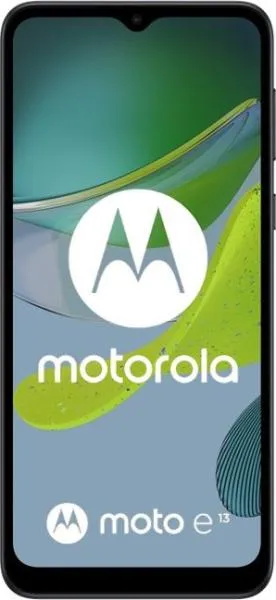
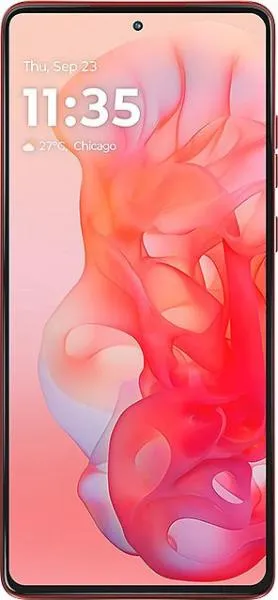
1. Specifications Comparison
| Feature | Motorola Moto E13 | Motorola Moto G Stylus 5G (2024) | Practical Impact |
|---|---|---|---|
| Design | |||
| Dimensions (mm) | 164.2 x 75 x 8.5 | 162.6 x 74.8 x 8.3 | Moto G Stylus slightly smaller and thinner. Negligible difference in daily use. |
| Weight (g) | 179.5 | 190 | Moto G Stylus slightly heavier, potentially noticeable during extended use. |
| Build Material | Not specified | Not specified | Cannot compare build quality and durability. |
| Display | |||
| Display Type | IPS LCD | P-OLED | P-OLED offers deeper blacks, higher contrast, and potentially better power efficiency. |
| Size (inches) | 6.5 | 6.7 | Moto G Stylus has a slightly larger screen, providing more immersive viewing. |
| Resolution | 720 x 1600 | 1080 x 2400 | Significantly sharper and more detailed visuals on the Moto G Stylus. |
| Refresh Rate | Not specified | 120Hz | 120Hz offers smoother animations and scrolling compared to a standard 60Hz likely on the E13. |
| Performance | |||
| Chipset | Unisoc T606 (12nm) | Qualcomm Snapdragon 6 Gen 1 (4nm) | Snapdragon 6 Gen 1 offers significantly better performance, efficiency, and thermal management. |
| CPU | Octa-core (2x1.6 GHz A75 & 6x1.6 GHz A55) | Octa-core (4x2.2 GHz A78 & 4x1.8 GHz A55) | Moto G Stylus will handle demanding tasks and multitasking much better. |
| GPU | Mali-G57 MP1 | Adreno 710 | Adreno 710 delivers notably better gaming and graphics performance. |
| RAM | 2/4GB | 8GB | More RAM on the Moto G Stylus allows for smoother multitasking and app switching. |
| OS | Android 13 | Android 14 | Moto G Stylus has a newer OS version with potential feature and security updates. Also guaranteed upgrade to Android 15. |
| Camera | |||
| Main Camera | 13MP | 50MP (Sony LYT-700C) | Moto G Stylus has a much higher resolution sensor, potentially capturing more detailed photos. Sony sensor suggests higher quality. |
| Front Camera | 5MP | 32MP | Significantly better selfie quality on the Moto G Stylus. |
| Video Recording | 1080p@30fps | 4K@30fps, 1080p@120fps | Moto G Stylus offers higher resolution and slow-motion video recording capabilities. |
| Battery | |||
| Capacity | 5000 mAh | 5000 mAh | Similar battery capacity. Real-world battery life will depend on usage and efficiency. |
| Charging | 10W Fast Charging | 30W Fast Charging, 15W Wireless Charging | Moto G Stylus charges significantly faster and offers wireless charging convenience. |
2. Key Differences Analysis
Moto E13 Advantages:
- Lower Price: Significantly more affordable.
Moto G Stylus 5G (2024) Advantages:
- Significantly Better Performance: Superior processor, GPU, and more RAM result in a smoother, faster experience for demanding tasks and gaming.
- Higher Quality Display: P-OLED with higher resolution and 120Hz refresh rate provides a superior visual experience.
- Enhanced Camera System: Higher resolution sensors, better video recording capabilities, and optical image stabilization (OIS).
- Faster Charging and Wireless Charging: More convenient and time-saving.
- 5G Connectivity: Faster data speeds and improved network reliability in supported areas.
- Stylus Support: Enables note-taking, drawing, and precise interactions (not explicitly mentioned but implied).
- NFC: Allows for contactless payments and other NFC functionalities.
3. User Profiles & Recommendations
Moto E13: Budget-conscious users who prioritize basic communication and light usage (calls, texts, web browsing). Not recommended for gaming or demanding tasks.
Moto G Stylus 5G (2024): Users who value performance, a high-quality display, a good camera, and modern features like 5G and wireless charging. Suitable for gaming, content creation, and multitasking.
4. Decision Framework
Key Questions for Buyers:
- What is your budget? The Moto E13 is a budget option, while the Moto G Stylus 5G is a mid-range device.
- What are your primary use cases? Basic communication vs. demanding tasks, gaming, content creation.
- Which features are most important to you? Display quality, camera performance, battery life, charging speed, connectivity.
Scenario-Based Recommendations:
- Limited Budget, Basic Use: Moto E13
- Balanced Budget, Versatile Use: Moto G Stylus 5G (2024)
- Prioritize Performance and Features: Moto G Stylus 5G (2024)
My Choice: Motorola Moto G Stylus 5G (2024)
While the Moto E13 offers excellent value for its price, the Moto G Stylus 5G provides a significantly better overall user experience. The performance difference, superior display, enhanced camera, and modern features like 5G and wireless charging justify the higher price for most users. The improved OS with future upgrade guarantees is also a compelling factor. I value a smooth and responsive experience, a good camera, and long-term software support, making the Moto G Stylus the clear winner for me.
