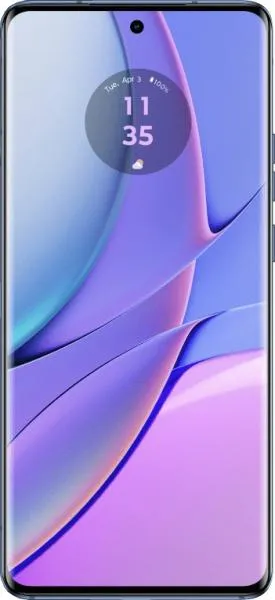

1. Specifications Comparison
| Feature | Motorola Edge 40 | Sony Xperia 10 V | Practical Impact |
|---|---|---|---|
| Design | |||
| Dimensions (mm) | 158.4 x 72 x 7.6 | 155 x 68 x 8.3 | Xperia 10 V is slightly shorter and narrower, but thicker. Edge 40 feels thinner and more premium. |
| Weight (g) | 167 | 159 | Xperia 10 V is slightly lighter, noticeable in extended use. |
| Build | Not specified | Not specified | Build materials impact durability and premium feel. Lack of information limits comparison. |
| Display | |||
| Display Type | P-OLED | OLED | Both offer excellent contrast and deep blacks. P-OLED potentially allows for more curved designs. |
| Size (inches) | 6.55 | 6.1 | Edge 40 offers a larger screen for more immersive media consumption and multitasking. |
| Resolution | 1080 x 2400 | 1080 x 2520 | Xperia 10 V has a slightly taller aspect ratio and higher pixel density (449 ppi vs 402 ppi), resulting in sharper text. |
| Refresh Rate | 144Hz | Not specified | Edge 40's 144Hz refresh rate delivers significantly smoother scrolling and animations, enhancing gaming and UI responsiveness. |
| Performance | |||
| Chipset | Mediatek Dimensity 8020 | Qualcomm Snapdragon 695 5G | Dimensity 8020 generally offers better performance in benchmarks, translating to faster app loading and smoother multitasking. |
| CPU | Octa-core (4x2.6 GHz Cortex-A78 & 4x2.0 GHz Cortex-A55) | Octa-core (2x2.2 GHz Kryo 660 Gold & 6x1.7 GHz Kryo 660 Silver) | Edge 40 has faster CPU cores, resulting in quicker processing for demanding tasks. |
| GPU | Mali-G77 MC9 | Adreno 619 | Mali-G77 MC9 generally provides better graphics performance for gaming. |
| RAM | 8GB | 6GB/8GB | 8GB RAM ensures smoother multitasking and less frequent app reloading on both devices. |
| Camera | |||
| Main Camera | 50MP, f/1.4, OIS | 48MP, f/1.8, OIS | Both offer OIS for stable video. Edge 40's wider aperture (f/1.4) potentially allows for better low-light performance. Specific sensor quality unknown for comprehensive comparison. |
| Video Recording | Up to 4K@30fps with HDR, EIS | 1080p@30fps | Edge 40 supports higher resolution video recording (4K) and more advanced stabilization features. |
| Battery | |||
| Capacity | 4400 mAh | 5000 mAh | Xperia 10 V's larger battery capacity likely translates to longer battery life. |
2. Key Differences Analysis
Motorola Edge 40 Advantages:
- Superior Performance: The Dimensity 8020 chipset and higher refresh rate display provide a noticeably smoother and faster user experience.
- Better Display: The 144Hz refresh rate provides a significant advantage in fluidity for gaming and everyday use.
- More Advanced Camera Features: 4K video recording with HDR and EIS provides higher quality video capture.
Sony Xperia 10 V Advantages:
- Longer Battery Life: The 5000 mAh battery will likely last longer on a single charge.
- Slightly More Compact: Smaller form factor may be preferable for one-handed use.
- Potentially Better Value: Lower price for comparable features (depending on specific RAM variant).
3. User Profiles & Recommendations
Motorola Edge 40: Ideal for users who prioritize performance, a smooth display, and advanced camera features. Suitable for gamers, power users, and those who consume lots of media.
Sony Xperia 10 V: Best suited for users who value battery life above all else. A good choice for light users, those who prioritize compact size, and budget-conscious buyers.
4. Decision Framework
Key Questions for Buyers:
- What is your budget? The price difference might be a deciding factor.
- What are your primary use cases? Gaming and media consumption favor the Edge 40, while basic usage and long battery life favor the Xperia 10 V.
- Do you prioritize performance or battery life? The Edge 40 excels in performance, while the Xperia 10 V boasts longer battery life.
My Choice: Motorola Edge 40
While the Sony Xperia 10 V offers a compelling battery life advantage, the Motorola Edge 40's superior performance, smoother 144Hz display, and more advanced camera features make it the better overall package for me. I prioritize a fluid and responsive user experience, which the Edge 40 delivers thanks to its powerful chipset and high refresh rate screen. I am willing to compromise slightly on battery life for the significant gains in performance and overall user experience. The improved camera capabilities, particularly the 4K video recording, are also significant factors in my decision. The slightly higher price is justifiable for the noticeable upgrade in key areas.
