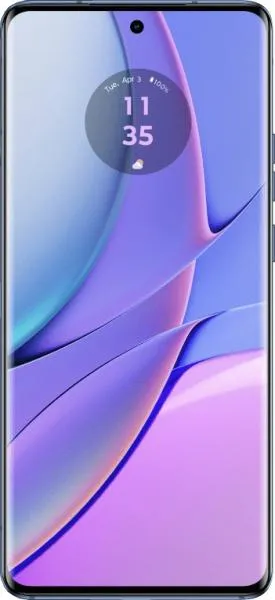
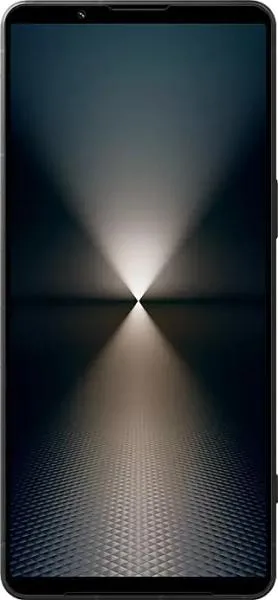
1. Specifications Comparison
| Feature | Motorola Edge 40 | Sony Xperia 1 VI | Practical Impact |
|---|---|---|---|
| Design | |||
| Dimensions (mm) | 158.4 x 72 x 7.6 | 162 x 74 x 8.2 | Xperia 1 VI is slightly larger and thicker. Edge 40 is lighter (167g vs 192g), noticeably impacting one-handed use and pocket portability. |
| Weight (g) | 167 | 192 | See above. |
| Display | |||
| Size (inches) | 6.55 | 6.5 | Negligible size difference. |
| Resolution (pixels) | 1080 x 2400 | 1080 x 2340 | Virtually identical sharpness. Xperia 1 VI's slightly taller aspect ratio might offer minor advantages for content consumption. |
| Type | P-OLED, 144Hz | LTPO OLED, 120Hz | Edge 40's higher refresh rate results in smoother animations and scrolling. Xperia 1 VI's LTPO allows for dynamic refresh rate, saving battery. |
| Performance | |||
| Chipset | Mediatek Dimensity 8020 (6 nm) | Qualcomm Snapdragon 8 Gen 3 (4 nm) | Xperia 1 VI boasts a significantly more powerful and efficient processor, leading to better performance in demanding tasks and gaming. |
| CPU | Octa-core (4x2.6 GHz A78 & 4x2.0 GHz A55) | Octa-core (1x3.3 GHz X4 & ... & 2x2.3 GHz A520) | Xperia 1 VI's newer CPU architecture provides substantial performance gains. |
| RAM (GB) | 8 | 12 | Xperia 1 VI's larger RAM enables better multitasking and smoother performance with demanding applications. |
| Camera | |||
| Main Camera (MP) | 50 | 48 | While Xperia 1 VI has a slightly lower resolution, it uses the Sony IMX888 sensor which is generally considered higher quality. Resolution difference is negligible. |
| Other Cameras | 13MP Wide, 32MP Selfie | 12.2MP Wide, 12MP Telephoto, 12MP Selfie | Xperia 1 VI offers a dedicated telephoto lens for optical zoom, a significant advantage for photography enthusiasts. |
| Battery | |||
| Capacity (mAh) | 4400 | 5000 | Xperia 1 VI has a larger battery, likely resulting in longer battery life. |
2. Key Differences Analysis
Motorola Edge 40 Advantages:
- Higher Refresh Rate Display: Smoother user experience for scrolling and gaming.
- Lighter and More Compact: Easier to handle and carry.
- Lower Price: Offers good value for its features.
Sony Xperia 1 VI Advantages:
- Significantly More Powerful Processor: Better performance for demanding tasks and gaming.
- Larger RAM: Superior multitasking capabilities.
- More Versatile Camera System: Telephoto lens offers optical zoom.
- Larger Battery: Potentially longer battery life.
- More advanced connectivity: WiFi 7 and Bluetooth 5.4 compared to WiFi 6 and Bluetooth 5.2 on the Edge 40. This offers faster speeds and better reliability. USB 3.2 also allows for much faster data transfer and video output.
Trade-offs:
- Xperia 1 VI: Higher price for the increased performance and features. Larger and heavier design.
- Edge 40: Less powerful processor and smaller RAM limit performance. Less versatile camera system.
3. User Profiles & Recommendations
Motorola Edge 40: Suitable for users who prioritize a smooth display, compact design, and affordability. Ideal for everyday tasks, social media, web browsing, and casual gaming.
Sony Xperia 1 VI: Best suited for power users, mobile gamers, and photography enthusiasts. Its high-end specs excel in demanding applications, and the versatile camera system offers creative flexibility.
4. Decision Framework
Key Questions for Buyers:
- What is your budget? The Xperia 1 VI is significantly more expensive.
- What are your primary use cases? Casual use vs. demanding tasks/gaming/photography.
- Do you prioritize portability and one-handed use? The Edge 40 is lighter and more compact.
My Choice: Sony Xperia 1 VI
While the Motorola Edge 40 offers a compelling value proposition with its smooth display and attractive price, the Sony Xperia 1 VI is the superior device overall. Its significantly more powerful processor, larger RAM, versatile camera system with a dedicated telephoto lens, and larger battery make it a clear winner for my needs. I prioritize performance, future-proofing, and camera quality, and am willing to pay the premium for the Xperia 1 VI's advantages. The added benefits of the latest connectivity standards solidify this choice. While I appreciate the Edge 40's lighter weight, the Xperia's superior feature set outweighs this advantage for me.
