1. Specifications Comparison
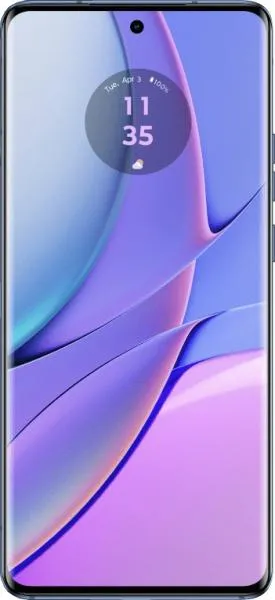
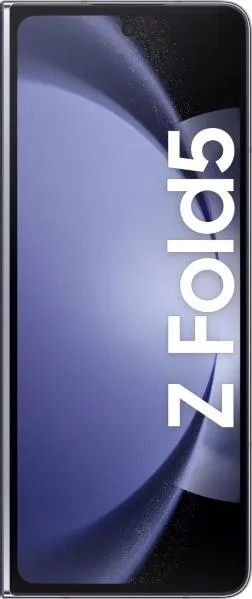
| Feature | Motorola Edge 40 | Samsung Galaxy Z Fold5 | Practical Impact |
|---|---|---|---|
| Design | |||
| Dimensions (mm) | 158.4 x 72 x 7.6 | 154.9 x 129.9 x 6.1 (folded) | Fold5 is significantly wider when unfolded, impacting pocketability. Edge 40 is thinner and lighter. |
| Weight (g) | 167 | 253 | Fold5's weight is noticeable, but expected for a foldable. Edge 40 offers a more traditional lightweight feel. |
| Foldable | No | Yes | Fold5's folding screen provides a larger display for multitasking and media consumption, but introduces a crease and potential durability concerns. |
| Display | |||
| Display Type | P-OLED | Dynamic AMOLED 2X | Both offer excellent color accuracy and contrast. |
| Size (inches) | 6.55 | 7.6 (main), 6.2 (cover) | Fold5's larger main display offers a tablet-like experience. Edge 40's display is ample for everyday use. |
| Resolution | 1080 x 2400 | 2176 x 1812 (main), 2316 x 904 (cover) | Fold5's main display has a higher resolution, resulting in sharper visuals. |
| Refresh Rate (Hz) | 144 | 120 (main), Dynamic up to 120Hz (cover) | Edge 40's higher refresh rate provides smoother scrolling and animations, especially noticeable in gaming. |
| Performance | |||
| Chipset | Mediatek Dimensity 8020 | Qualcomm Snapdragon 8 Gen 2 | Snapdragon 8 Gen 2 offers significantly better performance in demanding tasks and gaming. |
| CPU | Octa-core (4x2.6 GHz Cortex-A78 & 4x2.0 GHz Cortex-A55) | Octa-core (1x3.36 GHz Cortex-X3 & 2x2.8 GHz Cortex-A715 & 2x2.8 GHz Cortex-A710 & 3x2.0 GHz Cortex-A510) | Fold5's CPU has a more powerful architecture, resulting in faster processing speeds. |
| RAM | 8GB | 12GB | Fold5's larger RAM allows for better multitasking and smoother performance with demanding applications. |
| Camera | |||
| Main Camera | 50MP | 50MP | Comparable resolution, but Fold5 leverages a more advanced sensor (Samsung GN3) potentially offering better image quality. Specific sensor performance details missing for Edge 40 (Omnivision OV50A requires further investigation). |
| Video Recording | Up to 4K@30fps | Up to 8K@30fps | Fold5 offers higher resolution video recording. |
| Battery | |||
| Capacity (mAh) | 4400 | 4400 | Similar battery capacity. Real-world battery life depends on usage and software optimization, particularly with Fold5's larger display. |
| USB Version | 2.0 | 3.2 | Fold5's USB 3.2 allows for significantly faster data transfer speeds. |
2. Key Differences Analysis
Motorola Edge 40 Advantages:
- Lighter and Thinner: More comfortable for one-handed use and pocket portability.
- Higher Refresh Rate Display: Smoother scrolling and animations.
- Lower Price: Offers excellent value for its performance and features.
Samsung Galaxy Z Fold5 Advantages:
- Foldable Design: Offers a larger screen for multitasking and media consumption.
- More Powerful Processor: Handles demanding tasks and gaming with ease.
- More RAM: Enables seamless multitasking.
- Superior Camera System: Potentially better image quality and higher resolution video recording. Faster data transfer with USB 3.2.
3. User Profiles & Recommendations
Motorola Edge 40: Ideal for users seeking a sleek, lightweight phone with a smooth display and good performance at a more affordable price. Best for everyday tasks, media consumption, and light gaming.
Samsung Galaxy Z Fold5: Ideal for power users and multitaskers who prioritize a large screen and top-tier performance. Best for productivity, media consumption, demanding gaming, and showcasing innovative technology.
4. Decision Framework
Key Questions for Buyers:
- Budget: Is a premium price justifiable for the foldable form factor and top-tier specs of the Fold5?
- Use Case: Is a large screen for multitasking and media consumption a priority? Or is a more traditional, pocketable phone sufficient?
- Performance Needs: Are demanding applications and gaming a regular part of your usage?
My Choice:
I would choose the Motorola Edge 40. While the Samsung Galaxy Z Fold5 offers impressive technology and performance, the Motorola Edge 40 better suits my needs and priorities. I value a lightweight and pocketable phone for everyday use. The 144Hz display is a significant draw for me, as I appreciate smooth scrolling and responsiveness. While the Fold5 boasts a larger screen and more powerful processor, these features don't outweigh the benefits of the Edge 40's portability and affordability for my personal use. I am not a heavy multitasker or mobile gamer, so the Edge 40's performance is ample for my needs. Finally, the significant price difference makes the Edge 40 a much more compelling value proposition for me.
