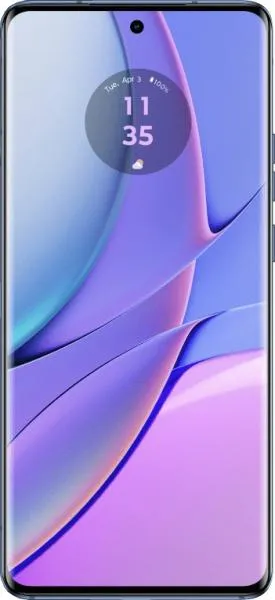
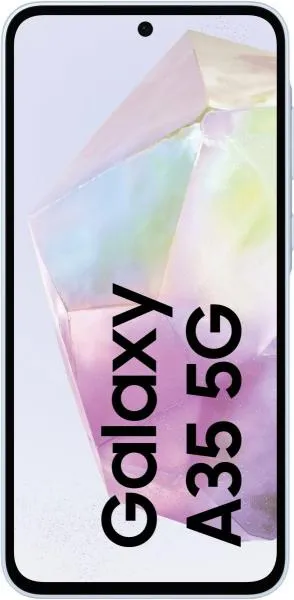
1. Specifications Comparison
| Feature | Motorola Edge 40 | Samsung Galaxy A35 | Practical Impact |
|---|---|---|---|
| Design | |||
| Dimensions (mm) | 158.4 x 72 x 7.6 | 161.7 x 78 x 8.2 | Edge 40 is noticeably smaller and thinner, making it more pocketable and easier to handle. |
| Weight (g) | 167 | 209 | The Edge 40 is significantly lighter, reducing hand fatigue during extended use. |
| Display | |||
| Display Type | P-OLED | Super AMOLED | Both offer vibrant colors and deep blacks. Subjective preference may determine the winner. |
| Refresh Rate | 144Hz | 120Hz | Edge 40's higher refresh rate results in smoother animations and scrolling, especially noticeable in gaming and fast-paced content. |
| Peak Brightness (nits) | 1200 | Not specified | Edge 40 likely offers better visibility in direct sunlight. However, without a specific value for the A35, a definitive conclusion can't be made. |
| Performance | |||
| Chipset | Mediatek Dimensity 8020 (6 nm) | Exynos 1380 (5 nm) | Both chipsets offer solid mid-range performance. The 5nm process in the A35 suggests potential efficiency benefits. |
| CPU | Octa-core (4x2.6 GHz Cortex-A78 & 4x2.0 GHz Cortex-A55) | Octa-core (4x2.4 GHz Cortex-A78 & 4x2.0 GHz Cortex-A55) | Edge 40 has slightly faster prime cores, potentially offering a slight edge in demanding tasks. |
| GPU | Mali-G77 MC9 | Mali-G68 MP5 | Difficult to compare without specific benchmarks. |
| RAM | 8GB | 6GB/8GB | 8GB RAM on the Edge 40 provides more headroom for multitasking and demanding applications. A35 offers a 6GB option which might affect performance. |
| Camera | |||
| Main Camera | 50MP, f/1.4 | 50MP, f/1.8 | Edge 40's wider aperture (f/1.4) allows for better low-light performance and potentially shallower depth of field. |
| Ultrawide | 13MP, f/2.2 | 8MP, f/2.2 | Edge 40's ultrawide offers higher resolution. |
| Selfie Camera | 32MP, f/2.4 | 13MP, f/2.2 | Edge 40 boasts a significantly higher resolution selfie camera. |
| Video | 4K@30fps, 1080p@120fps | 4K@30fps, 1080p@60fps | Edge 40 offers higher frame rate video recording options for smoother slow-motion footage. |
| Battery | |||
| Capacity | 4400 mAh | 5000 mAh | A35 has significantly larger battery capacity, potentially leading to longer battery life. |
2. Key Differences Analysis
Motorola Edge 40 Advantages:
- More Compact and Lightweight: Easier to handle and carry.
- Smoother Display: 144Hz refresh rate for a more fluid user experience.
- Brighter Display: Potentially better outdoor visibility.
- Faster Prime Core CPU Performance: Slight advantage in demanding tasks.
- Superior Camera System: Wider aperture main camera for better low-light performance and higher resolution ultrawide and selfie cameras.
- Higher Frame Rate Video Recording: Smoother slow-motion capture.
Samsung Galaxy A35 Advantages:
- Larger Battery: Potentially longer battery life.
- Newer OS: Starts with Android 14 and potentially longer software support.
3. User Profiles & Recommendations
Motorola Edge 40: Users who prioritize a compact and lightweight design, a smooth and responsive display, and a strong camera system. Ideal for gaming, content consumption, and mobile photography enthusiasts.
Samsung Galaxy A35: Users who prioritize long battery life and value having the latest software. Suitable for users with moderate usage patterns who don't require peak performance or the best camera quality.
4. Decision Framework
Key Questions for Buyers:
- How important is portability and one-handed usability? If crucial, the Edge 40's smaller size and weight are significant advantages.
- Is display smoothness and responsiveness a priority? The Edge 40's 144Hz refresh rate will be a noticeable improvement for gamers and those sensitive to smooth scrolling.
- How heavily do you rely on your phone's camera? The Edge 40's superior camera system will deliver better results, especially in low light.
My Choice: Motorola Edge 40
While the Samsung Galaxy A35 offers a larger battery and newer OS, the Motorola Edge 40 is the more compelling device for me. Its superior combination of a compact and lightweight design, a stunning 144Hz display, and a more capable camera system outweighs the benefits of the A35. I value the in-hand feel and responsiveness of a phone, and the Edge 40 delivers a premium experience in these areas. The camera quality is also crucial for me, making the Edge 40 the clear winner. While battery life is important, I'm willing to sacrifice a bit of longevity for the significant gains in other areas. The slight difference in CPU performance might not be noticeable in day-to-day use, but the tangible benefits of the Edge 40's design and display are hard to ignore.
