1. Specifications Comparison
| Feature | Motorola Edge 40 | Samsung Galaxy A06 | Practical Impact | |
|---|---|---|---|---|
| Design | ||||
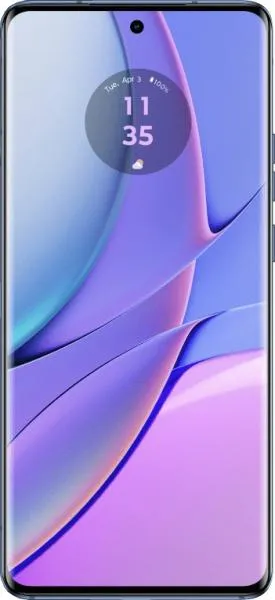
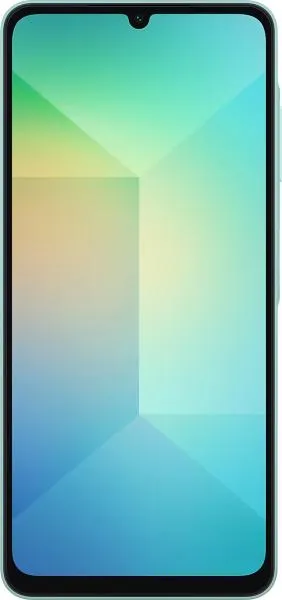
| Dimensions (mm) | 158.4 x 72 x 7.6 | 167.3 x 77.3 x 8 | Edge 40 is significantly more compact and thinner. A06 is larger and heavier, potentially less comfortable for one-handed use or pocket carry. | |
| Weight (g) | 167 | 189 | Edge 40 is noticeably lighter, contributing to better handling and portability. | |
| Build Material | N/A | N/A | Build quality and durability are unknown without further information. | |
| Display | ||||
| Display Type | P-OLED, 144Hz | PLS LCD | Edge 40 offers superior contrast, deeper blacks, and smoother animations due to the OLED technology and high refresh rate. A06's LCD may appear washed out in comparison and less fluid. | |
| Display Size (inches) | 6.55 | 6.7 | A06 has a slightly larger display, providing more screen real estate, while the Edge 40 prioritizes image quality and smoothness. | |
| Resolution | 1080 x 2400 | 720 x 1600 | Edge 40 boasts significantly sharper visuals due to higher resolution, resulting in crisper text and images. A06's lower resolution may appear pixelated, especially when viewing fine details. | |
| PPI Density | 402 | 262 | Reinforces the sharpness difference; Edge 40 will have much clearer images and text. | |
| Performance | ||||
| Chipset | Mediatek Dimensity 8020 (6 nm) | Mediatek Helio G85 (12 nm) | Edge 40's 6nm chipset is expected to deliver significantly better performance and power efficiency compared to the 12nm Helio G85 in the A06. | |
| CPU | Octa-core (4x2.6 GHz & 4x2.0 GHz) | Octa-core (2x2.0 GHz & 6x1.8 GHz) | Edge 40 has faster and more powerful CPU cores, resulting in smoother multitasking, faster app loading, and better overall responsiveness. | |
| GPU | Mali-G77 MC9 | Mali-G52 MC2 | Edge 40's GPU is considerably more powerful, offering a superior gaming experience and smoother graphics rendering. A06 may struggle with demanding games and graphically intensive applications. | |
| RAM | 8GB | 4GB/6GB | Edge 40's 8GB RAM allows for smoother multitasking and better performance with multiple apps open. A06's 4/6GB RAM, while sufficient for basic tasks, may limit performance with heavy multitasking. | |
| Camera | ||||
| Main Camera | 50MP, f/1.4, OIS | 50MP, f/1.8 | Both phones have 50MP main cameras, but the Edge 40's wider aperture (f/1.4) and Optical Image Stabilization (OIS) suggest better low-light performance and sharper images, especially in motion. | |
| Selfie Camera | 32MP | 8MP | Edge 40's 32MP selfie camera offers significantly higher resolution for sharper self-portraits compared to the A06's 8MP camera. | |
| Video Recording | Up to 4K@30fps, EIS | Up to 1080p@60fps | Edge 40 supports higher resolution video recording (4K) with Electronic Image Stabilization. | |
| Battery | ||||
| Capacity | 4400 mAh | 5000 mAh | A06 has a larger battery capacity, potentially offering longer battery life. However, Edge 40's more efficient chipset may offset this difference in real-world usage. |
2. Key Differences Analysis
Motorola Edge 40 Advantages:
- Significantly better performance: Due to a more powerful and efficient chipset, higher RAM. Translates to smoother gaming, faster app loading, and better multitasking.
- Superior display: OLED technology with 144Hz refresh rate provides smoother animations, richer colors, and deeper blacks compared to A06's LCD.
- More compact and lightweight design: Easier to handle and carry.
- Higher resolution display: Sharper visuals and text.
- Better camera features: Wider aperture and OIS on the main camera, higher resolution selfie camera.
Samsung Galaxy A06 Advantages:
- Larger battery capacity: Potentially longer battery life, but real-world usage depends on other factors like software optimization and chipset efficiency.
- Lower price: Significant cost savings compared to the Edge 40.
3. User Profiles & Recommendations
Motorola Edge 40: Ideal for users who prioritize performance, display quality, a premium feel, and camera capabilities. Suitable for demanding tasks like gaming, content creation, and media consumption.
Samsung Galaxy A06: Best suited for budget-conscious users who prioritize basic functionality, long battery life, and a large screen. Suitable for everyday tasks like browsing, social media, and communication. Less ideal for demanding games or heavy multitasking.
4. Decision Framework
Key Questions for Buyers:
- What is your budget? The A06 offers significant cost savings.
- What are your primary use cases? Gaming, content creation, and demanding tasks favor the Edge 40. Basic usage favors the A06.
- Which features matter most? Prioritize performance and display? Choose the Edge 40. Prioritize battery life and affordability? Choose the A06.
My Choice: Motorola Edge 40
While the Samsung Galaxy A06 offers a larger battery and lower price, the Motorola Edge 40 is the superior device overall. Its significantly better performance, vastly superior display, more compact design, and enhanced camera features make it a more compelling choice for most users. The price difference is justified by the substantial upgrade in user experience. The 144Hz refresh rate alone is a huge differentiator for smooth and responsive usage. While battery life is a concern, the Edge 40's more efficient chipset may offset the smaller battery capacity in real-world usage. Ultimately, the Edge 40 provides a more future-proof and enjoyable smartphone experience.
