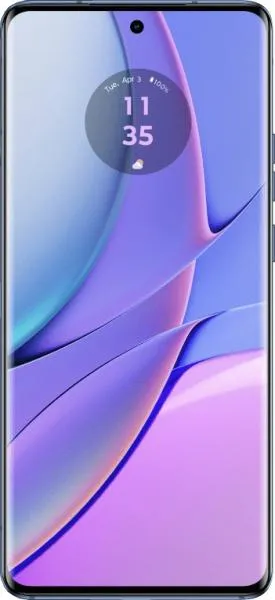
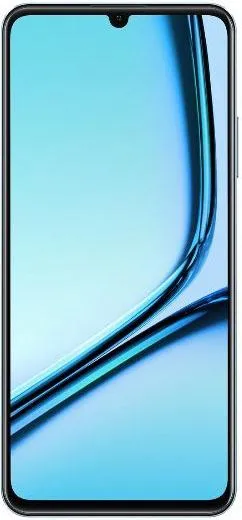
1. Specifications Comparison
| Feature | Motorola Edge 40 | Realme Note 50 | Practical Impact |
|---|---|---|---|
| Design | |||
| Dimensions (mm) | 158.4 x 72 x 7.6 | 167.2 x 76.7 x 8 | Edge 40 is significantly more compact and thinner. Easier to hold and pocket. |
| Weight (g) | 167 | 186 | Edge 40 is noticeably lighter, reducing hand fatigue. |
| Build | Build materials not specified for either phone, limiting comparison. | ||
| Display | |||
| Display Type | P-OLED | IPS LCD | Edge 40 offers deeper blacks, more vibrant colors, and better power efficiency due to P-OLED technology. |
| Size (inches) | 6.55 | 6.74 | Note 50 has a slightly larger screen, providing more viewing area but impacting one-handed usability due to its larger overall size. |
| Resolution | 1080 x 2400 | 720 x 1600 | Edge 40 boasts much sharper visuals due to higher resolution. Text, images, and videos will be clearer. Note 50's lower resolution is noticeable. |
| Refresh Rate (Hz) | 144 | 90 | Edge 40 offers significantly smoother scrolling and animations, enhancing the overall user experience, especially in gaming. |
| Peak Brightness (nits) | 1200 | 560 | Edge 40's display will be much more visible in direct sunlight. |
| Performance | |||
| Chipset | Mediatek Dimensity 8020 (6nm) | Unisoc Tiger T612 (12nm) | Edge 40's Dimensity 8020 provides significantly better performance and power efficiency due to its more advanced architecture and smaller manufacturing process. |
| CPU | Octa-core (4x2.6 GHz Cortex-A78 & 4x2.0 GHz Cortex-A55) | Octa-core (2x1.8 GHz Cortex-A75 & 6x1.8 GHz Cortex-A55) | Edge 40's CPU offers superior performance, enabling smoother multitasking and faster app loading. |
| GPU | Mali-G77 MC9 | Mali-G57 | Edge 40 offers a more powerful GPU, resulting in better gaming performance and smoother graphics rendering. |
| RAM (GB) | 8 | 4 | Edge 40's larger RAM allows for more efficient multitasking and smoother performance with demanding applications. |
| Camera | |||
| Main Camera (MP) | 50 | 13 | Edge 40's 50MP main camera is expected to capture significantly more detail and offer better low-light performance. |
| Video Recording | Up to 4K@30fps with EIS & HDR | 1080p@30fps | Edge 40 supports higher resolution video recording with electronic image stabilization (EIS) and HDR, resulting in superior video quality. |
| Battery | |||
| Capacity (mAh) | 4400 | 5000 | Note 50 has a larger battery capacity, potentially offering longer battery life. However, Edge 40's more efficient processor and display could offset this difference in real-world usage. |
| Charging Speed | Not specified | Not specified | Cannot compare charging speeds without specific data. |
2. Key Differences Analysis
Motorola Edge 40 Advantages:
- Significantly superior performance: The Dimensity 8020 chipset, coupled with 8GB of RAM, provides a much smoother and faster user experience across all tasks.
- Much better display: The P-OLED display with a 144Hz refresh rate offers vibrant colors, deep blacks, and incredibly smooth visuals.
- More compact and premium design: Thinner, lighter, and potentially utilizing higher-quality materials (though not specified).
- Superior camera system: Higher resolution main camera and support for 4K video recording with EIS and HDR.
Realme Note 50 Advantages:
- Larger battery: Potentially longer battery life, though real-world usage may vary due to less efficient components.
- Lower price: Significantly more affordable.
Trade-offs:
- Performance vs. Price: The Edge 40 offers significant performance advantages but at a higher price point. The Note 50 compromises performance for affordability.
3. User Profiles & Recommendations
Motorola Edge 40: Users who prioritize performance, a high-quality display, and a premium feel. Ideal for gaming, media consumption, and demanding tasks.
Realme Note 50: Budget-conscious users who prioritize basic functionality and long battery life over performance and premium features. Suitable for light usage such as calling, texting, and browsing.
4. Decision Framework
Key Questions:
- What is your budget? The Edge 40 is a "medium price" phone, while the Note 50 is "low price."
- What are your primary use cases? Gaming, media consumption, and demanding tasks benefit from the Edge 40's superior performance. Basic usage like calls and texting will be sufficient on the Note 50.
- How important is display quality and overall performance? The Edge 40 excels in these areas.
Scenario-Based Recommendations:
- Gamer: Motorola Edge 40
- Heavy multitasker: Motorola Edge 40
- Budget-conscious student: Realme Note 50
- Basic phone user: Realme Note 50
My Choice: Motorola Edge 40
While the Realme Note 50 offers a larger battery and lower price, the Motorola Edge 40 is the clear winner for me. The significantly superior performance, stunning display, and more compact design are compelling advantages. The difference in everyday usability and long-term satisfaction would outweigh the price difference and slightly smaller battery. The smoother refresh rate, brighter display, and vastly improved processing power of the Edge 40 would provide a much more enjoyable and responsive user experience. Even if battery life is slightly shorter, the overall benefits of the Edge 40 make it the better choice for my needs.
