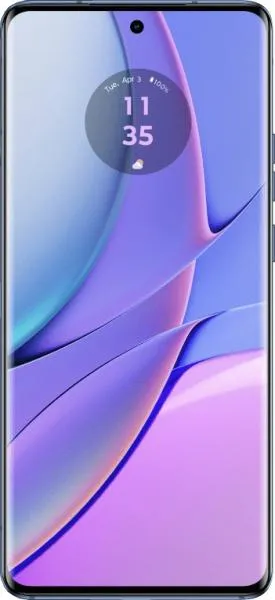
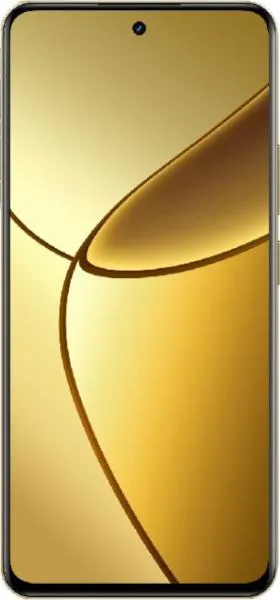
1. Specifications Comparison
| Feature | Motorola Edge 40 | Realme 12+ | Practical Impact |
|---|---|---|---|
| Design | |||
| Dimensions (mm) | 158.4 x 72 x 7.6 | 163 x 75.5 x 7.9 | Realme 12+ is slightly larger and thicker. |
| Weight (g) | 167 | 190 | Motorola Edge 40 is noticeably lighter, more comfortable for extended use. |
| Build | Build materials not specified for either phone, limiting comparison. | ||
| Display | |||
| Size (inches) | 6.55 | 6.67 | Realme 12+ offers a slightly larger screen for more immersive content consumption. |
| Resolution | 1080 x 2400 | 1080 x 2400 | Identical resolution, sharpness comparable on both. |
| Type | P-OLED | AMOLED | Both offer vibrant colors and deep blacks. P-OLED potentially offers better power efficiency. |
| Refresh Rate (Hz) | 144 | 120 | Motorola Edge 40's higher refresh rate provides smoother scrolling and animations. |
| Peak Brightness (nits) | 1200 | 2000 | Realme 12+ significantly brighter, improving outdoor visibility. |
| Performance | |||
| Chipset | Mediatek Dimensity 8020 | Mediatek Dimensity 7050 | Dimensity 8020 generally performs better in benchmarks, indicating potentially smoother multitasking and gaming on the Edge 40. |
| CPU | Octa-core (4x2.6 GHz Cortex-A78 & 4x2.0 GHz Cortex-A55) | Octa-core (2x2.6 GHz Cortex-A78 & 6x2.0 GHz Cortex-A55) | While both have similar core configurations, the 8020 may offer better sustained performance due to its architecture. |
| GPU | Mali-G77 MC9 | Mali-G68 MC4 | Mali-G77 MC9 is a more powerful GPU, likely resulting in better gaming performance on the Motorola Edge 40. |
| RAM (GB) | 8 | 8 | Identical RAM capacity. |
| Camera | |||
| Main Camera (MP) | 50 | 50 | Similar megapixel count, but image quality depends on sensor and processing. |
| Secondary Cameras | 13MP Wide + Macro, 32MP Selfie | 8MP Wide, 2MP Macro, 16MP Selfie | Motorola Edge 40 has a higher resolution ultrawide and selfie camera. Realme 12+ offers a dedicated macro lens, but its lower resolution may limit usefulness. |
| Video | Up to 4K@30fps | Up to 4K@30fps | Both can record 4K video, but specific features (like stabilization quality) are not fully detailed. |
| Battery | |||
| Capacity (mAh) | 4400 | 5000 | Realme 12+ has significantly larger battery capacity, likely translating to longer battery life. |
| Charging Speed | Not specified | Not specified | Charging speed comparison not possible due to missing information. |
2. Key Differences Analysis
Motorola Edge 40 Advantages:
- Lighter and more compact: Easier to handle and carry.
- Higher refresh rate display: Smoother user experience.
- More powerful GPU: Better gaming performance.
- Higher resolution ultrawide and selfie cameras: Potentially better image quality in specific scenarios.
Realme 12+ Advantages:
- Larger display: More immersive media consumption.
- Significantly brighter display: Better outdoor visibility.
- Larger battery capacity: Longer usage time between charges.
3. User Profiles & Recommendations
Motorola Edge 40: Users prioritizing portability, smooth performance (especially for gaming), and a good display. Suitable for gamers, content creators who value a smooth editing experience, and users who prefer a lighter phone.
Realme 12+: Users who prioritize battery life, a large and bright display for media consumption, and value for money. Ideal for heavy users, those who consume a lot of video content, and users who prioritize all-day battery life.
4. Decision Framework
Key Questions for Buyers:
- How important is portability and one-handed use? If crucial, the Motorola Edge 40's lighter weight and smaller size are significant advantages.
- What is your primary usage pattern? For gaming or performance-intensive tasks, the Edge 40's superior processor and GPU are beneficial. For heavy media consumption and extended battery life, the Realme 12+ is a better choice.
- What is your budget? While both are mid-range, slight price differences may exist. Consider the overall value proposition based on your needs.
My Choice: Motorola Edge 40
While the Realme 12+ offers a compelling combination of a large battery and bright display, I would choose the Motorola Edge 40. The significantly lighter weight and more compact form factor are major factors for me, as I prioritize comfortable one-handed use. The smoother 144Hz display and the more powerful Dimensity 8020 chipset, promising superior performance in day-to-day tasks and gaming, further solidify my preference. Although the Realme 12+ has a larger battery, I'm willing to compromise on battery life for a more comfortable and responsive user experience. The higher resolution ultrawide and selfie cameras on the Edge 40 are also a plus for my photography needs.
