1. Specifications Comparison
| Feature | Motorola Edge 40 | Motorola Moto G54 | Practical Impact |
|---|---|---|---|
| Design | |||
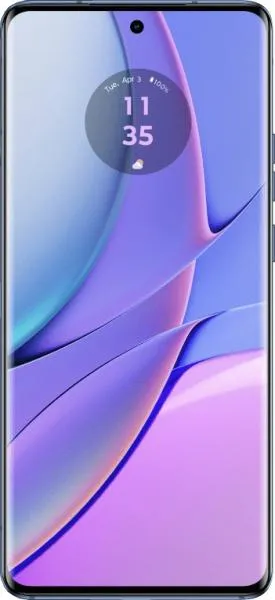
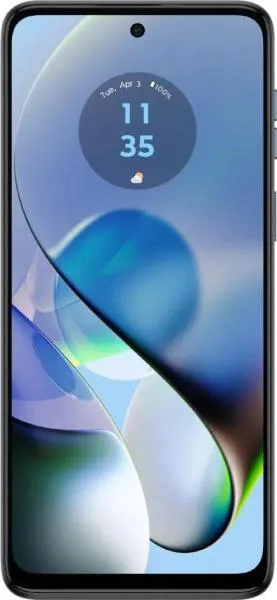
| Dimensions (mm) | 158.4 x 72 x 7.6 | 161.6 x 73.8 x 8 | Edge 40 is slightly smaller and thinner. G54 might feel slightly bulkier in hand. |
| Weight (g) | 167 | 177 | Edge 40 is noticeably lighter, improving one-handed use and portability. |
| Build | Material specifications missing for both, limiting comparison. | ||
| Display | |||
| Display Type | P-OLED | IPS LCD | Edge 40's P-OLED offers deeper blacks, richer colors, and potentially better power efficiency. G54's IPS LCD might offer better outdoor visibility. |
| Refresh Rate | 144Hz | 120Hz | Edge 40 provides smoother animations and scrolling, especially noticeable in gaming and fast-paced UI interactions. |
| Peak Brightness | 1200 nits | Not specified | Edge 40's higher peak brightness ensures better visibility in direct sunlight. Lack of G54's peak brightness data hinders full comparison. |
| Resolution | 1080 x 2400 | 1080 x 2400 | Identical resolution results in similar sharpness on both devices. |
| Performance | |||
| Chipset | Mediatek Dimensity 8020 | Mediatek Dimensity 7020 | Edge 40's Dimensity 8020 likely offers better performance in demanding tasks and gaming due to its higher clock speeds and more powerful GPU. |
| CPU | Octa-core (4x2.6 GHz Cortex-A78 & 4x2.0 GHz Cortex-A55) | Octa-core (2x2.2 GHz Cortex-A78 & 6x2.0 GHz Cortex-A55) | Edge 40's CPU configuration suggests superior multi-core performance due to more high-performance cores. |
| GPU | Mali-G77 MC9 | IMG BXM-8-256 | Edge 40's GPU is generally considered more powerful, leading to better gaming and graphics performance. |
| RAM | 8GB | 8GB | Identical RAM capacity should provide similar multitasking capabilities. |
| Camera | |||
| Main Camera | 50MP, f/1.4, OIS | 50MP, f/1.8, OIS | Edge 40's wider aperture (f/1.4) allows for better low-light performance and shallower depth of field. |
| Ultrawide | 13MP, f/2.2 | Not specified | Edge 40 offers an ultrawide camera, expanding photographic versatility. The lack of detailed specifications for the G54's secondary camera limits comparison. |
| Selfie | 32MP, f/2.4 | 16MP, f/2.4 | Edge 40's higher resolution selfie camera potentially captures more detail. |
| Video | 4K@30fps with HDR, EIS up to 720p@960fps | 1080p@60fps | Edge 40 offers 4K video recording and higher slow-motion capabilities. |
| Battery | |||
| Capacity | 4400 mAh | 5000 mAh | G54 boasts a significantly larger battery, likely resulting in longer battery life. |
| Charging Speed | Not specified | Not specified | Charging speed comparison impossible due to missing specifications. |
2. Key Differences Analysis
Motorola Edge 40 Advantages:
- Superior Display: P-OLED with 144Hz refresh rate offers a smoother, more vibrant visual experience.
- Faster Performance: More powerful chipset and GPU deliver better gaming and overall performance.
- Better Low-Light Camera: Wider aperture on the main camera allows for improved low-light photography.
- More Versatile Camera System: Inclusion of an ultrawide lens and higher resolution selfie camera.
- Lighter and Slimmer Design: Enhanced portability and one-handed usability.
Motorola Moto G54 Advantages:
- Larger Battery: Potentially significantly longer battery life.
- Potentially Lower Price: Depending on specific configurations and market conditions.
3. User Profiles & Recommendations
Motorola Edge 40: Ideal for users who prioritize performance, display quality, camera versatility, and a premium feel. Suitable for gaming, content consumption, and mobile photography enthusiasts.
Motorola Moto G54: Best suited for users who prioritize battery life and affordability. Suitable for general everyday use, social media, and light gaming.
4. Decision Framework
Key Questions for Buyers:
- What is your budget? The Edge 40 is likely more expensive.
- What are your primary smartphone usage patterns? (e.g., gaming, photography, social media)
- How important is battery life versus performance and display quality?
My Choice: Motorola Edge 40
While the Moto G54 offers a larger battery, the Edge 40's superior display, performance, and camera system are more compelling to me. I prioritize a smooth and responsive user experience, excellent visuals, and versatile photography capabilities. The lighter and slimmer design is also a plus. I am willing to compromise slightly on battery life for these advantages. The 144Hz refresh rate and P-OLED display alone make a significant difference in daily usage. Furthermore, the faster processor and GPU future-proof the device better for demanding applications and games.
