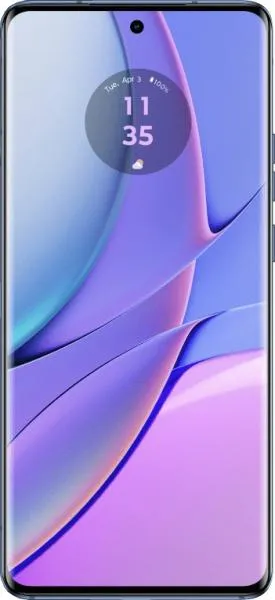
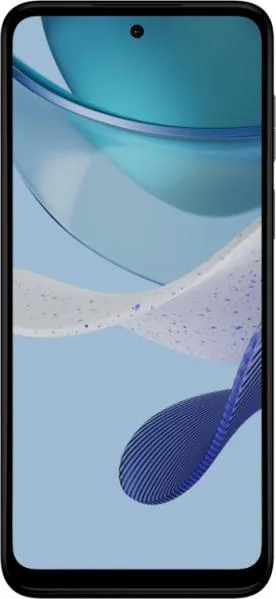
1. Specifications Comparison
| Feature | Motorola Edge 40 | Motorola Moto G (2023) | Practical Impact |
|---|---|---|---|
| Design | |||
| Dimensions (mm) | 158.4 x 72 x 7.6 | 164 x 75 x 8.4 | Edge 40 is noticeably thinner and slightly smaller overall, making it more pocketable and comfortable to hold. |
| Weight (g) | 167 | 189 | Edge 40 is significantly lighter, reducing hand fatigue during extended use. |
| Build | Missing | Missing | Build materials impact durability and premium feel; information lacking for both. |
| Display | |||
| Display Type | P-OLED | IPS LCD | Edge 40's P-OLED offers deeper blacks, more vibrant colors, and potentially better power efficiency. |
| Display Size (inches) | 6.55 | 6.5 | Negligible size difference. |
| Resolution | 1080 x 2400 | 720 x 1600 | Edge 40's significantly higher resolution provides sharper text, images, and videos. Moto G's 720p is noticeably less sharp. |
| Refresh Rate (Hz) | 144 | 120 | Edge 40's higher refresh rate results in smoother scrolling and animations, though the difference between 120Hz and 144Hz is less perceptible than the jump from 60Hz to 120Hz. |
| Peak Brightness (nits) | 1200 | Missing | Edge 40's high peak brightness ensures better visibility in direct sunlight. Moto G's missing spec makes comparison impossible. |
| Performance | |||
| Chipset | Mediatek Dimensity 8020 (6 nm) | Qualcomm Snapdragon 480+ 5G (8 nm) | Dimensity 8020 generally offers superior performance in demanding tasks and gaming compared to the Snapdragon 480+. |
| CPU | Octa-core (4x2.6 GHz Cortex-A78 & 4x2.0 GHz Cortex-A55) | Octa-core (2x2.2 GHz Kryo 460 & 6x1.8 GHz Kryo 460) | Edge 40's CPU configuration suggests faster processing speeds and better multi-tasking capabilities. |
| GPU | Mali-G77 MC9 | Adreno 619 | Edge 40's GPU should deliver significantly better gaming performance. |
| RAM (GB) | 8 | 4 | Edge 40's larger RAM enables smoother multitasking and better handling of demanding applications. Moto G's 4GB might lead to occasional slowdowns. |
| Camera | |||
| Main Camera (MP) | 50 | 48 | Megapixel count alone doesn't determine image quality; other factors like sensor size and processing are crucial. However, on paper, Edge 40 has a slight advantage. |
| Ultrawide/Macro | 13MP Ultrawide + Macro | 2MP Macro | Edge 40 offers a dedicated ultrawide lens for wider shots, which is more versatile than the Moto G's basic macro lens. |
| Video Recording | Up to 4K@30fps | Up to 1080p@30fps | Edge 40 supports higher resolution video recording. |
| Battery | |||
| Capacity (mAh) | 4400 | 5000 | Moto G has a larger battery capacity, potentially offering longer battery life. However, real-world usage depends on other factors like display and processor efficiency. |
| Charging Speed | Missing | Missing | Charging speed significantly impacts usability; lack of information hinders comparison. |
2. Key Differences Analysis
Motorola Edge 40 Advantages:
- Superior Display: Higher resolution, refresh rate, and OLED technology deliver a significantly better visual experience.
- Stronger Performance: More powerful chipset, CPU, and GPU for smoother multitasking and gaming.
- More Versatile Camera: Dedicated ultrawide lens and higher resolution video recording.
- Sleeker Design: Thinner and lighter, making it more comfortable to hold and carry.
Motorola Moto G (2023) Advantages:
- Larger Battery: Potentially longer battery life, although real-world performance depends on other factors.
- Lower Price: Significantly more affordable.
Trade-offs:
- The Edge 40 prioritizes performance and display quality over battery capacity and price.
- The Moto G prioritizes affordability and battery life over performance and display quality.
3. User Profiles & Recommendations
Motorola Edge 40: Users who value a premium display, smooth performance, and a capable camera, and are willing to pay a higher price. Ideal for:
- Mobile Gamers: High refresh rate and powerful GPU provide a smooth gaming experience.
- Content Consumers: Vibrant OLED display enhances video watching and photo viewing.
- Power Users: Handles multitasking and demanding applications with ease.
Motorola Moto G (2023): Budget-conscious users who prioritize battery life and basic functionality. Ideal for:
- Casual Users: Primarily use their phone for calling, texting, social media, and light web browsing.
- Students: Affordable option with decent battery life for everyday use.
- Seniors: Simple interface and essential features.
4. Decision Framework
Key Questions:
- What is your budget? The Moto G is significantly cheaper.
- What are your primary phone usage patterns? Gamers and power users will appreciate the Edge 40, while casual users might find the Moto G sufficient.
- How important is display quality and performance to you? The Edge 40 significantly outperforms the Moto G in these areas.
Scenario-Based Recommendations:
- Limited Budget: Moto G
- Prioritize Performance and Display: Edge 40
- Long Battery Life is Crucial: Moto G (with the caveat that real-world battery life is untested)
My Choice: Motorola Edge 40
While the Moto G (2023) offers excellent value for its price, the Motorola Edge 40 is the clear winner for me. The significantly superior display, performance, and camera system outweigh the Moto G's larger battery and lower price. The smoother user experience offered by the 144Hz P-OLED display and the powerful Dimensity 8020 chipset are crucial for my usage, which involves gaming, content consumption, and multitasking. I am willing to pay the premium for a device that provides a more enjoyable and responsive overall experience. The slimmer and lighter design of the Edge 40 is also a significant factor in my decision.
