1. Specifications Comparison
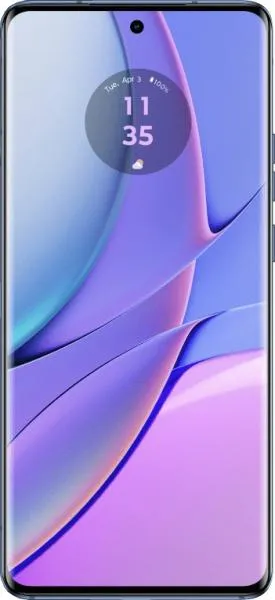
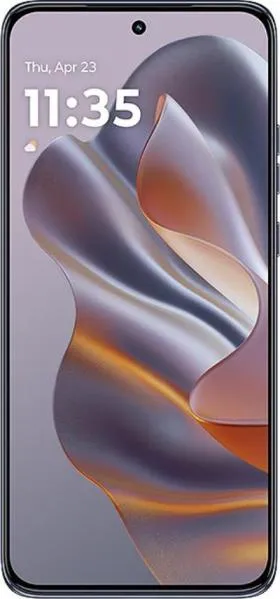
| Feature | Motorola Edge 40 | Motorola Edge 50 Neo | Practical Impact |
|---|---|---|---|
| Design | |||
| Dimensions (mm) | 158.4 x 72 x 7.6 | 154.1 x 71.2 x 8.1 | Edge 40 is slightly taller and thinner, Edge 50 Neo is slightly thicker. Negligible difference in hand feel for most users. |
| Weight (g) | 167 | 171 | Minimal weight difference, unlikely to be noticeable in daily use. |
| Display | |||
| Display Type | P-OLED | LTPO P-OLED | Both offer excellent color and contrast. LTPO on Edge 50 Neo allows for dynamic refresh rate, potentially saving battery. |
| Display Size (inches) | 6.55 | 6.4 | Negligible size difference. |
| Resolution | 1080 x 2400 | 1256 x 2760 | Edge 50 Neo has a sharper display due to higher resolution and smaller size resulting in higher pixel density. |
| Refresh Rate (Hz) | 144 | 120 | Edge 40 offers smoother scrolling and animations, especially noticeable in gaming. However, Edge 50 Neo's LTPO dynamically adjusts, balancing smoothness and battery life. |
| Peak Brightness (nits) | 1200 | 3000 | Edge 50 Neo offers significantly better outdoor visibility. |
| Performance | |||
| Chipset | Mediatek Dimensity 8020 (6 nm) | Mediatek Dimensity 7300 (4 nm) | Both offer solid mid-range performance. The 4nm process in the Edge 50 Neo suggests better power efficiency. |
| CPU | Octa-core (4x2.6 GHz Cortex-A78 & 4x2.0 GHz Cortex-A55) | Octa-core (4x2.5 GHz Cortex-A78 & 4x2.0 GHz Cortex-A55) | Very similar CPU configurations. Performance differences likely to be minor in everyday tasks. |
| GPU | Mali-G77 MC9 | Mali-G615 MC2 | Edge 40 likely has a slight advantage in graphics performance based on GPU model. |
| RAM | 8GB | 8GB/12GB | Edge 50 Neo offers a 12GB RAM option, beneficial for heavy multitasking and demanding applications. |
| Camera | |||
| Main Camera | 50MP, f/1.4, OIS | 50MP, f/1.8, No OIS | Edge 40's wider aperture (f/1.4) and OIS should result in better low-light performance and sharper images. |
| Additional Cameras | 13MP ultrawide | 13MP ultrawide, 10MP telephoto | Edge 50 Neo offers a dedicated telephoto lens for optical zoom, adding versatility. |
| Battery | |||
| Capacity (mAh) | 4400 | 4310 | Minimal difference in battery capacity. Real-world battery life will depend more on software optimization and usage patterns. |
2. Key Differences Analysis
Motorola Edge 40 Advantages:
- Smoother Display: The 144Hz refresh rate provides a noticeably smoother user experience.
- Better Low-Light Camera: Wider aperture and OIS contribute to superior image quality in low light.
- Potentially Faster GPU: The Mali-G77 MC9 might offer a slight edge in gaming and graphics-intensive tasks.
Motorola Edge 50 Neo Advantages:
- Sharper Display: Higher resolution and pixel density.
- Brighter Display: Significantly brighter for better outdoor visibility.
- Battery Efficient Display: LTPO technology dynamically adjusts refresh rate to conserve battery.
- Telephoto Lens: Offers optical zoom for more versatile photography.
- Larger RAM Option: 12GB RAM configuration for power users.
- More recent Android version: Starts with Android 14 and is promised updates to Android 19.
3. User Profiles & Recommendations
Motorola Edge 40: Ideal for users who prioritize a smooth display experience, good low-light camera performance, and potentially slightly better gaming performance. Suitable for mobile gamers, content consumers, and those sensitive to display smoothness.
Motorola Edge 50 Neo: Suitable for users who value a sharp, bright display, battery life, and camera versatility with optical zoom. Good for users who frequently use their phone outdoors, enjoy photography, and need strong multitasking capabilities.
4. Decision Framework
Key Questions for Buyers:
- How important is display smoothness vs. battery life? A 144Hz display is smoother but can consume more power. LTPO balances both.
- Do you prioritize low-light photography or optical zoom? Consider your typical photography subjects and needs.
- What is your budget and RAM requirement? The Edge 50 Neo offers a 12GB RAM option, but may be more expensive.
My Choice: Motorola Edge 50 Neo
While the Motorola Edge 40 boasts a smoother display and potentially better low-light camera performance, the Motorola Edge 50 Neo offers a more compelling overall package for me. The combination of a sharper and brighter display with LTPO technology, a telephoto lens for optical zoom, the option for 12GB of RAM, and longer software support outweighs the benefits of the Edge 40. The Edge 50 Neo's superior display for outdoor use, enhanced camera versatility, and potential for better battery life align better with my personal priorities. The newer Android version and the promise of longer support is also very appealing. While I appreciate a smooth display, the dynamic refresh rate of the LTPO panel in the Edge 50 Neo strikes a good balance between smoothness and battery efficiency.
