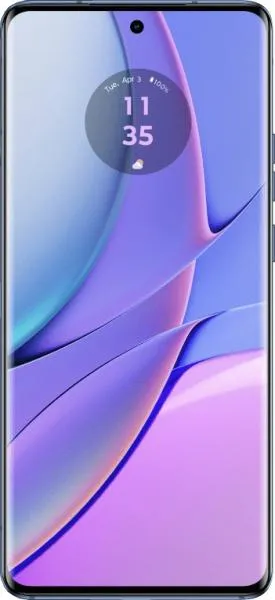
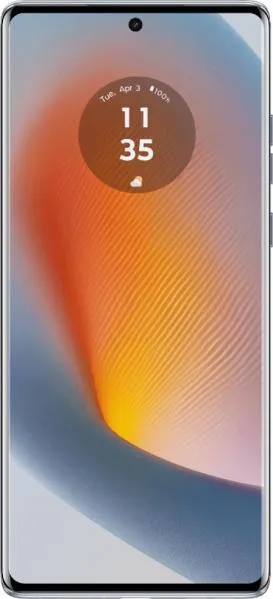
1. Specifications Comparison
| Feature | Motorola Edge 40 | Motorola Edge 50 Fusion | Practical Impact |
|---|---|---|---|
| Design | |||
| Dimensions (mm) | 158.4 x 72 x 7.6 | 161.9 x 73.1 x 7.9 | Edge 40 is noticeably smaller and thinner, making it more pocketable and easier to handle one-handed. |
| Weight (g) | 167 | 174.9 | The Edge 40 is lighter, further enhancing one-handed usability and reducing fatigue during extended use. |
| Display | |||
| Size (inches) | 6.55 | 6.7 | Edge 50 Fusion offers a slightly larger screen for more immersive media consumption. |
| Resolution (pixels) | 1080 x 2400 | 1080 x 2400 | Both have the same sharp resolution, suitable for everyday use. |
| Panel Type | P-OLED | P-OLED | Both offer vibrant colors and deep blacks characteristic of OLED technology. |
| Refresh Rate (Hz) | 144 | 120/144 (Region Dependent) | Edge 40's higher refresh rate (in some regions for the 50 Fusion) results in smoother animations and scrolling, benefiting gaming and UI responsiveness. The Edge 50 Fusion's refresh rate is region dependent, potentially impacting user experience. |
| Peak Brightness (nits) | 1200 | 1600 | Edge 50 Fusion's significantly higher peak brightness improves outdoor visibility in direct sunlight. |
| Performance | |||
| Chipset | Mediatek Dimensity 8020 (6 nm) | Qualcomm Snapdragon 7s Gen 2 (4 nm) | Both offer solid mid-range performance. Snapdragon 7s Gen 2 is generally considered slightly more efficient due to the 4nm process. Real-world performance differences might be minimal for average users. |
| CPU | Octa-core (4x2.6 GHz Cortex-A78 & 4x2.0 GHz Cortex-A55) | Octa-core (4x2.40 GHz Cortex-A78 & 4x1.95 GHz Cortex-A55) | Slight clock speed advantage for Edge 40 in the performance cores. |
| GPU | Mali-G77 MC9 | Adreno 710 | Adreno 710 generally offers better gaming performance and compatibility. |
| RAM (GB) | 8 | 8 | Both have sufficient RAM for multitasking and smooth operation. |
| Camera | |||
| Main Camera (MP) | 50 | 50 | Comparable resolution, but different sensors (OmniVision vs. Sony). Image quality comparisons would require real-world testing. |
| Ultrawide (MP) | 13 | 13 | Similar ultrawide cameras. |
| Selfie (MP) | 32 | 32 | Similar selfie cameras. |
| Battery | |||
| Capacity (mAh) | 4400 | 5000 | Edge 50 Fusion boasts a significantly larger battery, potentially translating to longer battery life. |
2. Key Differences Analysis
Motorola Edge 40 Advantages:
- More Compact and Lightweight: Significantly easier to handle and carry.
- Smoother Display: Higher refresh rate provides a more fluid user experience.
Motorola Edge 50 Fusion Advantages:
- Larger Battery: Potentially much longer battery life.
- Brighter Display: Better visibility in direct sunlight.
- Slightly Better GPU: Potentially smoother gaming performance.
- Newer OS with Longer Support: Starts with Android 14 and promises updates to 17, guaranteeing longer software support compared to the Edge 40.
3. User Profiles & Recommendations
Motorola Edge 40: Ideal for users prioritizing one-handed usability, portability, and a smooth display experience. Excellent for web browsing, social media, and light gaming.
Motorola Edge 50 Fusion: Suitable for users who value long battery life, bright outdoor visibility, and potentially better gaming performance. Good for media consumption, productivity, and moderate gaming.
4. Decision Framework
Key Questions for Buyers:
- How important is portability and one-handed use?
- How heavily do you rely on your phone throughout the day? (Battery life consideration)
- Is gaming a priority? If yes, leaning towards Adreno 710 GPU makes more sense.
Scenario-Based Recommendations:
- Commuter with limited pocket space: Edge 40.
- Heavy user needing all-day battery life: Edge 50 Fusion.
- Mobile gamer: Edge 50 Fusion.
My Choice: Motorola Edge 50 Fusion
While I appreciate the compact form factor of the Edge 40, the significantly larger battery and brighter display of the Edge 50 Fusion are more compelling for my usage. The longer software support provided by the newer Android version is also a major factor. The slightly better GPU in the 50 Fusion may also provide a better experience for casual gaming. While the size difference is noticeable, I'm willing to compromise slightly on portability for the benefits offered by the Edge 50 Fusion. The potential for better gaming performance due to the Adreno GPU is also a plus.
