1. Specifications Comparison
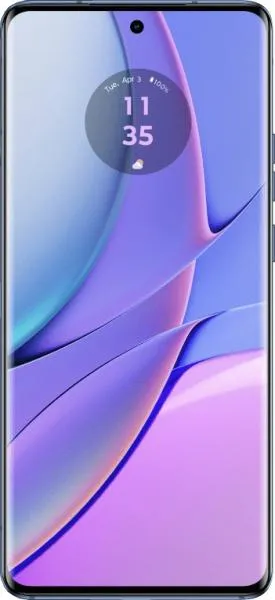
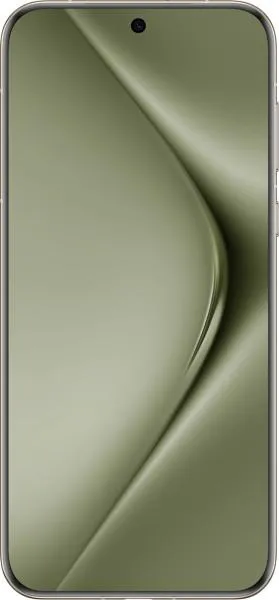
| Feature | Motorola Edge 40 | Huawei Pura 70 Ultra | Practical Impact |
|---|---|---|---|
| Design | |||
| Dimensions (mm) | 158.4 x 72 x 7.6 | 162.6 x 75.1 x 8.4 | The Motorola is noticeably smaller and thinner, making it more pocketable and easier to handle. |
| Weight (g) | 167 | 226 | Significant weight difference; Motorola is much lighter and less fatiguing for extended use. |
| Display | |||
| Display Type | P-OLED | LTPO OLED | Both offer excellent contrast and deep blacks. LTPO on the Huawei allows for dynamic refresh rate adjustment, saving battery. |
| Display Size (inches) | 6.55 | 6.8 | Huawei offers a larger screen for more immersive media consumption but impacts one-handed usability. |
| Refresh Rate (Hz) | 144 | 120 | Motorola's higher refresh rate provides smoother animations and scrolling, especially noticeable in gaming. |
| Resolution | 1080 x 2400 | 1260 x 2844 | Huawei has a sharper display due to higher resolution, but the difference might not be noticeable in everyday use. |
| Peak Brightness (nits) | 1200 | 2500 | Huawei's significantly higher peak brightness ensures better visibility in direct sunlight. |
| Performance | |||
| Chipset | Mediatek Dimensity 8020 (6 nm) | Kirin 9010 (7 nm) | Difficult to compare directly without benchmarks, but both should offer flagship-level performance. Kirin 9010 is likely more powerful but could be regionally limited. |
| CPU | Octa-core (4x2.6 GHz Cortex-A78 & 4x2.0 GHz Cortex-A55) | Octa-core (1x2.3 GHz Taishan Big & 3x2.18 GHz Taishan Mid & 4x1.55 GHz Cortex-A510) | Specific core configurations make direct comparison challenging. Both are optimized for a blend of performance and efficiency. |
| RAM (GB) | 8 | 16 | Huawei offers double the RAM, enabling better multitasking and keeping more apps in memory. |
| Storage (GB) | 256 | 1000 | Huawei offers significantly more storage for apps, photos, and videos. |
| Camera | |||
| Main Camera (MP) | 50 | 50 | Both have high-resolution main sensors. Huawei boasts a larger sensor (1") for potentially better low-light performance and depth of field. |
| Ultrawide (MP) | 13 | 40 | Huawei's ultrawide offers significantly higher resolution. |
| Telephoto (MP) | N/A | 50 | Huawei includes a dedicated telephoto lens for optical zoom, missing on the Motorola. |
| Battery | |||
| Capacity (mAh) | 4400 | 5200 | Huawei has a larger battery capacity, likely resulting in longer battery life. |
2. Key Differences Analysis
Motorola Edge 40 Advantages:
- More Compact and Lighter: Significantly easier to handle and carry.
- Higher Refresh Rate Display: Smoother user experience, especially for gaming.
- Lower Price: Offers excellent value for its specifications.
Huawei Pura 70 Ultra Advantages:
- Larger, Sharper Display: More immersive media consumption.
- More Powerful Processor and More RAM: Better for demanding tasks and heavy multitasking.
- Significantly Larger Storage: Accommodates large amounts of data.
- Superior Camera System: Larger main sensor, higher resolution ultrawide, dedicated telephoto lens.
- Larger Battery: Potentially longer battery life.
3. User Profiles & Recommendations
Motorola Edge 40:
- Ideal User: Users seeking a compact, lightweight phone with a smooth display and good performance at a mid-range price.
- Use Cases: Everyday tasks, web browsing, social media, casual gaming, photography in good lighting conditions.
Huawei Pura 70 Ultra:
- Ideal User: Power users, photographers, and videographers who prioritize performance, a large and sharp display, ample storage, and a top-tier camera system. Willing to pay a premium price.
- Use Cases: Demanding applications, heavy multitasking, professional photography and videography, extended battery life, immersive media consumption.
4. Decision Framework
Key Questions for Buyers:
- Budget: The Huawei is significantly more expensive. Is the premium justifiable for your needs?
- Prioritized Features: Do you value portability and a smooth display or a larger screen, top-tier camera, and maximum performance?
- Operating System Preference: Consider potential OS limitations with the Huawei (information not provided).
Scenario-Based Recommendations:
- Limited Budget, Everyday Use: Motorola Edge 40
- Power User, Demanding Tasks: Huawei Pura 70 Ultra
- Photography Enthusiast: Huawei Pura 70 Ultra
My Choice: Huawei Pura 70 Ultra
While the Motorola Edge 40 offers excellent value, I would choose the Huawei Pura 70 Ultra. The superior camera system with its large sensor, dedicated telephoto lens, and high-resolution ultrawide is a major draw for me. The larger, sharper LTPO display, combined with the more powerful processor and ample RAM and storage, promises a truly premium experience. I am willing to compromise on portability and pay the higher price for these advantages. The lack of detailed OS information is a concern, but assuming it's a fully functional OS, the overall package of the Huawei is more compelling for my needs.
