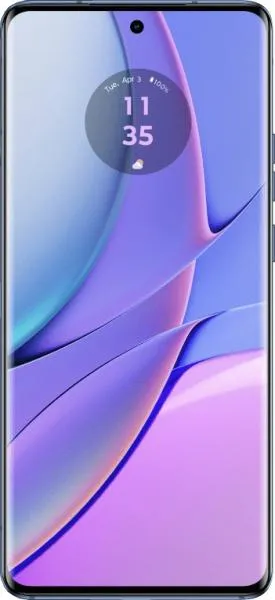
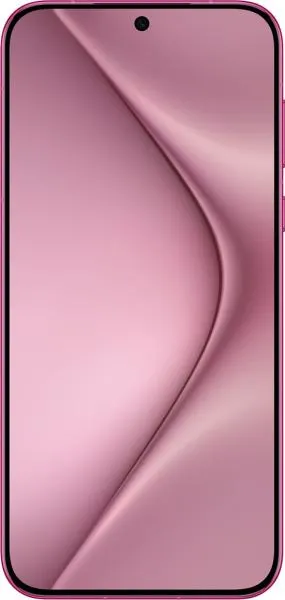
1. Specifications Comparison
| Feature | Motorola Edge 40 | Huawei Pura 70 | Practical Impact |
|---|---|---|---|
| Design | |||
| Dimensions (mm) | 158.4 x 72 x 7.6 | 157.6 x 74.3 x 8 | Motorola is slightly thinner and lighter. |
| Weight (g) | 167 | 207 | Motorola is noticeably lighter, improving one-handed use and portability. |
| Display | |||
| Display Type | P-OLED | LTPO OLED | Both offer vibrant colors and deep blacks. LTPO allows for dynamic refresh rate, potentially saving battery. |
| Refresh Rate (Hz) | 144 | 120 | Motorola's higher refresh rate provides smoother scrolling and animations, beneficial for gaming and fast-paced content. |
| Display Size (inches) | 6.55 | 6.6 | Negligible difference in screen real estate. |
| Resolution | 1080 x 2400 | 1256 x 2760 | Huawei offers a sharper display with higher pixel density, resulting in crisper text and images. |
| Peak Brightness (nits) | 1200 | 2500 | Huawei's significantly higher peak brightness ensures better visibility outdoors in direct sunlight. |
| Performance | |||
| Chipset | Mediatek Dimensity 8020 | Kirin 9000S1 | Performance comparison difficult without benchmark data. Kirin is newer but real-world performance depends on optimization. |
| CPU | Octa-core (4x2.6 GHz Cortex-A78 & 4x2.0 GHz Cortex-A55) | Octa-core | Specific core configuration missing for Huawei, limiting detailed comparison. |
| GPU | Mali-G77 MC9 | Maleoon 910 | Performance comparison difficult without benchmark data. |
| RAM (GB) | 8 | 12 | Huawei offers more RAM for better multitasking and app switching. |
| OS | Android 13 | Unspecified | Significant unknown. OS heavily impacts user experience, app availability, and updates. |
| Camera | |||
| Main Camera (MP) | 50 | 50 | Both have high-resolution main sensors. |
| Aperture (Main) | f/1.4 | f/1.4 | Identical aperture suggests similar low-light performance potential. |
| Ultrawide (MP) | 13 | 13 | Similar ultrawide resolution. |
| Telephoto (MP) | N/A | 12 | Huawei offers a dedicated telephoto lens for optical zoom, lacking in Motorola. |
| Video Capabilities | Up to 4K@30fps with HDR, EIS | Unspecified | Missing video capabilities for Huawei limit comparison. |
| Battery | |||
| Capacity (mAh) | 4400 | 4900 | Huawei offers a larger battery capacity, likely resulting in longer battery life. |
2. Key Differences Analysis
Motorola Edge 40 Advantages:
- Lighter and thinner: Enhanced portability and one-handed usability.
- Higher refresh rate display: Smoother visual experience for gaming and scrolling.
- Potentially Lower Price: Given the "medium price" range and older release date, likely more affordable.
Huawei Pura 70 Advantages:
- Sharper and brighter display: Superior visual quality, especially outdoors.
- More RAM: Better multitasking and smoother performance with demanding applications.
- Larger battery: Potentially longer battery life.
- Dedicated telephoto lens: Optical zoom capability for versatile photography.
- USB 3.1 with DisplayPort: Faster data transfer and potential for video output.
3. User Profiles & Recommendations
Motorola Edge 40: Users prioritizing portability, smooth display, and affordability over absolute peak performance and camera versatility. Ideal for casual gaming, social media, and everyday tasks.
Huawei Pura 70: Users demanding a premium display, strong performance (assuming Kirin performance lives up to expectations), versatile camera system with optical zoom, and longer battery life. Suitable for power users, photography enthusiasts, and those consuming media on their phones. The lack of OS information is a significant concern.
4. Decision Framework
Key Questions for Buyers:
- What is your budget? The Motorola is likely more affordable.
- What are your primary use cases? (Gaming, photography, media consumption, general use).
- How important is software and long-term support? The unknown OS on the Huawei is a major factor.
Scenario-Based Recommendations:
- Tight budget, casual user: Motorola Edge 40
- Power user, photographer, no OS concerns: Huawei Pura 70
My Choice: Motorola Edge 40
While the Huawei Pura 70 boasts impressive hardware on paper, the lack of information about the operating system is a deal-breaker. Not knowing the OS makes it impossible to assess app availability, security updates, and overall user experience. A powerful phone with a crippled or outdated OS is useless.
The Motorola Edge 40, with its confirmed Android OS, lighter weight, high refresh rate display, and likely lower price, offers a more reliable and predictable user experience. It fulfills the needs of most users without the significant unknown presented by the Huawei. While the Huawei might have a better camera and screen, these advantages are overshadowed by the OS uncertainty. I prioritize a guaranteed good experience over potential benefits hindered by a massive unknown.
