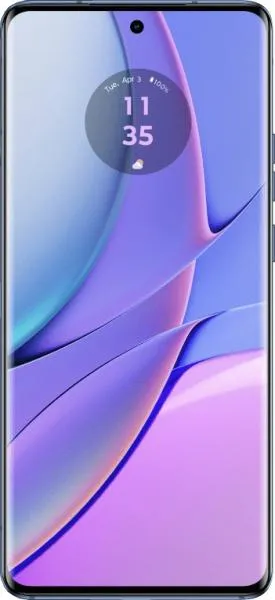
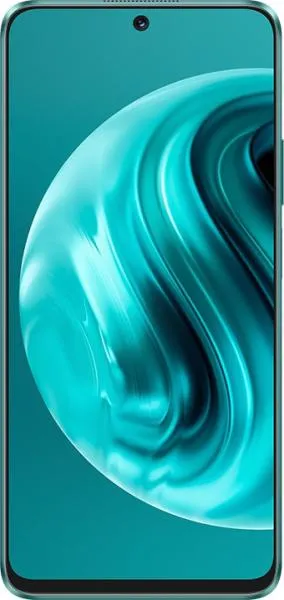
1. Specifications Comparison
| Feature | Motorola Edge 40 | Huawei nova 12i | Practical Impact |
|---|---|---|---|
| Design | |||
| Dimensions (mm) | 158.4 x 72 x 7.6 | 163.3 x 74.7 x 8.4 | Edge 40 is noticeably thinner and slightly smaller, making it more pocketable and easier to handle. |
| Weight (g) | 167 | 199 | Edge 40 is significantly lighter, reducing hand fatigue during extended use. |
| Build | Missing | Missing | Build materials impact durability and premium feel; information is needed for accurate comparison. |
| Display | |||
| Type | P-OLED | IPS LCD | P-OLED offers deeper blacks, higher contrast, and potentially better power efficiency, resulting in a more vibrant viewing experience. |
| Size (inches) | 6.55 | 6.7 | Nova 12i has a slightly larger screen, providing more screen real estate for media consumption. |
| Resolution | 1080 x 2400 | 1080 x 2388 | Virtually identical resolutions; sharpness will be similar on both devices. |
| Refresh Rate (Hz) | 144 | 90 | Edge 40's 144Hz refresh rate delivers significantly smoother scrolling, animations, and gaming compared to the Nova 12i's 90Hz. |
| Peak Brightness (nits) | 1200 | Missing | Edge 40's higher peak brightness (1200 nits) ensures better visibility in direct sunlight. Missing data for Nova 12i hinders comparison. |
| Performance | |||
| Chipset | Mediatek Dimensity 8020 (6 nm) | Qualcomm Snapdragon 680 4G (6 nm) | Dimensity 8020 generally offers better performance in benchmarks and demanding tasks compared to the Snapdragon 680. |
| CPU | Octa-core (4x2.6 GHz Cortex-A78 & 4x2.0 GHz Cortex-A55) | Octa-core (4x2.4 GHz Cortex-A73 & 4x1.9 GHz Cortex-A53) | Edge 40's CPU configuration suggests superior performance, particularly in multi-core workloads. |
| GPU | Mali-G77 MC9 | Adreno 610 | Mali-G77 MC9 generally outperforms Adreno 610 in graphics-intensive tasks like gaming. |
| RAM (GB) | 8 | 8 | Both phones have the same RAM, enabling smooth multitasking. |
| Camera | |||
| Main Camera (MP) | 50 | 108 | Nova 12i boasts higher megapixel count, potentially capturing more detail; however, sensor size and other factors also impact image quality. |
| Ultrawide (MP) | 13 | Missing | Edge 40 offers ultrawide photography, expanding creative possibilities. |
| Video Recording | Up to 4K@30fps with HDR, EIS | Up to 1080p@30fps | Edge 40 supports higher resolution video recording (4K) and features Electronic Image Stabilization (EIS) for smoother footage. |
| Battery | |||
| Capacity (mAh) | 4400 | 5000 | Nova 12i has a larger battery, potentially offering longer battery life. |
| Charging Speed | Missing | Missing | Charging speed significantly impacts usability; information is needed for accurate comparison. |
2. Key Differences Analysis
Motorola Edge 40 Advantages:
- Superior Display: P-OLED with 144Hz refresh rate provides a significantly smoother and more visually appealing experience.
- Better Performance: Dimensity 8020 chipset and Mali-G77 MC9 GPU deliver faster processing and smoother graphics.
- More Compact Design: Thinner and lighter, offering better one-handed usability.
- Higher Quality Video Recording: 4K resolution with HDR and EIS.
Huawei nova 12i Advantages:
- Larger Battery: 5000mAh battery potentially lasts longer on a single charge.
- Higher Resolution Main Camera: 108MP sensor potentially captures more detail.
- Lower Price: Generally more affordable.
3. User Profiles & Recommendations
Motorola Edge 40: Ideal for users who prioritize a smooth and responsive display, strong performance for gaming or demanding tasks, and a premium feel. Suitable for mobile gamers, content creators, and those who value a compact design.
Huawei nova 12i: Suitable for budget-conscious users who prioritize long battery life and a large screen for media consumption. Good for casual users, social media enthusiasts, and those who primarily use their phone for basic tasks.
4. Decision Framework
Key Questions for Buyers:
- What is your budget? The Nova 12i is generally more affordable.
- What are your primary use cases? Gaming and demanding tasks favor the Edge 40, while basic usage and long battery life favor the Nova 12i.
- Which display characteristics are more important? Smoothness and vibrancy (Edge 40) or size and battery efficiency (Nova 12i)?
My Choice: Motorola Edge 40
While the Huawei Nova 12i offers a larger battery and higher megapixel main camera, the Motorola Edge 40 is the superior device overall. The significantly smoother 144Hz P-OLED display, more powerful processor, slimmer design, and higher quality video recording capabilities make it a more compelling choice. These features significantly enhance daily usage and provide a more premium experience. The slightly smaller battery is a reasonable trade-off for the performance and design benefits. The Edge 40's superior user experience justifies the price difference for me.
