1. Specifications Comparison
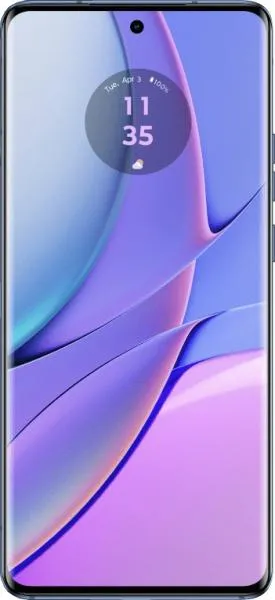
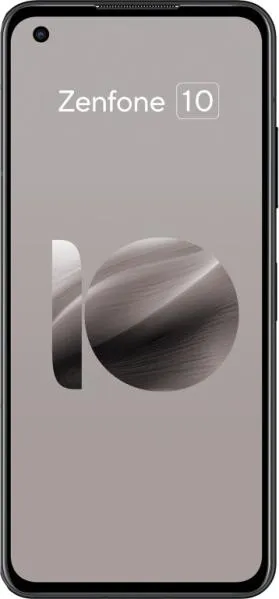
| Feature | Motorola Edge 40 | Asus Zenfone 10 | Practical Impact |
|---|---|---|---|
| Design | |||
| Dimensions (mm) | 158.4 x 72 x 7.6 | 146.5 x 68.1 x 9.4 | Zenfone 10 is significantly smaller and more pocketable, but slightly thicker. |
| Weight (g) | 167 | 172 | Negligible weight difference. |
| Build | Missing build materials information for both phones limits comparison. | ||
| Display | |||
| Size (inches) | 6.55 | 5.92 | Edge 40 offers a larger screen for media consumption; Zenfone 10 is better for one-handed use. |
| Resolution | 1080 x 2400 | 1080 x 2400 | Identical resolution, but Zenfone 10's smaller size results in a sharper image (445 vs 402 PPI). |
| Type | P-OLED | Super AMOLED | Both offer vibrant colors and deep blacks. Practical differences in real-world usage might be subtle. |
| Refresh Rate | 144Hz | 144Hz | Both offer smooth scrolling and gaming experiences. |
| Peak Brightness | 1200 nits | 1100 nits | Edge 40 might be slightly more visible in direct sunlight. |
| Performance | |||
| Chipset | Mediatek Dimensity 8020 (6 nm) | Qualcomm Snapdragon 8 Gen 2 (4 nm) | Snapdragon 8 Gen 2 is significantly more powerful, resulting in faster app loading, smoother multitasking, and better gaming performance. |
| CPU | Octa-core (4x2.6 GHz Cortex-A78 & 4x2.0 GHz Cortex-A55) | Octa-core (1x3.2 GHz Cortex-X3 & 2x2.8 GHz Cortex-A715 & 2x2.8 GHz Cortex-A710 & 3x2.0 GHz Cortex-A510) | Snapdragon 8 Gen 2's superior core configuration provides a significant performance advantage. |
| GPU | Mali-G77 MC9 | Adreno 740 | Adreno 740 offers considerably better graphics performance for demanding games and applications. |
| RAM | 8GB | 8GB/16GB | Zenfone 10 offers a 16GB RAM option for even more aggressive multitasking. |
| Camera | |||
| Main Camera | 50MP, f/1.4, OIS | 50MP, f/1.9, OIS, Gimbal | Both have 50MP sensors with OIS. Zenfone 10's gimbal stabilization could offer significantly smoother video recording. |
| Ultrawide | 13MP, f/2.2 | 13MP, f/2.2 | Similar ultrawide specifications. |
| Selfie | 32MP, f/2.4 | 32MP, f/2.5 | Minor aperture difference; real-world selfie quality differences might be minimal. |
| Video | 4K@30fps | 8K@24fps | Zenfone 10 offers higher resolution video recording. |
| Battery | |||
| Capacity | 4400 mAh | 4300 mAh | Negligible difference in battery capacity. Real-world battery life will depend on usage and software optimization. |
| Charging Speed | Not specified | Not specified | Unable to compare charging speeds without specific data. |
2. Key Differences Analysis
Motorola Edge 40 Advantages:
- Larger Display: Better for media consumption and multitasking.
- Potentially Brighter Display: Might be slightly more visible in direct sunlight.
- Slightly Lower Price: Offers good value for its features.
Asus Zenfone 10 Advantages:
- Significantly More Powerful: Snapdragon 8 Gen 2 offers a major performance advantage.
- Smaller and More Compact: Easier to handle and carry.
- Gimbal Stabilization: Potentially much smoother video recording.
- Higher Resolution Video Recording: 8K@24fps capability.
- Higher RAM Option: 16GB RAM available for power users.
Trade-offs:
- Edge 40: Less powerful processor, lower resolution video recording, lacks gimbal stabilization.
- Zenfone 10: Smaller display, potentially higher price.
3. User Profiles & Recommendations
Motorola Edge 40:
- Ideal User: Budget-conscious users who prioritize a large display for media consumption and casual gaming.
- Use Cases: Watching videos, browsing the web, social media, light gaming.
Asus Zenfone 10:
- Ideal User: Power users, mobile gamers, and content creators who demand top-tier performance and advanced camera features.
- Use Cases: Demanding games, video editing, content creation, multitasking.
4. Decision Framework
Key Questions:
- What is your budget? The Zenfone 10 is likely more expensive.
- What is your primary use case? Media consumption vs. demanding tasks/gaming.
- Do you prefer a large or small phone? One-handed usability vs. screen real estate.
Scenario-Based Recommendations:
- Limited Budget, Media Consumption Focus: Motorola Edge 40
- Power User, Gamer: Asus Zenfone 10
- Best Value for Performance: Asus Zenfone 10 (if the price difference is acceptable)
My Choice: Asus Zenfone 10
While the Motorola Edge 40 offers a larger display and potentially lower price, the Asus Zenfone 10's superior performance, compact size, gimbal stabilization, and higher resolution video recording make it the more compelling choice for me. The Snapdragon 8 Gen 2 is a significant upgrade that will provide a noticeably better user experience in the long run. I prioritize performance and portability, and the Zenfone 10 strikes a better balance between these factors. The gimbal stabilization is a unique feature that could greatly improve video quality, which is important to me. While the smaller screen is a trade-off, I find compact phones more convenient for everyday use. Ultimately, the Zenfone 10's advanced features and future-proof performance justify the potential price premium.
